
Back to blog
Article
Mobile Toilet Construction Requirements
Admin September 22, 2026
Mobile toilet construction must adhere to various requirements in terms of design and layout, construction preparation, installation safety, and compliance services, as detailed below:
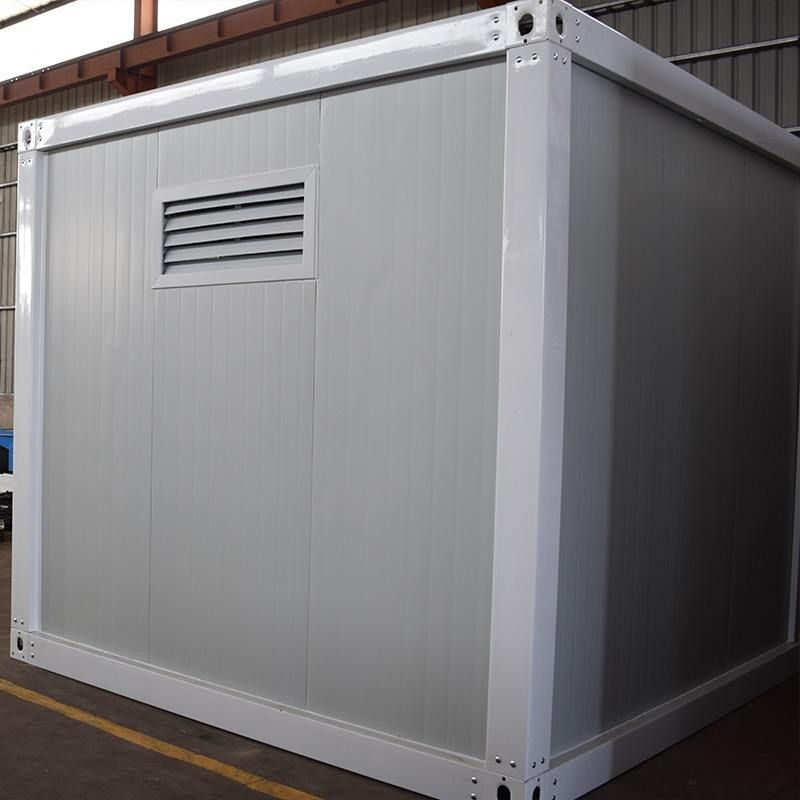
I. Design and Layout Principles
- Location Selection: Avoid water sources, drinking water points, drainage outlets, and easily polluted areas, ensuring unobstructed sewage discharge channels and no impact on surrounding functional zones. In the Shangrao region, additional requirements include selecting sites in accordance with local planning, avoiding low-lying flood-prone areas, maintaining a minimum distance of 3 meters from water sources, and staying away from pollution sources such as food processing areas and garbage dumping sites.
- Layout Density and Spacing: The number of toilet stalls should match the personnel scale, with compliant aisles and barrier-free paths established. In the Shangrao region, regulations specify that the ground must be hardened or paved with anti-slip tiles, with each toilet stall having an area of at least 1.5 square meters and aisle widths of at least 0.8 meters; one toilet stall should be provided for every 50 people, with a recommended male-to-female ratio of 1:1.5, and additional spare stalls should be available during peak hours.
- Structure and Wind/Earthquake Resistance: The toilet unit and supporting structure should feature rainproof, dustproof, and leak-proof designs, with waterproof and corrosion-resistant treatments applied to key parts. In the Shangrao region, the main body is required to have an anti-tipping design, with secure fixtures and a sunshade or canopy installed on top.
- Fire Prevention and Electrical Safety: Equipment rooms should have independent fire separation distances, with electrical equipment designed to be waterproof and shock-resistant, cables laid in compliance with regulations, and prohibited from being mixed with flammable materials. In the Shangrao region, it is emphasized that power access must comply with safety standards, and unauthorized wiring is strictly prohibited.
- Hygiene and Discharge: Use washable, corrosion-resistant materials, with sewage systems meeting environmental protection requirements and waste liquids and solids collected separately and regularly removed. In the Shangrao region, lessees are required to clean at least twice daily, equipped with disinfectants and in-stall facilities such as toilet paper, hand sanitizer, and hooks.
- Ventilation and Lighting: Ensure good natural or mechanical ventilation and sufficient lighting, with nighttime lighting and warning lights provided. In the Shangrao region, emergency lighting is required for nighttime use scenarios, with clear指示 signs set up around the area.
II. Pre-construction Preparation and Qualifications
- Prepare installation and maintenance plans and submit them for review by the client and supervision unit, possessing relevant qualifications and permits.
- Conduct safety and technical briefings before construction, clarifying responsible persons, work sequences, risk points, and emergency procedures.
- Perform trial runs before formal use to check the effectiveness of sewage discharge, water supply, drainage, lighting, ventilation, and flood control facilities.
- Formulate environmental protection and noise management measures, such as cleaning, garbage sorting, dust reduction, and noise reduction, to minimize impacts on the surrounding environment.
III. Construction and Installation Safety Points
- Clarify personnel qualifications, dress code requirements, and work permit procedures, prohibiting unrelated personnel from entering the site.
- Use compliant lifting, installation, and handling equipment, with tools uniformly identified and stored in their designated places.
- Set up clear access aisles and barriers, with visible signs at night to prevent falls or accidental entry into restricted areas.
- Workers must wear protective gear such as helmets, gloves, reflective vests, and masks, with special protective measures in place in waste disposal areas.
IV. Compliance and Service Guarantees
Equipment must comply with standards such as the "General Technical Conditions for Mobile Toilets," with product test reports provided for filing. The leasing agreement should clearly define the responsibilities of both parties, including equipment failure response times (recommended to be ≤2 hours) and emergency response plans.



