Mobile Toilet Confined Space
The operation in the restroom sewer well of a mobile toilet is considered confined-space work, but the entire mobile toilet itself generally does not fall under the category of confined space. Here is a detailed analysis:
Restroom Sewer Well as Confined Space
According to the definition of confined space, it must meet three key characteristics: first, the space is relatively or partially enclosed; second, personnel can enter to carry out operations; third, there are potential hazards. The restroom sewer well fully meets these conditions. It is typically located underground, enclosed by structures such as manhole covers, with only limited openings for personnel to enter and exit, making it a typical enclosed or partially enclosed space. During cleaning, maintenance, and other operations, personnel need to enter the well for work, and the well may contain toxic and harmful gases (such as hydrogen sulfide and methane), an oxygen-deficient environment, as well as sewage and waste, which are hazardous factors. Without effective protective measures, accidents such as poisoning, suffocation, and drowning can easily occur, so it is clearly identified as a confined-space work scenario.
Mobile Toilet as a Whole Generally Not a Confined Space
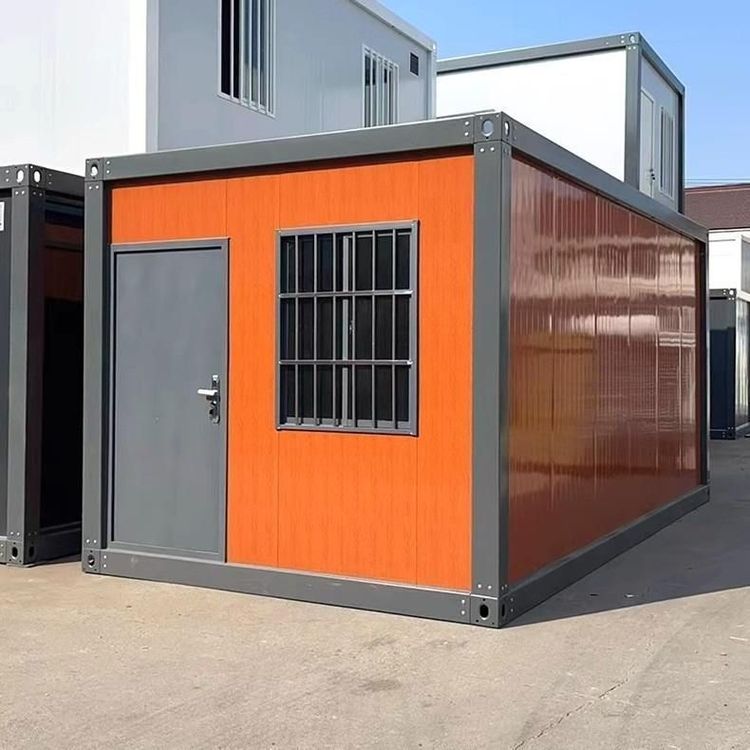
Confined space emphasizes the enclosed nature of the space, the necessity of personnel entry for operations, and the associated hazards. Although mobile toilets have a certain degree of enclosure, they are usually designed with ventilation openings such as doors and windows, allowing air circulation between the interior and the exterior. Personnel enter mainly to use sanitary facilities rather than to carry out potentially hazardous operations. The interior environment is relatively open and does not have the serious oxygen deficiency, accumulation of toxic gases, and other hazardous factors similar to those in sewer wells, so it does not strictly meet the definition of a confined space. However, if the internal environment of a mobile toilet changes due to malfunctions, design flaws, or special usage scenarios (such as long-term enclosure or storage of hazardous materials inside), it may pose hazards similar to those in confined spaces, but such situations are exceptional and not the general characteristic of mobile toilets.