
Mobile Toilet Configuration Details
The configurations of mobile toilets vary depending on their types and designs. Here are the common types and their configurations:
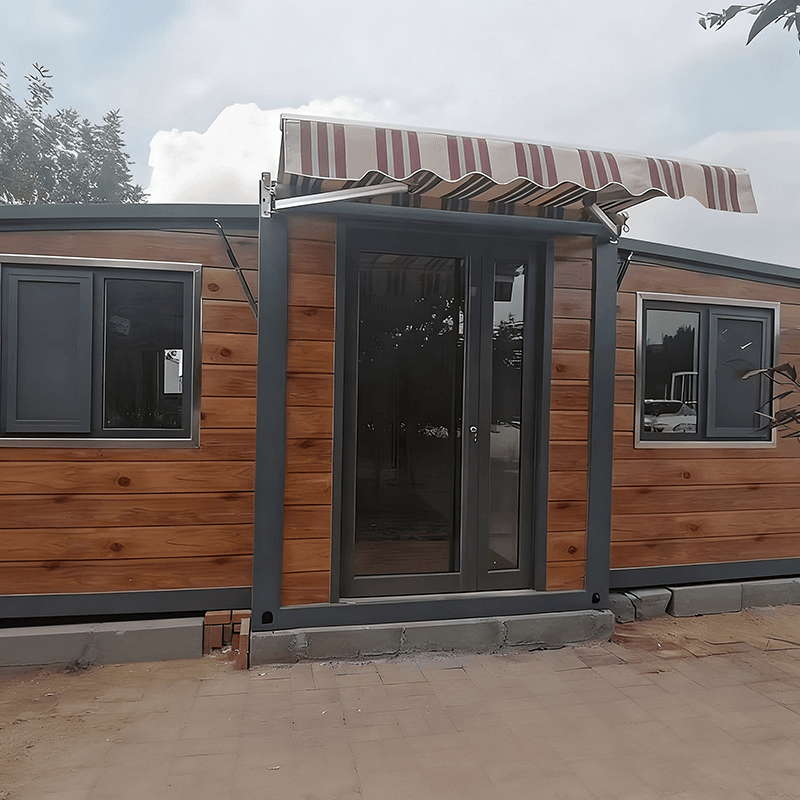
Rural Mobile Toilets
These toilets prioritize cost-effectiveness and practicality, with compact dimensions of 1.1 meters in length and width and 2.35 meters in height. Basic configurations include ventilation louvers (to ensure air circulation), spherical door locks (to ensure privacy and security), and internal facilities such as squat toilets (to meet basic toilet needs), flush tanks (to provide flushing functionality), handwashing basins (for easy cleaning), and exhaust fans (to accelerate the removal of odors). Their design focuses on balancing functionality and cost, making them suitable for rural or temporary locations.
Double-Squat Mobile Toilets
With dimensions of 2.5 meters by 2.6 meters and a height of 3 meters, these toilets offer more space and can accommodate two people simultaneously. Exterior wall materials are made of metal carved panels, combining aesthetics with durability. Core configurations include ceramic squat toilets (easy to clean and long-lasting), handwashing counters (equipped with faucets), exhaust fans (to enhance ventilation), PC ceilings (moisture-proof and mold-resistant), LED ceiling lights (to provide ample lighting), as well as toilet-specific doors (with locks) and occupied/unoccupied indicator signs (for easy management). These toilets are suitable for public places or areas with high foot traffic.
Container Restrooms (Mobile Toilets)
These toilets offer more comprehensive configurations, adhering to the principles of "practicality, durability, and ease of maintenance." They are divided into four parts: core sanitary fixtures, auxiliary functional facilities, temperature control systems, and extended configurations:
- Core sanitary fixtures: Direct-discharge or vacuum toilet systems (some high-end models use ceramic squat toilets or sit toilets with automatic flush sensors), stainless steel or ceramic handwashing basins (with hot and cold water mixing faucets), and sensor-flush urinals (for men or in large restrooms).
- Auxiliary functional facilities: LED moisture-proof lighting (to adapt to humid environments), powerful exhaust fans (for rapid air exchange), anti-fog mirrors (to prevent water vapor from blurring the view), stainless steel hooks (for hanging items), storage shelves (for storing miscellaneous items), toilet paper holders (for easy access), non-slip and waterproof PVC floors or epoxy flooring (to ensure safety), and integrated fiberglass or high-strength metal panel walls (durable and easy to clean).
- Temperature control systems: In cold regions, they are标配 with thermal insulation layers and electric heaters or warm air blowers (to maintain indoor temperature).
- Extended configurations: Accessibility features (such as widened doors, accessibility handrails, low-positioned handwashing counters, and specialized toilets for the disabled), smart systems (such as automatic soap dispensers, hand dryers, smart toilet seats, and remote monitoring systems), and sewage collection systems (when there are no sewage disposal conditions, integrated sewage collection tanks are used, equipped with liquid level alarms to prevent overflow).
The configuration differences among various types of mobile toilets reflect the diversity of their applicable scenarios. Users can choose the appropriate type based on their actual needs.
You may also like

Portable Toilet Eco-Friendly: MOQ, Samples & Quotation Guide
Read More
Top Portable Toilet Color Steel Manufacturers: How to Choose a Factory Partner
Read MorePortable Toilet Picture: Types, Features & Buying Tips
Read More