
Mobile Toilet Compartment Door
The specific materials or forms of mobile toilet compartment doors vary due to differences in product types and designs. Currently, there is no clearly defined unified standard in publicly available information, but reasonable inferences can be made by combining the types of conventional restroom doors with the characteristics of mobile toilets.
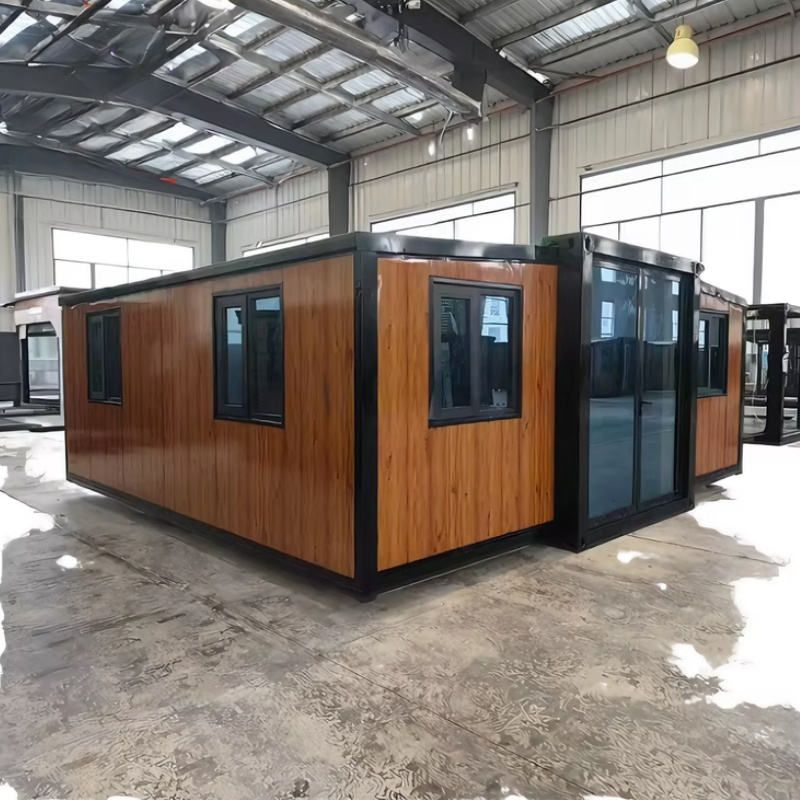
Common Design Directions for Mobile Toilet Compartment Doors
Material Speculation
- Metal Materials: Some cost-effective mobile toilets may use lightweight metals (such as aluminum alloy) as door frame materials, paired with plastic or composite panels as door panels. Aluminum alloy is corrosion-resistant and lightweight, suitable for outdoor or temporary use scenarios; plastic or composite panels can reduce manufacturing costs while meeting basic partition needs.
- Plastic Materials: Some simple mobile toilets may directly use high-density plastics (such as PVC) to make the entire door structure. This type of material is highly waterproof and easy to clean, but its durability may be slightly lower than that of metals, making it suitable for short-term or low-frequency use scenarios.
- Glass Materials: High-end or commercial mobile toilets may use tempered glass doors to enhance aesthetics and transparency. Glass doors are usually used in conjunction with metal frames, and explosion-proof treatment is required. They are suitable for places with high environmental requirements (such as scenic spots and exhibitions).
Form Speculation
- Swing Doors: Traditional swing door designs are commonly found in fixed restrooms. They may be less commonly used in mobile toilets due to space constraints, but some large mobile toilets (such as trailer-mounted ones) may retain this design for ease of maintenance and ventilation.
- Sliding/Folding Doors: To save space, mobile toilets are more likely to use sliding or folding door forms. Sliding doors open and close via sliding rails, requiring no additional swing space; folding doors can be fully folded to one side, suitable for narrow toilet compartments. Such designs are already widely used in conventional restroom sliding doors (such as glass sliding doors and PVC folding doors) and have mature technology.
- Doorless Design (Only Partitions): Some simple mobile toilets may only use curtains or half-height partitions instead of doors to reduce costs and simplify structures. This design is more common in temporary events or emergency scenarios, offering poor privacy but good ventilation.
Selection Criteria in Practical Applications
The specific design of mobile toilet compartment doors needs to comprehensively consider usage scenarios, costs, durability, and maintenance convenience. For example, short-term events like outdoor music festivals may prioritize lightweight and easily removable plastic or folding doors; while public toilets deployed for the long term may prefer a combination of metal frames and composite panels to balance costs and durability. Currently, there is a lack of systematic descriptions of mobile toilet compartment doors in publicly available information, and actual products should be based on the technical parameters provided by manufacturers.



