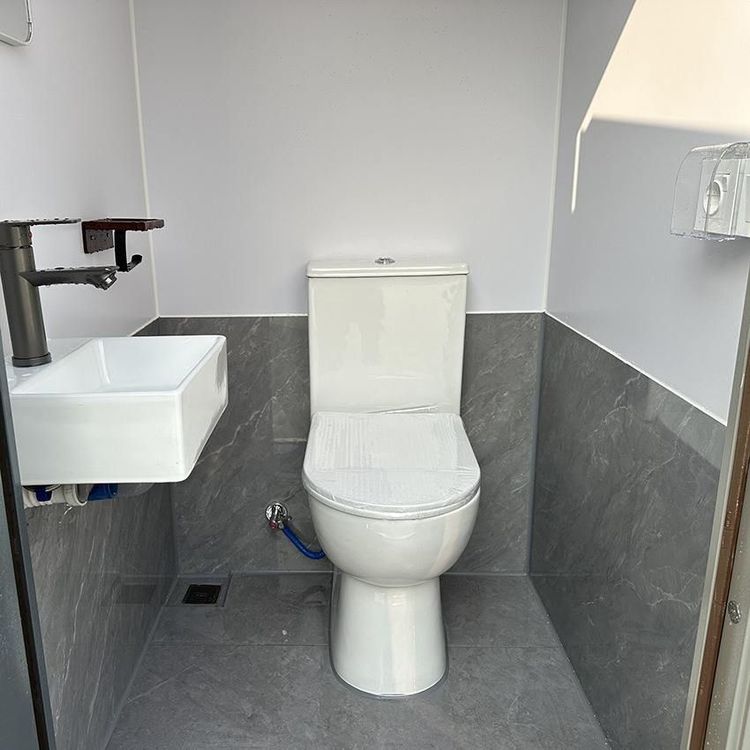
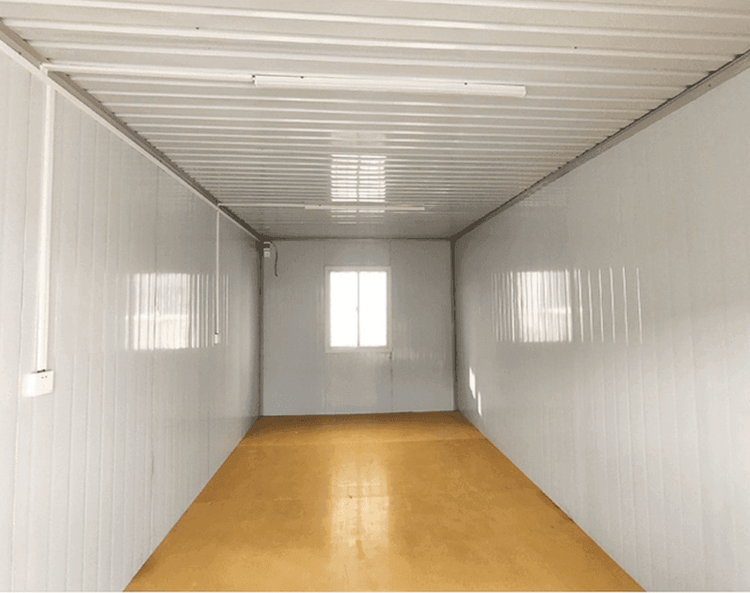
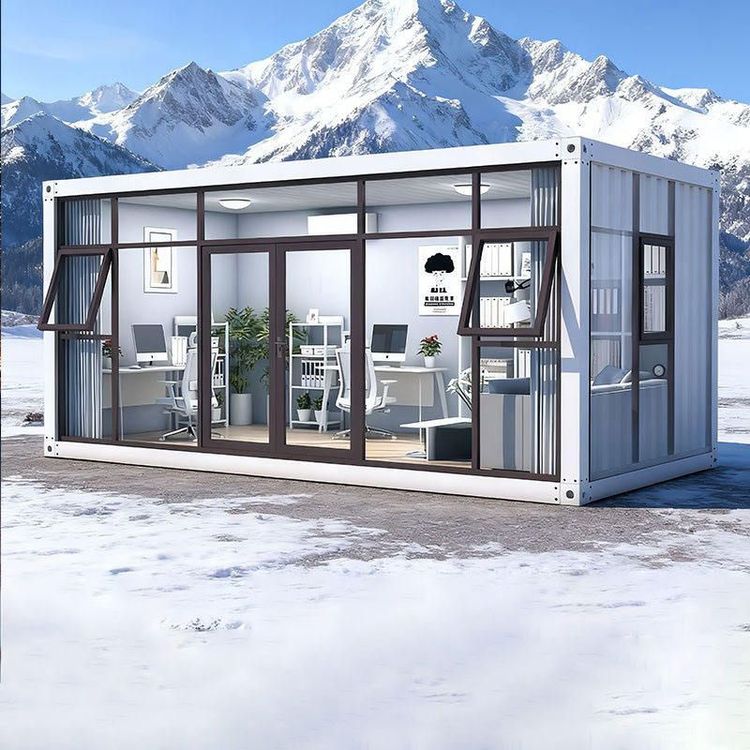
Mobile Toilet for Commercial Use
Mobile toilets are widely used in commercial settings, suitable for stations, docks, tourist attractions, large construction sites, squares, densely populated public places, and bustling commercial streets, among other scenarios. They come in various types, with prices varying based on configurations.

Commercial Scenario Adaptability
The commercial value of mobile toilets lies in their flexible deployment capabilities. For example, tourist attractions can temporarily add mobile toilets to alleviate toilet pressure during peak holiday seasons; large construction sites, due to their long construction periods and high personnel turnover, require long-term deployment of mobile toilets to meet workers' needs; when commercial streets host promotional events or night markets, mobile toilets can quickly fill coverage gaps left by fixed facilities. Their mobility allows them to be repositioned according to actual needs, avoiding the high costs and long cycles associated with fixed building renovations.
Types and Functional Characteristics
Structural Forms
- Single-unit mobile toilets: Compact in size, suitable for space-constrained locations such as small squares or temporary event venues.
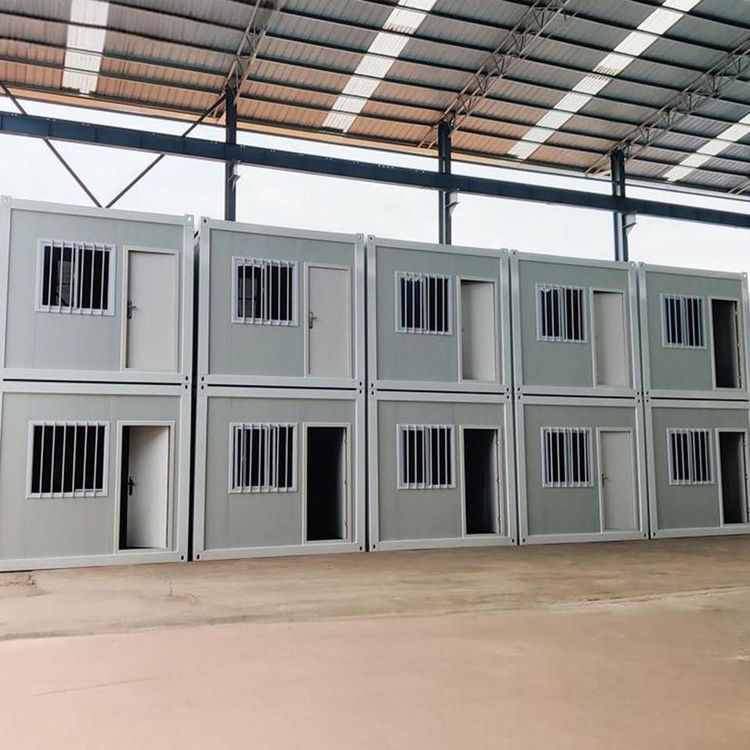
- Composite-structure mobile toilets: Composed of multiple independent units, they can be expanded into multi-stall, management-room-equipped comprehensive facilities, suitable for high-traffic scenarios like stations or large construction sites.
Mobility Methods
- Lifting and handling types: Rely on forklifts or cranes for movement, suitable for short-term use or scenarios requiring frequent repositioning.
- Powered and towed types: Equipped with wheels or towing devices, they can be transported by vehicles, suitable for cross-regional巡回 (touring) use, such as music festivals or exhibitions.
Sewage Treatment Methods
- Water-flush and non-water-flush suction types: Rely on clean water for flushing, with sewage requiring regular pumping, suitable for locations with water sources and sewage disposal facilities.
- Recirculating water-flush types: Utilize filtration systems to reuse water resources, reducing water consumption, suitable for water-scarce regions.
- Dry-pack types: Use biodegradable bags to collect waste, requiring no water sources or sewage disposal facilities, suitable for remote areas or temporary events.
Price and Configuration Differences
The prices of commercial mobile toilets are significantly influenced by their structure, materials, and functions. For example, basic single-unit toilets cost approximately 15,000 to 20,000 yuan, while composite-structure or luxury models (e.g., those equipped with air conditioning and sound systems) can exceed 40,000 yuan. The 2026 new lightweight plastic mobile toilets enhance cost-effectiveness through optimized designs (e.g., large-capacity clean water tanks, gravity flushing systems), making them suitable for small to medium-sized commercial scenarios.