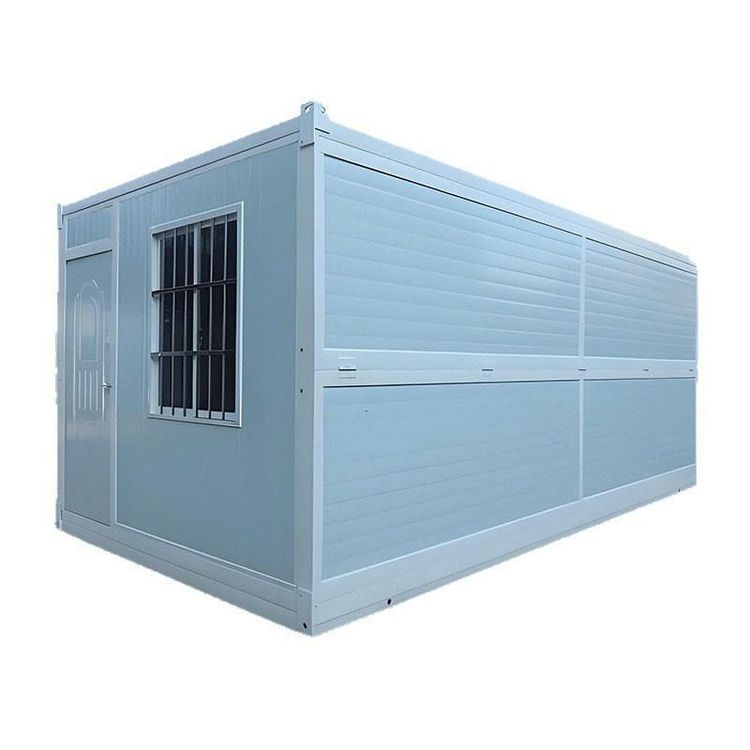
Thickness of Color Steel Plate for Mobile Toilets
The thickness of color steel plates for mobile toilets varies depending on their specific uses and structures, with a common range from 0.3 mm to 100 mm. The following provides a detailed explanation based on different structural types:

1. Thickness of Ordinary Color Steel Plates
The ordinary color steel plates used in mobile toilets typically refer to single-layer metal sheets, with a thickness range of 0.3 mm to 0.8 mm. These plates are mainly used in non-load-bearing parts, such as decorative panels, internal partitions, or lightweight enclosure structures. Their advantages include low cost, light weight, and ease of rapid installation and disassembly. However, their sound insulation and thermal insulation performance are relatively weak, requiring supplementary materials.
2. Thickness of Color Steel Plates for Main Frames
Some mobile toilets use 16 mm thick color steel plates as the main frame. These plates need to bear structural support functions, so their thickness is significantly increased to enhance deformation resistance and overall stability. The frame structure is usually used in conjunction with connectors to form modular units, suitable for scenarios requiring frequent movement or high wind pressure resistance.
3. Thickness of Double-Sided Color Steel Sandwich Panels
The enclosure body often uses double-sided color steel sandwich panels, with a total thickness range of 50 mm to 100 mm. These panels are composed of two layers of color steel plates (usually with a thickness of 0.5 mm to 1.0 mm) and an intermediate core material (such as polystyrene, rock wool, or polyurethane). The thickness of the core material directly affects the thermal insulation and sound insulation performance:
- 50 mm sandwich panels: Suitable for regions with mild climates, meeting basic thermal insulation needs;
- 75 mm to 100 mm sandwich panels: Used in cold or hot regions, significantly improving energy efficiency and reducing energy consumption.
Selection Recommendations
- For lightweight design, prioritize single-layer color steel plates with a thickness of 0.3-0.8 mm;
- For high structural stability requirements, it is recommended to use 16 mm frame plates;
- For a balance between thermal insulation and strength, double-sided sandwich panels (50-100 mm) are the optimal choice, with the specific thickness determined by the usage environment.
In practical applications, manufacturers may adjust the plate thickness based on cost, transportation constraints, and functional requirements. Users should select the appropriate specifications based on specific scenarios.