Method of Collecting Mobile Toilets
Since a standardized operating procedure for the collection of mobile toilets has not been found, the following provides general guiding principles and precautions:

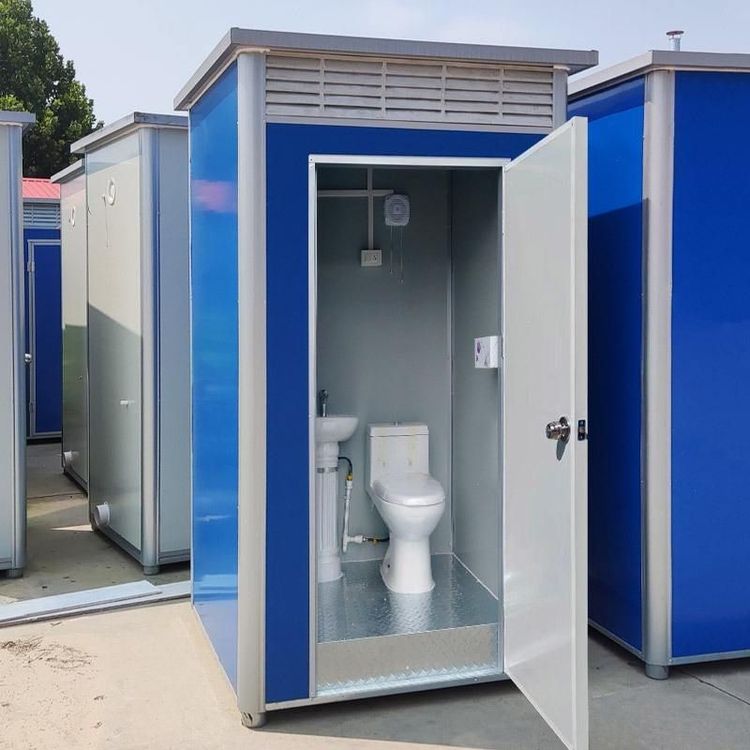
The method of storing or collecting mobile toilets usually depends on their specific types (such as trailer-mounted, standalone, foldable, etc.) and design structures. Mobile toilets produced by different manufacturers may have differences in operational details. If you need to collect a mobile toilet, the core steps should revolve around unlocking the structure, folding or disassembling components, and handling the fixing devices. However, specific operations must be carried out in accordance with the product manual or manufacturer's instructions. The following are general suggestions:
I. Preparation Before Operation
- Check the toilet status: Ensure that no one is using the toilet and that there is no residual waste inside to avoid leakage or contamination during operation.
- Clear the surrounding area: The area around the mobile toilet should be flat and free of obstacles to ensure sufficient space for collection and prevent collision damage.
- Prepare tools: Some mobile toilets may require special tools (such as wrenches, screwdrivers, etc.) for collection. Prepare these tools in advance and confirm their applicability.
II. Unlocking the Structure and Handling Components
- Unlock the fixing devices: Mobile toilets are usually fixed with latches, bolts, or hydraulic devices. These fixing structures need to be released first. For example, trailer-mounted toilets require the release of the towing hook, and foldable toilets require the opening of the latches on the folding joints.
- Fold or disassemble components: According to the design, gradually fold the walls, roof, or separate detachable components (such as the fecal storage tank, water tank) of the toilet. Pay attention to the force applied during operation to avoid deformation of components due to excessive force.
- Handle connecting pipes: If the toilet is equipped with water inlet pipes, sewage pipes, etc., close the valves and disconnect them first to prevent liquid leakage. Some pipes may need to be drained of residual liquid before storage.
III. Fixing and Storage After Collection
- Fix the collected state: After folding or disassembling, use straps, buckles, or other devices to fix the toilet to prevent components from coming loose during transportation or storage.
- Check stability: Ensure that the collected toilet is structurally stable, with no risk of loosening or tilting, to avoid damage caused by shaking.
- Storage environment requirements: Mobile toilets should be stored in a dry and well-ventilated indoor environment to avoid long-term exposure to sunlight or rain and snow, preventing material aging or corrosion.
Important Note: If you are not familiar with the operation steps, be sure to contact the manufacturer or a professional for guidance. Do not disassemble or forcefully operate the toilet on your own to avoid equipment damage or personal injury.