
Mobile Toilet Cleaning Facilities
The cleaning facilities of mobile toilets vary depending on their types, mainly including the following types and their corresponding cleaning facilities:
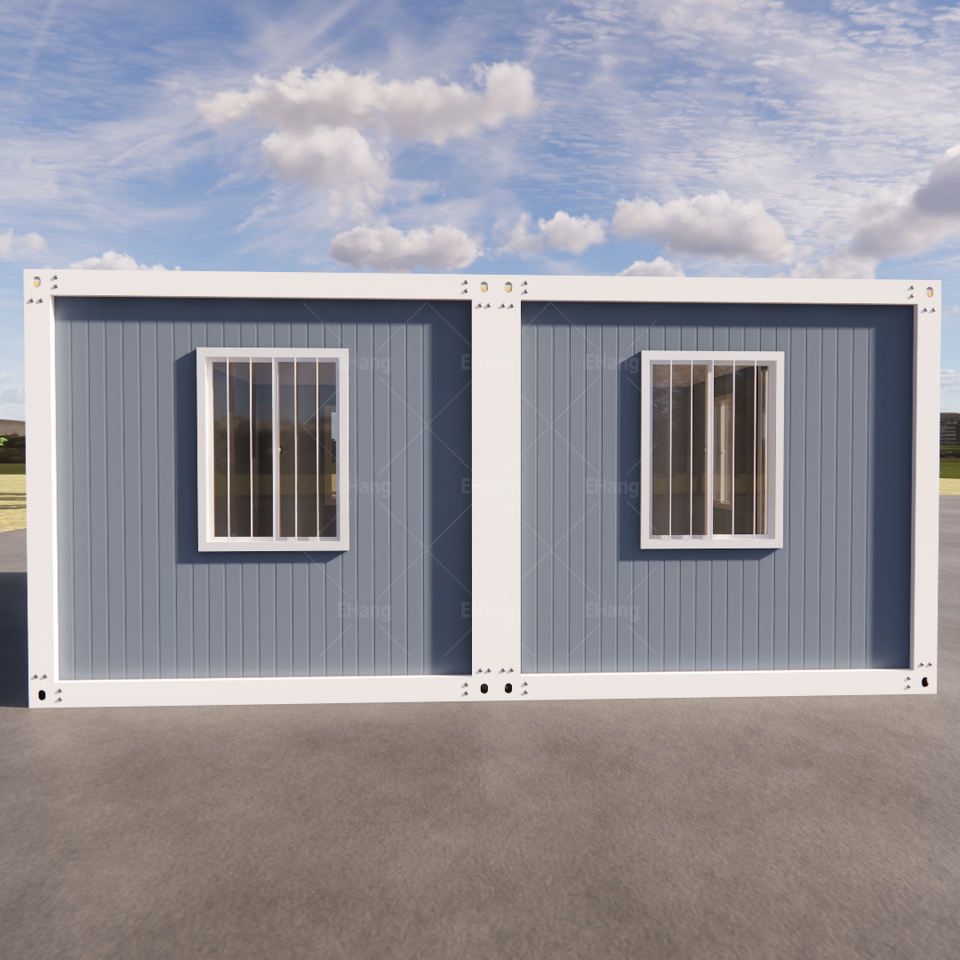
1. Recirculating Water-Flush Mobile Toilets The core cleaning facility of this type of toilet is an intermittent aerobic and anaerobic treatment unit. By adding biological strains and utilizing biofilm technology, it accelerates the decomposition process of feces. The treated water can be recirculated for flushing the toilet bowl, forming a closed-loop system that significantly reduces water consumption. Its cleaning mechanism relies on the metabolic activities of microorganisms to convert organic matter into harmless substances, while maintaining toilet hygiene through recirculating flushing.
2. Dry-Packing Mobile Toilets These toilets have no water-flushing mechanism; instead, excreta are directly collected by biodegradable plastic bags. After use, the system automatically replaces the bag with a new one and collects the full bags for centralized treatment. The cleaning process relies entirely on physical isolation and replacement, requiring no water resources or chemical treatment, making it suitable for water-scarce areas or scenarios with strict environmental requirements. Its advantages include zero water consumption and low maintenance costs, but the collected excreta bags need to be regularly cleared.
3. Independent Urinal and Stool Partition Treatment System Some mobile toilets feature an independent partition design inside. The urine channel utilizes gravity flow to directly discharge urine into a collection unit, while the stool channel is cleaned by a piston-type scraper mechanism. The scraper can be pushed automatically or manually to move feces into a collection container. Additionally, the toilet is equipped with non-slip floors, automatic-flushing toilet bowls, and ventilation and lighting systems to ensure safety and comfort during use. The automatic flushing function is usually triggered by infrared sensors or timers, reducing manual operation.
4. Intelligent Water-Saving Eco-Friendly Toilets This type of toilet achieves efficient cleaning by automatically collecting urine and hand-washing water and adding water-saving special agents. Its flushing system uses approximately 0.46 liters of water per use, far less than that of traditional toilets. The water-saving agents decompose contaminants through chemical or biological actions while suppressing odors. Some intelligent toilets are also equipped with sensors to monitor toilet stall usage status, optimizing the allocation of cleaning resources and further enhancing water-saving effects.
The design of cleaning facilities for different types of mobile toilets focuses on resource conservation, hygiene maintenance, and user experience, allowing for the selection of appropriate solutions based on specific scenario requirements.



