
Mobile Toilet Cleaning
Mobile toilet cleaning is a crucial service for ensuring hygiene and safety, involving professional equipment, standardized procedures, and intelligent management.
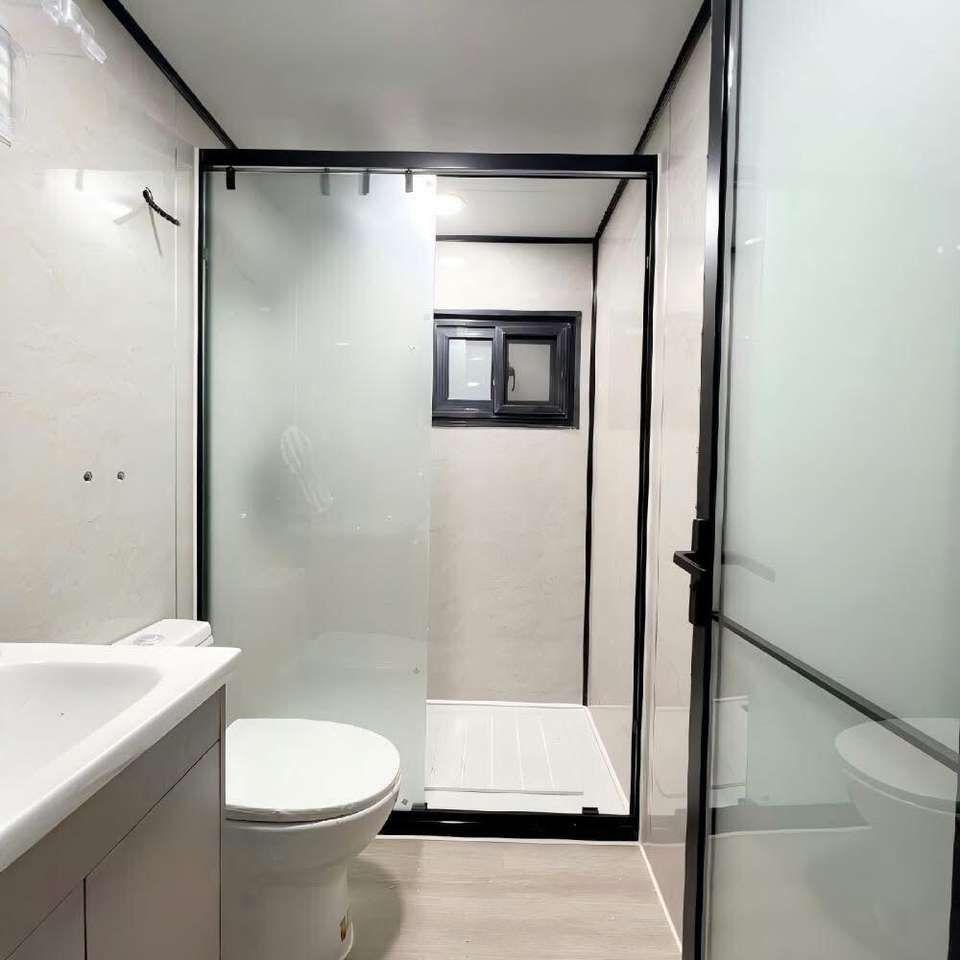
Cleaning Process and Core Equipment
Professional cleaning teams use sewage suction trucks for core operations: vacuum pumps (negative pressure ≥0.08MPa) are employed to extract sewage and solid waste from the toilet tanks, while internal baffle plates in the tanks reduce sloshing during transportation. For different toilet models (standalone, towable, container-type), varying lengths of suction hoses and quick-connect fittings are required, with manual gate valves controlling flow rates. During cleaning, high-pressure water jets are first used to rinse the interior and exterior walls of the toilet compartments, followed by the application of deodorizers and disinfectants (such as slightly acidic electrolyzed water or hypochlorous acid). Finally, fogging disinfection is carried out to ensure the elimination of pathogens like Escherichia coli and Staphylococcus aureus.
Intelligent and Ecological Upgrades
Modern services incorporate smart sensors for real-time liquid level monitoring, automatically triggering dispatch systems to enhance response efficiency. IoT technology enables toilets to autonomously send cleaning requests, with service providers using cloud platforms for centralized vehicle scheduling. Resource recovery technologies are becoming increasingly widespread: feces undergo solid-liquid separation followed by aerobic composting to produce organic fertilizer, while sewage is treated via MBR membranes for reuse in landscape irrigation, reducing environmental pollution.
Scenario-Specific Operating Standards
- High-traffic scenarios (e.g., music festivals, marathons): Plan routes in advance and operate during off-peak hours to minimize disruption to the experience.
- Construction site scenarios: Avoid areas with heavy machinery operations; after cleaning, use portable car washers to rinse ground stains and prevent secondary pollution.
- Emergency response: Prior to rental, customers must clarify cleaning frequency (e.g., once daily) and emergency response times (e.g., arrival within 2 hours) with service providers.
Industry Standards and Oversight
Service quality is subject to dual supervision by health authorities and event organizers. Legitimate service providers must maintain cleaning records for each toilet, documenting cleaning times and disinfection status, and are subject to random inspections. Operators must hold health certificates and wear protective suits and gloves during work. Customers can select service providers through platforms like 58.com, focusing on their qualifications and historical reviews.
Technological Development Trends
Future cleaning services will rely more heavily on automation and data-driven approaches, such as using AI to predict cleaning needs and optimize route planning, or leveraging blockchain technology to create tamper-proof cleaning records, further enhancing transparency and trustworthiness.



