Where to Apply Caulk in Mobile Toilets
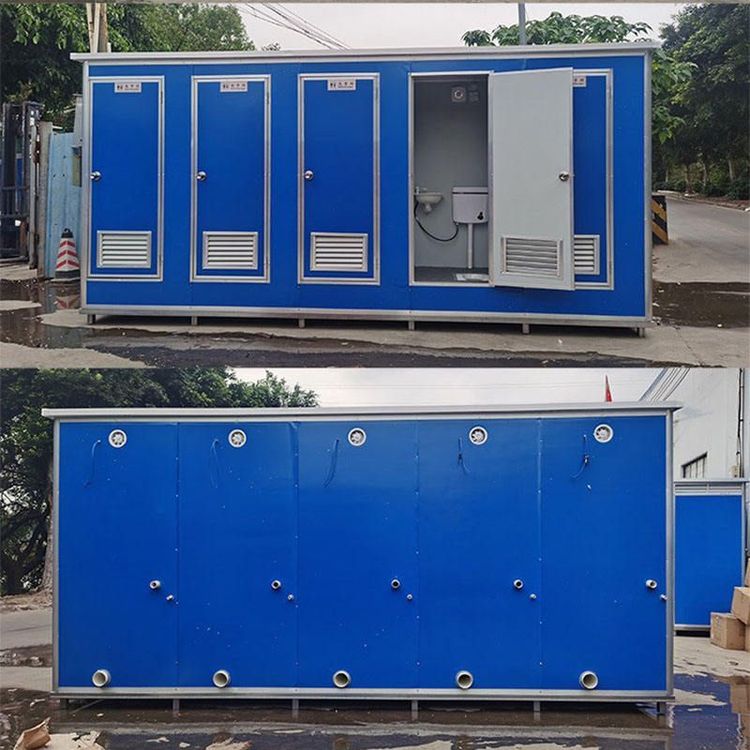
The main positions for caulking in mobile toilets include the base of the toilet bowl, the seams of the sink, the ceiling edges, the exhaust pipe openings, and structural connections. Specialized caulks should be selected and applied according to the specific location.

I. Key Caulking Positions and Caulk Selection
Seams between the Toilet Bowl Base and Floor Tiles
This position requires sealing with neutral mold-resistant silicone caulk, focusing on filling the gaps between the toilet bowl edge and floor tiles. Neutral caulk does not corrode ceramics and metals, and its mold-resistant properties prevent blackening and mold growth caused by prolonged exposure to sewage. Before application, thoroughly clean the seams to ensure no dust or water stains remain, as these can affect caulk adhesion.Seams between the Sink and Wall, Ceiling Edges
The areas around the sink and ceiling edges require long-lasting mold-resistant cosmetic caulk or glass caulk. These regions are constantly exposed to moisture, making them prone to mold growth. Therefore, caulks with strong weather resistance and anti-aging properties should be selected. When caulking the ceiling edges, apply the caulk evenly along the edge of the panel to form a continuous sealing layer, preventing moisture from penetrating the structure.Public Exhaust Pipe Openings
The connection between the exhaust pipe and tiles requires special treatment: first, use professional tools to cut the tiles into a circular shape to fit the pipe, fill the gaps with waterproof caulk, and then install a backflow preventer with a silicone seal ring. This design effectively blocks odors from upstairs and prevents condensation water from the pipe from seeping into the wall.Structural Connections (e.g., Frame Seams)
According to mobile toilet assembly specifications, frame seams require reinforcement with structural caulk. For example, job postings in Ganzhou Ganxian District mention that each toilet requires 24 caulk points at a unit price of 10 yuan each. Structural caulk must possess high strength and vibration resistance to ensure frame stability.
II. Construction Precautions
- Environmental Requirements: Before caulking, ensure the application surface is dry and clean. High humidity or dust residue can reduce caulk adhesion.
- Curing Time: Neutral silicone caulk takes 24-48 hours to fully cure. Avoid flushing or applying external force during this period to prevent caulk layer cracking.
- Caulk Restrictions: Acidic glass caulk can corrode metals (e.g., faucets, hinges). Neutral caulk must be used for such parts. Structural caulk cannot replace waterproof caulk for pipe sealing due to its insufficient flexibility, which can lead to cracking.
III. Material Selection Basis
Caulking in mobile toilets must meet three key requirements: waterproofing, mold resistance, and weather resistance. For example, the base of the toilet bowl and sink seams, which are directly exposed to sewage, require priority mold resistance. Exhaust pipe openings need waterproof caulk in conjunction with backflow preventers for odor control. Structural caulk must meet the load-bearing requirements of the frame. Selecting the right caulk can extend the toilet's service life and reduce maintenance costs.