
What Category Does Mobile Toilet Belong To
Mobile toilets can be classified into different categories based on different scenarios and definitions, mainly including fixed asset categories, application scenario categories, and leasing tax item categories.
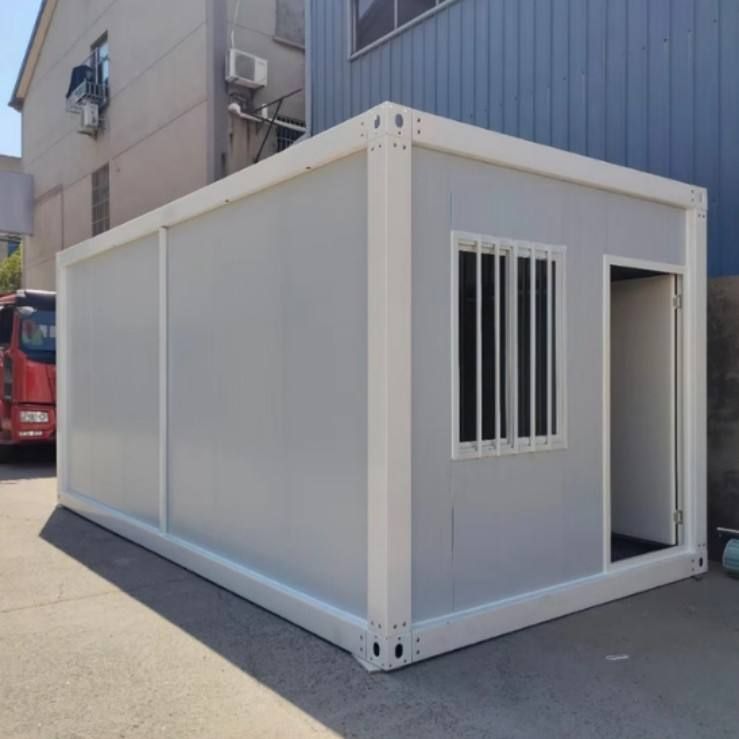
1. Classification by Fixed Assets
Mobile public toilets fall under the category of buildings in fixed asset classification. According to accounting standards, fixed assets refer to non-monetary assets held by enterprises for business management purposes, with a usage period exceeding 12 months and requiring long-term usability. Although mobile toilets are movable, their original design intention is to serve specific locations (such as scenic spots and construction sites) for a long time, and their service life usually exceeds one year, which conforms to the core definition of fixed assets. For example, when an enterprise purchases a mobile toilet for temporary rest of employees or services in public areas, it needs to include it in fixed asset management, depreciate it regularly, and record it in the balance sheet.
2. Classification by Application Scenarios
The functional configurations and design requirements of mobile toilets vary according to different usage scenarios, mainly divided into the following five categories:
- Urban Public Type: Deployed in areas such as streets and parks, emphasizing hygiene and convenience, usually equipped with automatic flushing, deodorization systems, and barrier-free facilities.
- Tourist Attraction Type: Needs to coordinate with natural landscapes, with diverse design styles (such as antique and ecological types), while meeting the demand for high tourist traffic during peak periods and having a relatively large capacity.
- Construction Site Type: Focuses on durability and mobility, using anti-corrosion materials and having a sturdy structure to adapt to harsh construction environments.
- Large-scale Event Type: Designed for temporary events (such as music festivals and exhibitions), with modular assembly for quick setup and flexible adjustment of quantity and layout.
- Emergency Relief Type: Used at disaster sites such as earthquakes and floods, featuring rapid deployment and simple operation, often integrating emergency functions such as power generation and water purification.
3. Classification by Leasing Tax Items
If mobile toilets are provided as a leasing service, the leasing behavior falls under the "operating lease" tax item. The lessor needs to pay multiple taxes based on the rental income:
- Real Estate Tax: Levied at 12% of the rental income (with preferential policies in some regions).
- Stamp Duty: Affixed at 0.1% of the lease contract amount.
- Income Tax: The rental income is included in the taxable income of enterprises or individuals and taxed at the applicable rate.
For example, if a company earns 100,000 yuan per year from leasing mobile toilets, it needs to pay 12,000 yuan in real estate tax and 100 yuan in stamp duty, and the remaining income is taxed at the corporate income tax rate.



