
Categories of Mobile Toilets
Mobile toilets can be classified into multiple categories based on different criteria, as follows:
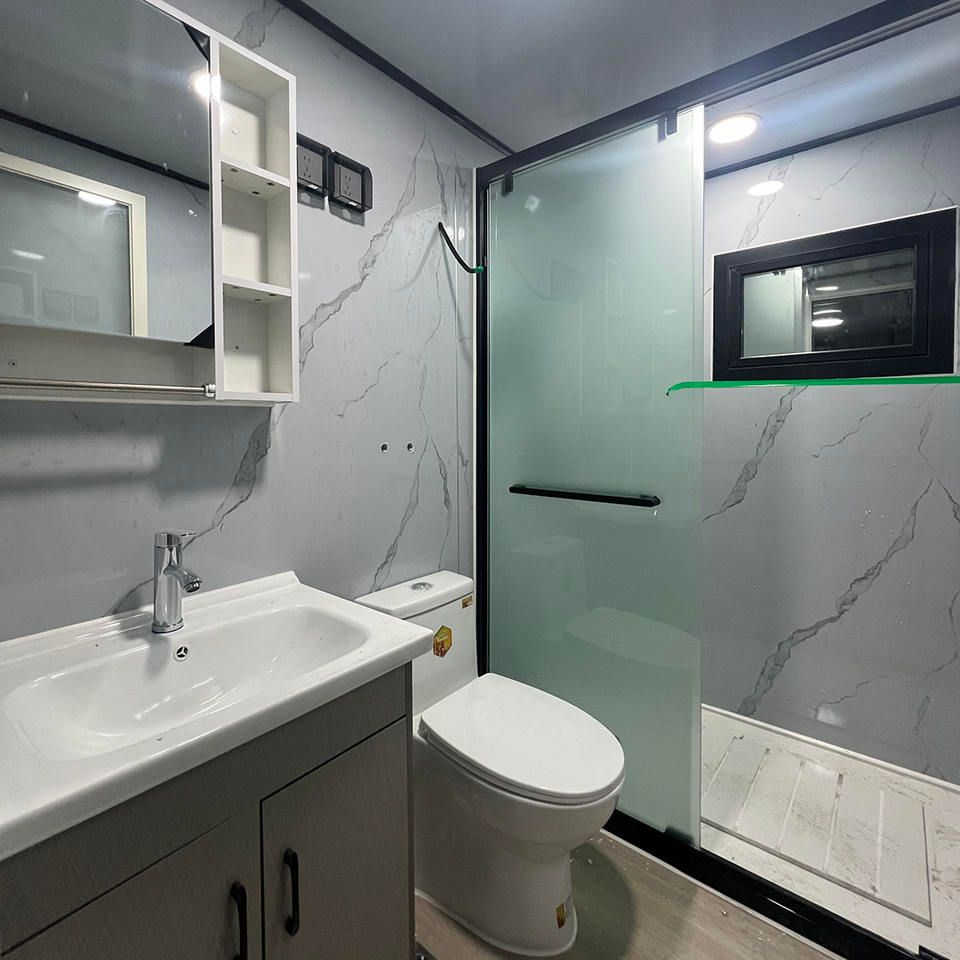
Based on structural form, mobile toilets can be divided into two categories: monolithic structures and composite structures. Monolithic mobile toilets are typically standalone units with simple structures, suitable for scenarios with limited space or temporary needs. Composite mobile toilets, on the other hand, are composed of multiple functional modules, offering strong scalability and the ability to meet demands for multiple toilet stalls or additional facilities.
Based on mobility method, mobile toilets can be categorized into hoisting and handling types and powered and towed types. Hoisting and handling mobile toilets rely on lifting equipment or manual handling for position changes, suitable for scenarios with fixed-period relocations. Powered and towed mobile toilets are equipped with power systems or towing devices, allowing them to be moved by vehicles or self-propelled, offering higher flexibility and suitable for scenarios requiring frequent position adjustments.
Based on sewage treatment method, mobile toilets can be divided into three categories: flush and non-flush suction types, circulating flush types, and dry packing types. Flush and non-flush suction mobile toilets handle excreta through flushing or vacuum suction, requiring regular cleaning of sewage storage tanks. Circulating flush mobile toilets adopt a closed water circulation system, achieving water reuse through filtration and disinfection processes, with significant water-saving effects. Dry packing mobile toilets use biodegradable packaging bags to collect excreta, eliminating the need for water and suitable for water-scarce or environmentally stringent scenarios.
Based on application scenarios, mobile toilets can be classified into five categories: urban public types, tourist attraction types, construction site types, large-event types, and emergency relief types. Urban public mobile toilets need to be equipped with barrier-free facilities and intelligent management systems to enhance usability and management efficiency. Tourist attraction mobile toilets focus on blending with the surrounding environment, often equipped with air purification systems and landscape greenery to minimize impact on the scenery. Construction site mobile toilets emphasize weather resistance and ease of cleaning to adapt to harsh construction environments. Large-event mobile toilets require rapid installation and convenient transportation to meet short-term high pedestrian flow demands. Emergency relief mobile toilets need to be lightweight, foldable, antibacterial, and leak-proof to adapt to the special needs of emergency rescue scenarios.



