
Can Mobile Toilets Be Moved into Rooms?
Whether a mobile toilet can be moved into a room requires a comprehensive assessment based on the type of toilet, room conditions, and regulatory requirements, and cannot be generalized.
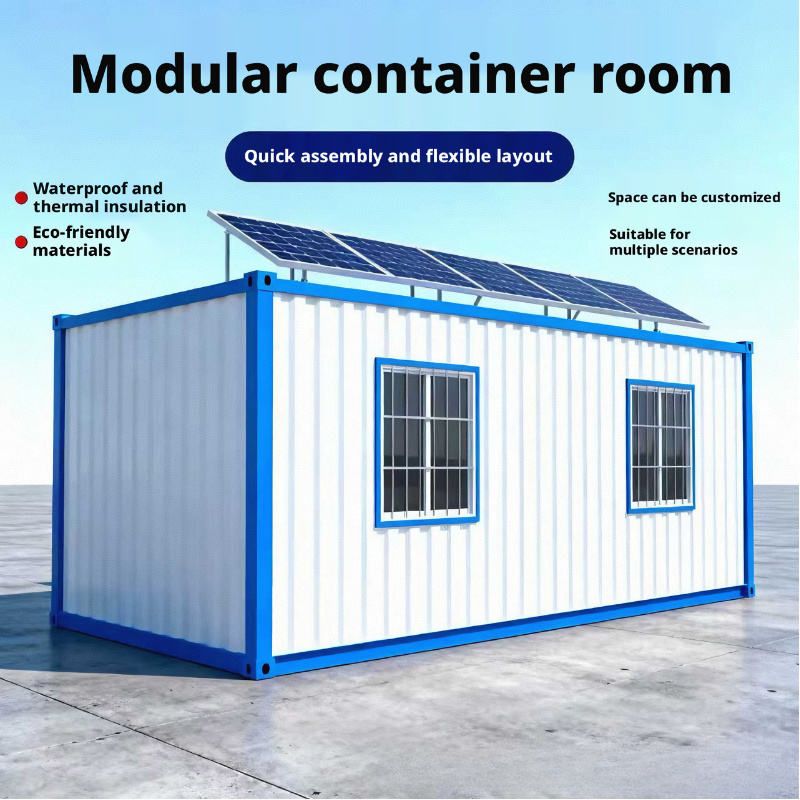
I. Situations Where It Can Be Moved into a Room If a factory-prefabricated, finished, small mobile toilet (e.g., with fewer than 4 toilet stalls) is selected and the room conditions meet the requirements, it can be directly transported and installed. Such toilets typically adopt a modular design with flexible installation methods:
- Transportation Methods: They can be manually moved by installing wheels or transported using hooks, steel wires, and other tools in conjunction with a crane.
- Structural Adaptability: They feature innovative designs and can be customized as integrated shower units. Their fecal treatment methods are environmentally friendly (e.g., microbial degradation, recirculating water systems), eliminating the need for complex drainage pipes.
- Room Condition Requirements: It is necessary to ensure that the room has sufficient space to accommodate the toilet's dimensions, that the floor load-bearing capacity meets the standards (e.g., lightweight material toilets can reduce load-bearing requirements), and that ventilation, lighting, and other sanitary conditions are up to standard.
II. Situations Where It Is Difficult to Move into a Room If it involves traditional fixed toilets or requires extensive renovation, the difficulty of moving them increases:
- Drainage System Limitations: If the toilet needs to be connected to drainage pipes (e.g., inter-floor drainage), it is necessary to negotiate with the downstairs occupants for pipe relocation, which may damage the original building structure.
- Structural Renovation Requirements: Some toilets may require raising the floor level, building false walls to hide pipes, or making significant adjustments to the room layout, increasing the cost of moving.
- Regulatory Limitations: Building safety regulations (e.g., load-bearing and fire protection requirements) or hygiene and epidemic prevention standards (e.g., ventilation and sewage discharge permits) may prohibit the installation of certain types of toilets in rooms.
III. Comprehensive Recommendations
- Prioritize Small Finished Toilets: If room conditions permit, prioritize selecting factory-prefabricated, environmentally friendly small mobile toilets to reduce renovation needs.
- Assess Room Conditions: Measure the room's dimensions and load-bearing capacity in advance and confirm whether ventilation, drainage, and other infrastructure match.
- Consult Professionals: When structural renovation or regulatory approval is involved, it is recommended to contact architects, renovation companies, or health departments to ensure the plan complies with regulations.
Conclusion: Whether a mobile toilet can be moved into a room requires a comprehensive assessment based on its specific type, room conditions, and regulatory requirements. Small finished toilets can be realized under satisfying conditions, while traditional fixed toilets or scenarios requiring extensive renovation pose greater difficulties.



