
Can Mobile Toilets Be Laid Down?
Mobile toilets are generally not recommended and are difficult to directly 'lay down'. Their design prioritizes structural stability and does not typically include a function for active laying down in normal usage scenarios.
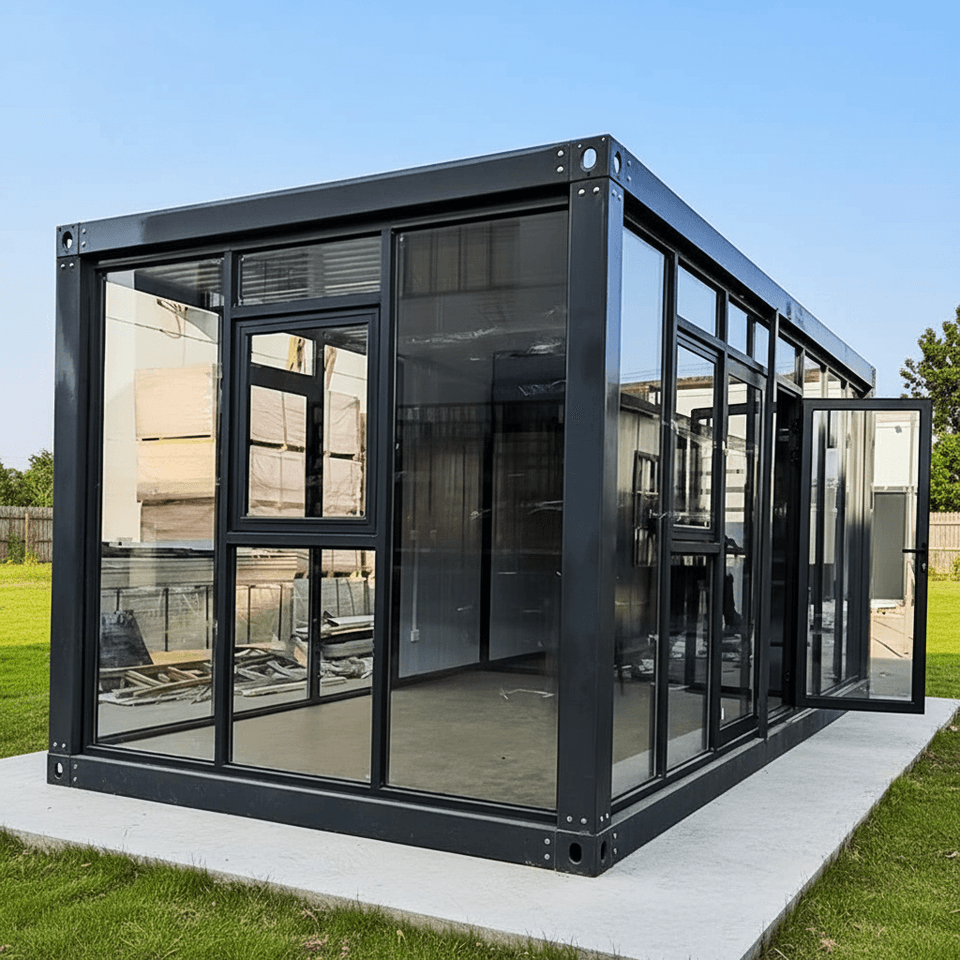
The structural design of mobile toilets focuses on stability
The frame structure of mobile toilets is the foundation of their stability. Whether they are single-unit or multi-unit, their bases are tightly connected to the ground using fixing devices (such as anchor bolts), and their overall center of gravity is designed to be low to ensure they remain upright under normal wind conditions (≤ force 8). For example, some large multi-unit public toilets enhance their wind resistance through multi-point fixing methods, ensuring they do not easily topple even in strong winds. This design logic determines that mobile toilets have a 'fixed' attribute rather than being mobile devices that can freely change their form.
Modular design does not equate to being able to be laid down
The modular design adopted by high-end mobile toilets is primarily aimed at facilitating transportation and rapid assembly, rather than supporting laying down operations. The combination of a metal carved panel exterior and an aerospace-grade aluminum alloy frame, while enhancing wind resistance (up to force 8, for example), still prioritizes stability in the connection methods between modules. For instance, modules may be fixed using bolts or clips, requiring professional tools and taking a long time to disassemble, which is fundamentally different from the quick and flexible operations required for 'laying down'.
Practical usage scenarios limit the possibility of laying down
Mobile toilets are typically deployed in public areas or temporary event venues, where their functional requirements prioritize 'usability' and 'safety'. If forced to be laid down, the following issues may arise:
- Structural damage: The frame or exterior may deform due to uneven force distribution, affecting subsequent use;
- Damage to fixing devices: Connecting components such as anchor bolts may break, increasing repair costs;
- Safety hazards: If not fully secured during the laying down process, the toilet may topple over, injuring people or damaging surrounding facilities.
Special circumstances require professional operations
If adjustments to the form of a mobile toilet are necessary for transportation or maintenance, it is usually required to lift the entire unit using professional equipment (such as cranes) rather than laying it down directly. Some foldable mobile toilets, while capable of reducing their volume, have a folding mechanism different from 'laying down' and must strictly adhere to operational guidelines to avoid damage.
In conclusion, the design intent of mobile toilets is to provide stable and safe temporary sanitation facilities, and their structural characteristics and usage scenarios do not support arbitrary laying down. If movement or adjustment is required, it is recommended to contact the supplier or a professional team for operations.



