
Mobile Toilet Booth Design
The design of mobile toilet booths combines flexibility and practicality, serving as an important facility for urban services and safety management. It features rapid deployment, multi-functional applications, green environmental protection, and user-friendly design.
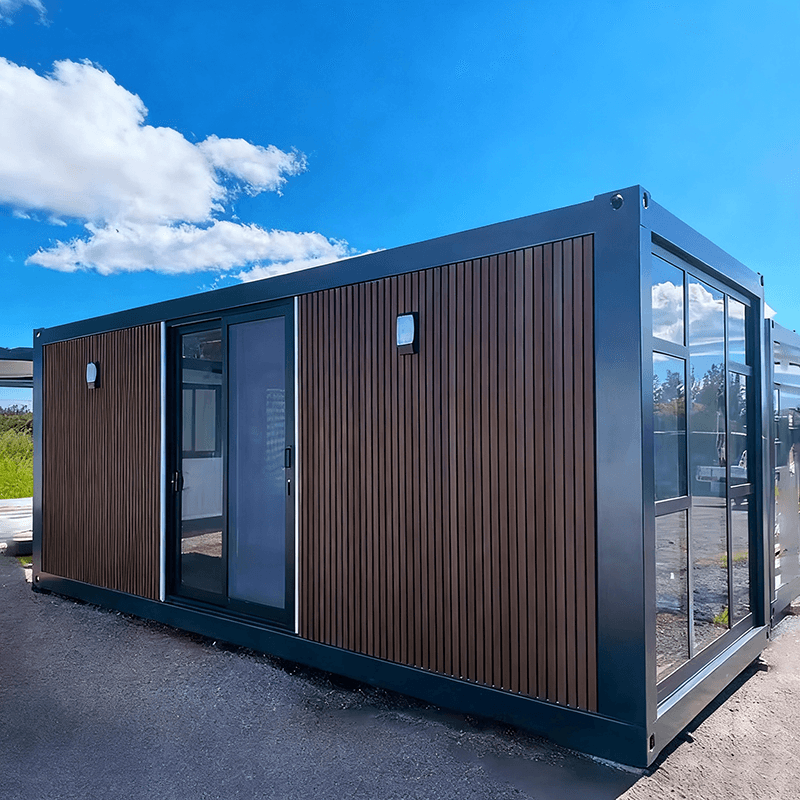
I. Flexibility and Modular Design
The core advantage of mobile toilet booths lies in their mobility. They utilize lightweight materials (such as 304 stainless steel and hot-dip galvanized steel pipes) and modular assembly structures, equipped with wheels or trailer devices, enabling rapid deployment without complex foundation construction. A single standard unit can be installed in just 45 minutes, improving efficiency by 300% compared to traditional temporary toilets. Moreover, they can be repeatedly disassembled and reassembled to meet dynamic needs in scenarios such as emergency rescue, large-scale events, and scenic spots.
II. Multi-functional Layout and Practicality
The interior space is flexibly planned through modular design to meet diverse purposes:
- Safety Watch: Integrated with surveillance equipment, communication systems, and alarm devices, providing a stable working environment for security personnel.
- Service Consultation: Used as information desks or ticket booths in scenic spots or commercial areas, equipped with workbenches, power outlets, and ventilation systems.
- Environmental Protection and Hygiene: Mobile toilets adopt water-saving technologies (such as foam sealing), microbial degradation, or waterless packaging designs, paired with ventilation systems and deodorization devices to ensure hygiene without unpleasant odors. Some eco-friendly models achieve 'negative carbon emissions' through biogas collection devices, reducing carbon dioxide emissions.
III. Green Building and Technological Empowerment
- Materials and Cost: High-quality materials like fire-resistant aluminum panels are selected, ensuring structural stability and strong wind resistance. Construction costs are only 30%-50% of traditional buildings, with simple maintenance and compliance with green building principles.
- Energy Optimization: Some products are equipped with solar power systems to drive air circulation and lighting, reducing energy consumption. Nano-coated walls enhance cleaning efficiency, reducing the use of chemical cleaning agents.
- Smart Management: IoT-enabled smart booths can monitor usage frequency, hygiene conditions, and equipment status in real-time, optimizing operational costs and achieving data-driven fine management.
IV. User-friendly and Aesthetic Design
- Space Optimization: The interior is spacious, equipped with barrier-free facilities (such as non-slip aluminum floors and low-position handrails), with well-designed privacy partitions for compartments and reasonable wiring layouts.
- Appearance Integration: A variety of colors and shapes are available to harmonize with the surrounding environment, avoiding visual clutter.
- Detail Enhancement: Through reasonable ventilation design, natural lighting, and soundproof materials, user comfort is improved to meet the needs of long-term duty.



