
Mobile Toilet Belongs to Equipment
Mobile toilets belong to equipment, as analyzed in detail below:
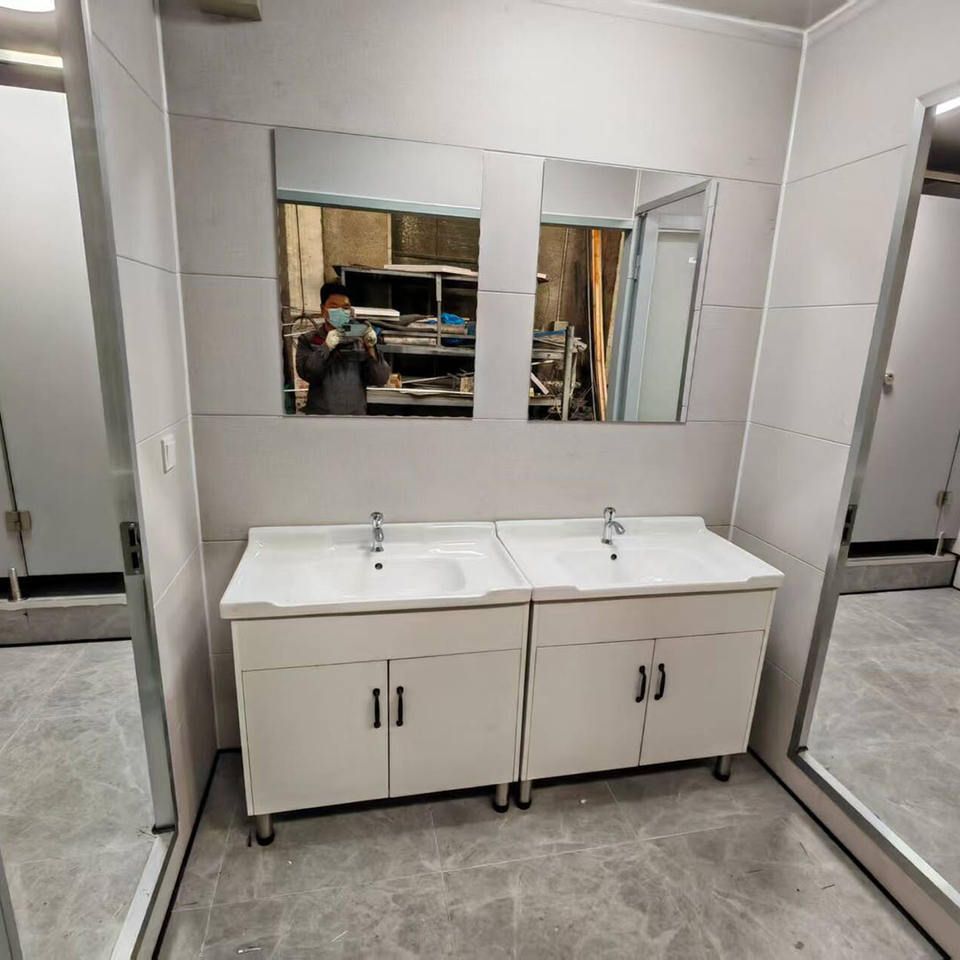
From the perspective of equipment classification, mobile toilets are classified as general-purpose equipment. General-purpose equipment refers to equipment that is not tailored to a specific product or process, has relatively basic and universal functions, and can be applied in various stages of the production process. A mobile toilet typically consists of components such as the toilet body, wastewater treatment equipment, and mobility equipment. Its core function is to provide a place for people to relieve themselves, and this function is not limited to specific scenarios or uses, demonstrating its versatility. For example, mobile toilets can fulfill their basic functions and meet people's restroom needs in various outdoor settings, including construction sites, large-scale outdoor event venues, and tourist attractions, aligning with the characteristics of general-purpose equipment.
From the perspective of the definition of fixed-asset equipment, if a company holds and uses mobile toilets for business management purposes and the usage period may exceed 12 months, then they also meet the definition of equipment within fixed assets. Fixed assets are non-monetary assets held and used by a company for more than 12 months for the production of products, provision of services, leasing, or business management, including equipment related to production and business activities. Taking a tourist attraction management company as an example, if the company purchases mobile toilets and places them within the attraction to provide restroom services for tourists, this is part of the company's business management activities, and the usage period of the mobile toilets typically exceeds 12 months. Therefore, in this case, mobile toilets are considered fixed-asset equipment of the company.
From the perspective of equipment characteristics, mobile toilets are characterized by easy installation, relocation, and maintenance. These features enable them to flexibly adapt to different usage scenarios and needs. In situations where temporary restroom facilities are required, such as large-scale concerts or sports events, mobile toilets can be quickly installed. After the event concludes, they can be conveniently relocated to other locations where they are needed. Moreover, their relatively simple structure and design facilitate routine maintenance and upkeep, ensuring the normal operation of the equipment, which further underscores their nature as equipment.



