
Features of Mobile Toilets and Bathrooms
The features of mobile toilets and bathrooms are primarily reflected in their mobility, diverse treatment methods, small footprint, practical and aesthetically pleasing design, convenient construction, scientific structural and material selection, humanized functional configurations, and wide range of application scenarios.
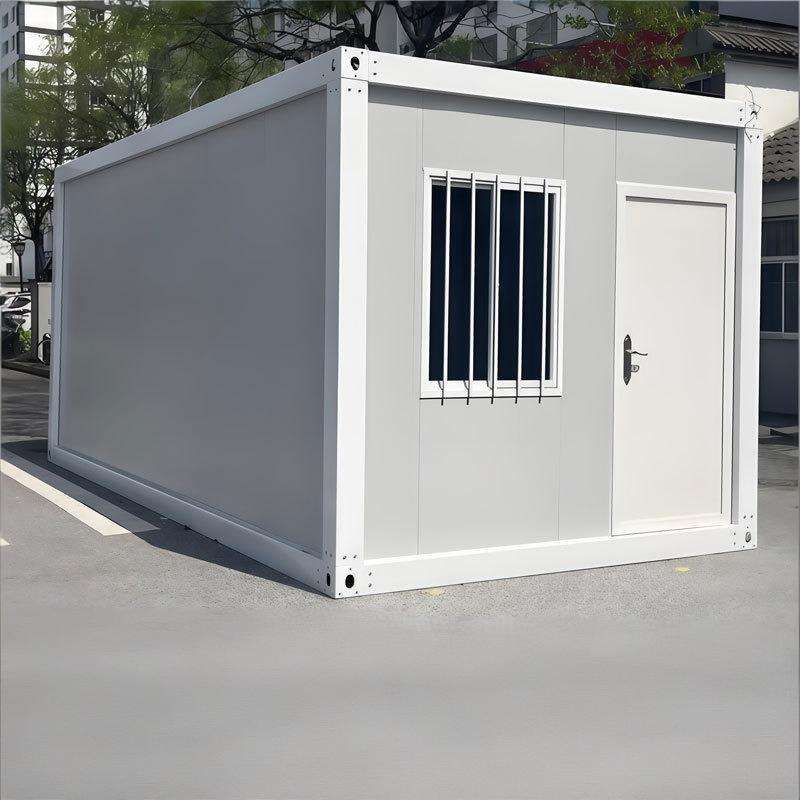
Mobility is their core advantage, allowing flexible allocation according to site changes and reducing resource waste from relocating fixed facilities. For example, during peak tourist seasons, Dalian City deploys mobile public toilets to areas with high foot traffic, and in the 2026 May Day holiday, the Jinci Scenic Area in Shanxi used a bus as a mobile men's toilet, both effectively alleviating toilet pressure.
Diverse treatment methods enable the selection of appropriate technologies based on the usage environment, adapting to different scenario requirements. Small footprint means they occupy less land resources compared to traditional fixed toilets, making them particularly suitable for areas with limited space.
Design兼顾实用与美观 (Practical and aesthetically pleasing design) is common in public places such as tourist attractions and parks, meeting functional needs while emphasizing visual harmony. Convenient construction involves factory-prefabricated units that can be installed on-site, eliminating the complex processes of site selection, material procurement, and construction associated with traditional toilets, thereby reducing labor, material, and financial investments.
Scientific structural design and material selection involve a combination of lightweight frames and durable panels. The main frame is mostly made of metal, with color-coated steel plate edging on the exterior for rust prevention and easy cleaning. The internal夹层 (interlayer) is filled with foam material for thermal insulation, adapting to outdoor environments with significant temperature variations. The top and bottom are designed separately for easy transportation to remote areas and simple on-site assembly. The walls are internally insulated, such as in northern cold regions where mobile toilets have insulation standards to ensure user comfort.
Rich functional configurations and humanized details include standard-sized equipment that balances practicality and compactness,标配塑料材质窗户 (standard plastic windows) for natural light, metal locks for security, and color-coated steel edging to prevent sharp edges. Shower functions can be added as needed to form simple shower rooms, equipped with 304 stainless steel squat toilets and PE energy-saving water tanks. They usually do not come with a base and need to be placed on a flat, hard surface for stability.
Wide range of application scenarios include supporting rapid coverage of scattered residential points in new rural reconstruction projects through their modular nature; meeting sanitation needs in densely populated areas of outdoor construction sites through multiple-unit combinations; and utilizing their mobility in tourist attractions or large event venues to dynamically adjust layouts based on foot traffic. The equipment adopts a dry-wet separation design concept to reduce later cleaning difficulty but requires regular maintenance to prevent odor buildup.



