
Mobile Toilet Base Structure Diagram
Currently, there is no publicly available specific structural diagram of the mobile toilet base. However, the base of a mobile toilet typically employs a steel-welded frame structure, with channel steel or I-beams used primarily at the bottom and square steel for the columns. Here is a detailed explanation:
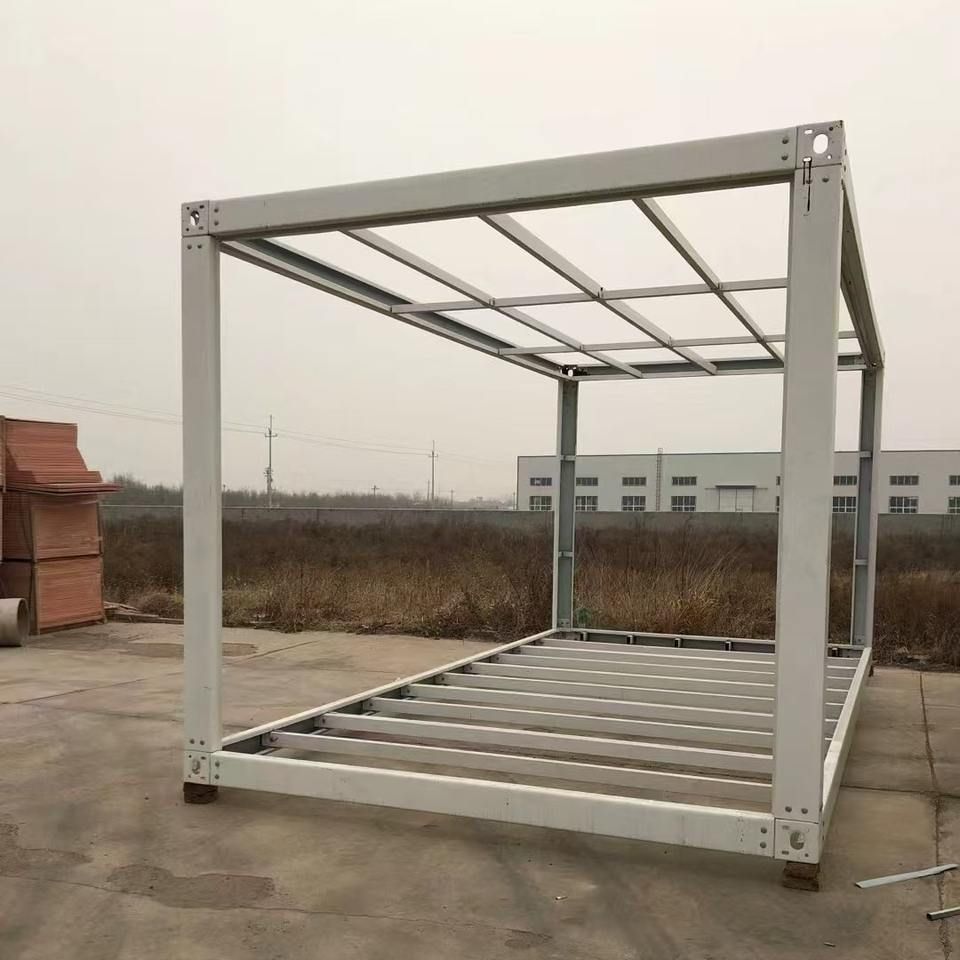
As a movable public facility, the design of a mobile toilet's base structure must balance stability, durability, and mobility. Generally, the base frame of a mobile toilet serves as the core support for the entire structure and is typically welded from steel. This material offers advantages such as high strength, corrosion resistance, and a long service life, meeting the usage requirements of mobile toilets in various environments.
In the specific structure of the base, the bottom is usually welded using channel steel or I-beams. Both channel steel and I-beams are common building steels known for their high flexural and torsional strength, effectively bearing the weight of the mobile toilet itself and various loads generated during use. Channel steel, with its channel-shaped cross-section, exhibits good flexural performance and is suitable for bearing vertical loads. I-beams, with their 'I'-shaped cross-section, offer superior flexural and torsional performance, better adapting to complex stress conditions. In practical applications, different specifications of channel steel or I-beams are selected for welding based on the scale and usage requirements of the mobile toilet to ensure the strength and stability of the base.
Square steel is predominantly used for the columns. Square steel features four right angles, a simple structure, and ease of processing, providing stable support. In the base of a mobile toilet, the columns are typically welded vertically onto the bottom frame, supporting the upper structure. The selection of square steel specifications also depends on the overall design and usage requirements of the mobile toilet. Generally, larger mobile toilets employ thicker square steel for the columns to enhance structural stability.
Additionally, to ensure the mobility of the mobile toilet, the base structure must consider the connection method with transportation vehicles. Special connection devices, such as hooks and bolt holes, are usually installed on the base to facilitate easy connection with transportation vehicles like cranes and trailers when relocation is necessary.



