Mobile Toilet Bad Odor
The bad odor in mobile toilets is mainly caused by poor ventilation, inadequate cleaning, design flaws, and the production of harmful gases, and can be addressed through measures such as regular cleaning, optimizing ventilation, and improving design.

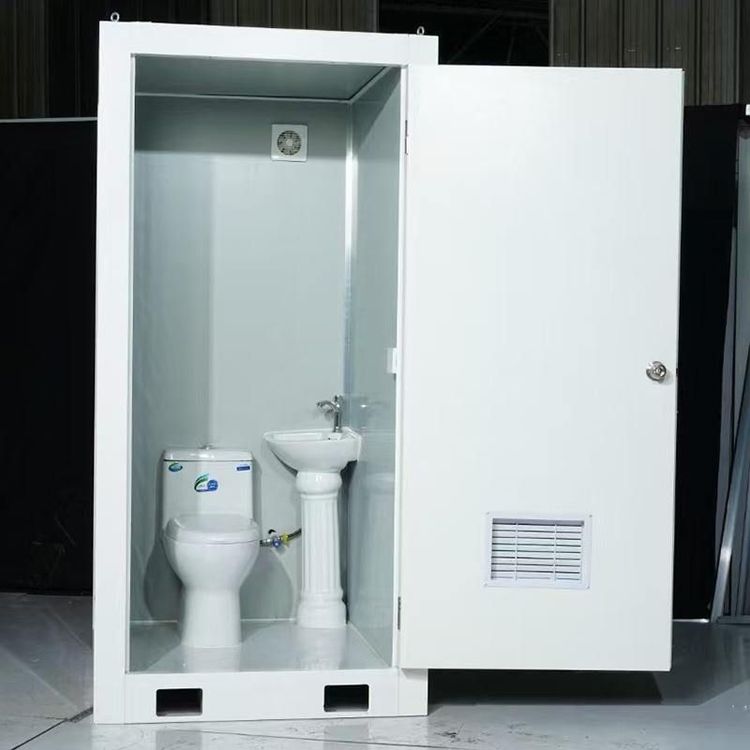
The primary cause of the bad odor in mobile toilets is poor ventilation. Mobile toilets often adopt enclosed structures. If the ventilation system is poorly designed or does not function properly, the damp air and waste inside cannot be discharged in a timely manner, creating a high-humidity, oxygen-deficient environment that becomes a breeding ground for bacteria. When bacteria decompose organic matter, volatile gases such as ammonia and hydrogen sulfide are produced, leading to the accumulation of bad odors.
Inadequate cleaning is another key factor. If the cleaning frequency is insufficient or the cleaning agents are not properly selected, the dirt remaining on the toilet surfaces provides nutrients for microorganisms, accelerating the decomposition of organic matter and further releasing bad odors. For example, the urea in urine decomposes into ammonia under the action of bacteria, while the decomposition of proteins in feces produces hydrogen sulfide, both of which have strong pungent odors.
Design flaws cannot be overlooked. Traditional mobile toilets often rely on water flushing or simple fecal storage structures, and the delayed treatment of waste can easily lead to the spread of bad odors. Some toilets are not equipped with odor-proof devices, such as U-shaped traps or sealing valves, allowing odors to flow back from the pipes. In addition, improper material selection (such as ordinary plastics) may absorb odors, exacerbating the odor problem.
The direct release of harmful gases is the direct source of bad odors. Ammonia from urine, hydrogen sulfide from feces, as well as methane and volatile organic compounds produced by the decomposition of waste in confined spaces, all spread through air circulation to the interior and surrounding areas of the toilet.
To address these issues, the following measures can be taken:
- Regular cleaning: Use enzyme-containing or chlorine-containing cleaning agents to decompose organic matter and reduce the growth of microorganisms; keep surfaces dry after cleaning to prevent residual moisture from becoming a breeding ground for bacteria.
- Optimize ventilation: Install mechanical exhaust devices or increase natural ventilation openings to ensure air circulation; some new types of toilets adopt negative-pressure ventilation systems, which can effectively reduce odor concentration.
- Improve design: Use microbial degradation technology instead of water flushing, decompose waste through aerobic bacteria to reduce odor production; install activated carbon filters or photocatalytic deodorization devices to adsorb or decompose harmful gases; use antibacterial materials to manufacture internal structures to inhibit bacterial growth.