Mobile Toilet Asset Classification
Mobile toilets belong to the category of houses and buildings among fixed assets. Here is a detailed analysis:

1. In line with the basic definition of fixed assets
According to accounting standards, fixed assets refer to non-monetary assets held by enterprises for the production of products, provision of labor services, renting out, or business management, with a service life exceeding 12 months. Although mobile toilets are movable, their core function is to provide long-term services for enterprises or public institutions (such as sanitary facilities in scenic spots, construction sites, and temporary event venues), and their service life usually exceeds 12 months, meeting the characteristic of “long-term use” of fixed assets. Their value is gradually allocated through depreciation rather than being charged as an expense all at once, further confirming their fixed asset nature.
2. Basis for classification as houses and buildings
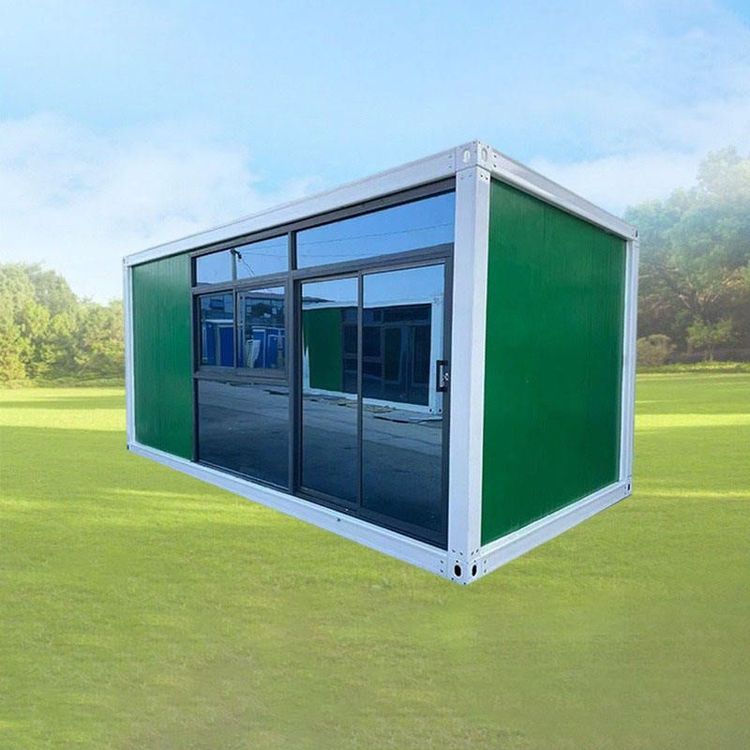
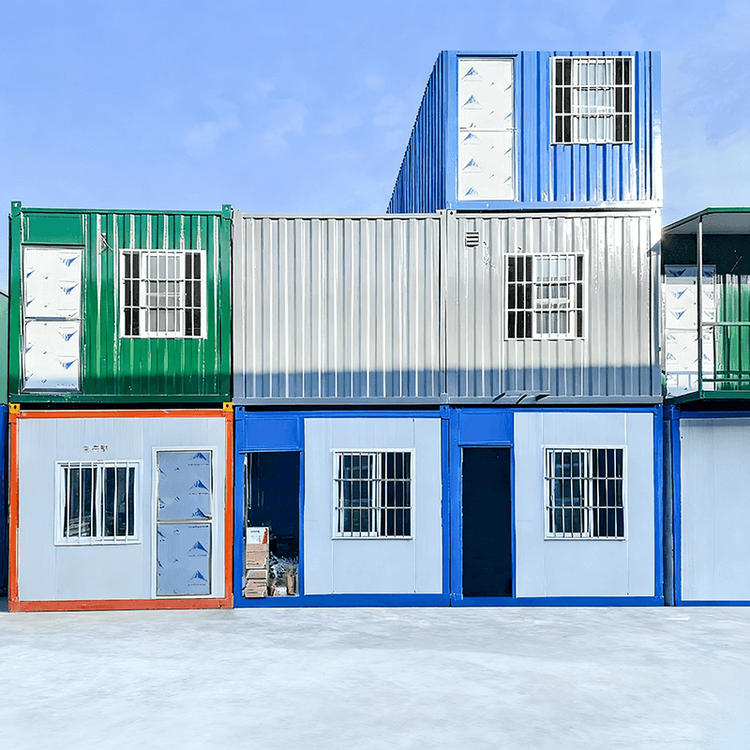
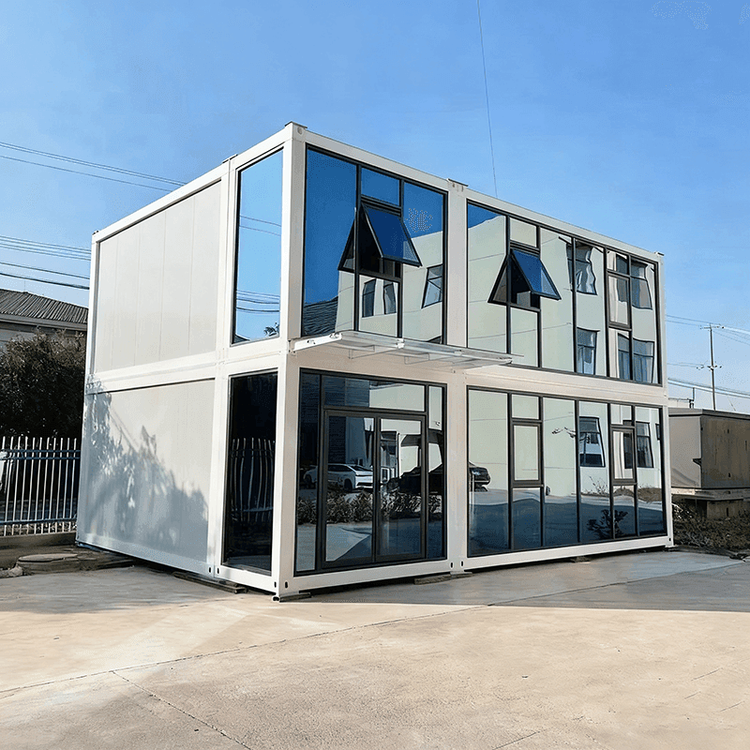
The core characteristic of fixed assets in the category of houses and buildings is to provide space for use, rather than simply having a fixed structure. Although mobile toilets are movable, they have a complete building structure (such as walls, roofs, and floors) and independent functional spaces (such as toilet areas and hand-washing areas). Similar to temporary panel houses and container-type offices, they all belong to “movable but functionally complete building units”. In addition, their installation usually requires foundation fixing (such as ground anchors and leveling) to ensure stability during use, further strengthening their connection with houses and buildings.
3. Flexibility in industry classification
In different scenarios, mobile toilets may be classified in more detail:
- Function-added type: If equipped with sewage treatment systems, intelligent monitoring equipment, or photovoltaic power generation functions, they may be classified as “special equipment” or “other fixed assets”, but the main body still belongs to the category of houses and buildings.
- Usage-oriented type: When used as tourism supporting facilities, they may be included in the sub-category of “tourism service facilities”; when used as public infrastructure, they may be classified as “municipal public facilities”, but they are still accounted for as fixed assets in accounting treatment.
4. Key points in practical operations
Enterprises need to classify mobile toilets according to their actual usage and cost composition: If the building structure is the main part (such as ordinary mobile toilets), they are directly classified as houses and buildings; if the equipment function is the main part (such as intelligent environmental protection toilets), the building part and the equipment part can be separated for accounting, but the whole still belongs to the category of fixed assets. Classification should be consistent to avoid misclassification as low-value consumables or inventory due to their mobility.