
Mobile Toilet Approval Requirements
Whether a mobile toilet requires approval depends on its type and usage scenario.
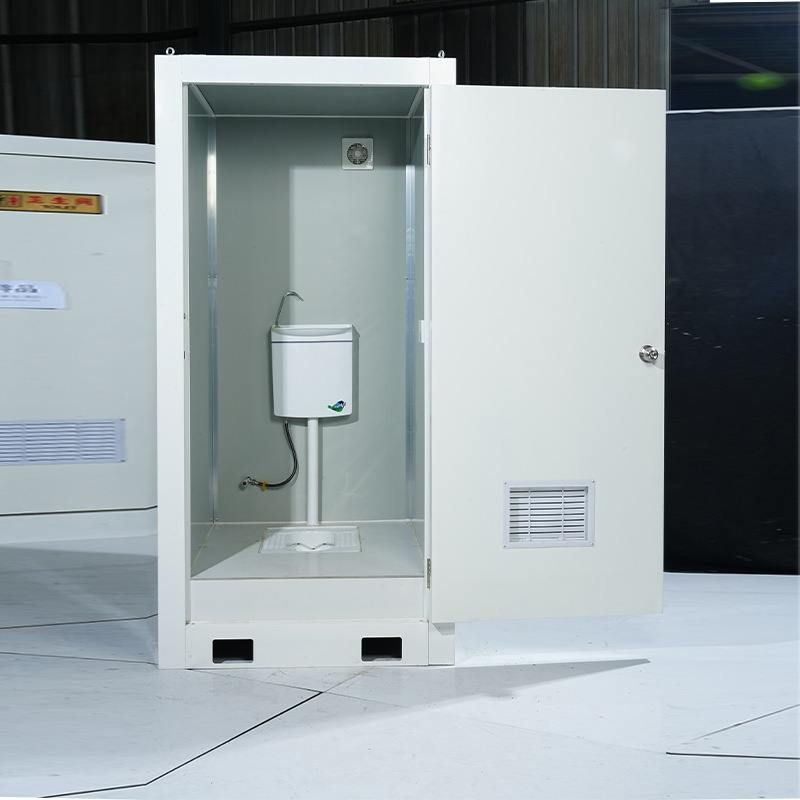
Mobile Public Toilets: They typically undergo a rigorous approval process. Firstly, planning and site selection approval are crucial steps, ensuring compliance with overall land use planning and urban-rural planning, and obtaining a planning site selection opinion. Secondly, land use approval is also essential, requiring an application for land use to the land and resources management department and approval from the county-level people's government. Finally, construction project approval involves reviewing design plans, examining construction drawings, and handling construction permits, among other aspects. These approval processes ensure the legality and compliance of mobile public toilets, safeguarding public interests and the smooth implementation of urban planning.
Container Mobile Toilets: Their approval requirements depend on the usage scenario and land nature. If a container mobile toilet occupies public spaces or involves business operations, it is considered within the scope of buildings and requires legal declaration and approval. For temporary usage, it is generally necessary to report to the event organizer or venue management and may obtain temporary permission. If it involves changing land use, a land use change application must be submitted first. Building a container mobile toilet in public areas requires permission from urban planning departments, urban management departments, etc. If used for commercial purposes, in addition to land use change approval, relevant procedures such as business licenses and health permits must also be completed.
Vehicle-mounted Mobile Toilets: Their approval process focuses on basic administrative approvals and operational-related procedures. Basic administrative approvals include special vehicle registration, temporary road occupation permits, health permits, and environmental protection approvals. Operational-related procedures involve determining business licenses and business scopes, as well as event reporting. Additionally, vehicle-mounted mobile toilets must meet installation and maintenance requirements, such as connecting water, electricity, and sewage, and undergoing safety and fire inspections, to ensure their normal operation and safety.



