
Back to blog
Article
Mobile Toilet and Bathroom Design
Admin September 23, 2026
The design of mobile toilets and bathrooms can refer to creative cases using water storage barrels, optimizing the design by combining their structural composition and classification characteristics. The specific design ideas and key points are as follows:
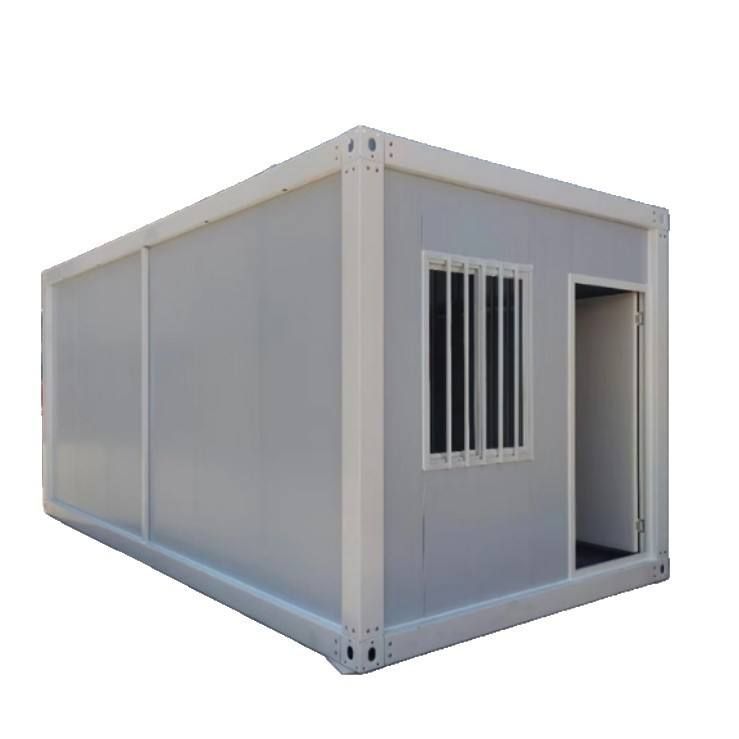
I. Basic Structural Design
- Main Frame: Select a high-density polyethylene water storage barrel as the core material, and cut it in half along the central axis with an angle grinder to form an upper and lower structure. The lower part serves as the base container, while the upper part is flipped over to serve as the roof.
- Mobile Device: Install universal wheels at the four corners of a wooden board, and fix it to the outside of the barrel with wooden strips and self-tapping screws to ensure even weight distribution and flexible movement.
- Walls and Door Frame: Cut a rectangular opening on the side of the barrel as the doorway, embed sponge strips to construct a sealed door frame, and cover the outside with plastic soft boards to form an elevated wall, enhancing wind resistance and privacy. The roof part needs to be sealed with waterproof glue at the joints and painted with white waterproof paint to enhance aesthetics and corrosion resistance.
II. Indoor Functional Devices
- Drainage System: Drill holes at the bottom of the barrel to install a drain pipe to form a floor drain, connecting to an external sewage barrel; drill holes on the side to connect to a three-way joint, extending to a showerhead, sink, and toilet tank respectively, achieving water recycling.
- Water Storage Device: Invert a small plastic barrel on the roof, and connect water pipes through side holes and bottom holes to form a simple water storage tank, providing water for showers and toilet flushing.
- Sanitary Ware: Place the toilet directly above the floor drain, fix it with glass glue, and connect it to the tank; hang the showerhead from the water inlet pipe below through a three-way joint; the sink's water inlet pipe extends from the doorway and needs to be equipped with a valve to control water flow.
- Alternative to Bathroom Heater: Use waterproof heating lamps or small warm air blowers instead of traditional bathroom heaters, fixed to the inside of the roof to ensure electrical safety.
III. Structural Classification and Applicable Scenarios
- By Structural Form:
- Single Structure: Suitable for independent use, such as outdoor camping or temporary construction sites, allowing for quick assembly and disassembly.
- Composite Structure: Integrates multiple functional modules (such as showers, toilets, and sinks), suitable for large-scale events or post-disaster relief.
- By Moving Method:
- Lifting/Handling Type: Relies on mechanical handling, suitable for long-term use at fixed locations.
- Powered/Trailer Type: Equipped with an engine or trailer device, capable of autonomous movement, suitable for touring performances or transportation hubs.
- By Sewage Treatment Method:
- Water Flush Type: Requires connection to a water source and sewage system, suitable for areas with infrastructure.
- Dry Pack Type: Uses biodegradable bags to collect feces, requiring no water source, suitable for water-scarce or environmentally demanding scenarios.
IV. Design Optimization Suggestions
- Add ventilation openings and exhaust fans to solve the odor problem in enclosed spaces.
- Use lightweight but sturdy materials (such as aluminum alloy frames) instead of wooden boards to extend service life.
- Modular design facilitates maintenance and upgrades, such as detachable toilets or water storage devices.
- For extreme climates, add insulation layers or sunscreen coatings to enhance environmental adaptability.
Related
You may also like

27Oct
Portable Toilet Eco-Friendly: MOQ, Samples & Quotation Guide
Read More
27Oct
Top Portable Toilet Color Steel Manufacturers: How to Choose a Factory Partner
Read More27Oct
Portable Toilet Picture: Types, Features & Buying Tips
Read More
27Oct