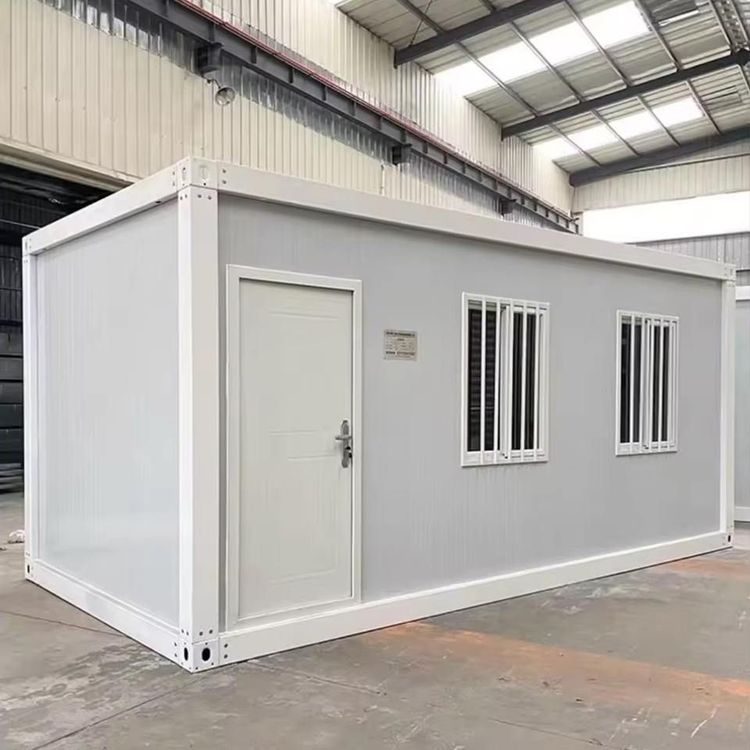
Mobile Toilet Advertising: Earning Millions Annually
The mobile toilet advertising project can achieve annual earnings of millions through a scientific operational model, with its core logic lying in advertising revenue as the dominant source, diversified cooperation for added value, and economies of scale for cost reduction and efficiency enhancement, supported by case studies to verify feasibility.
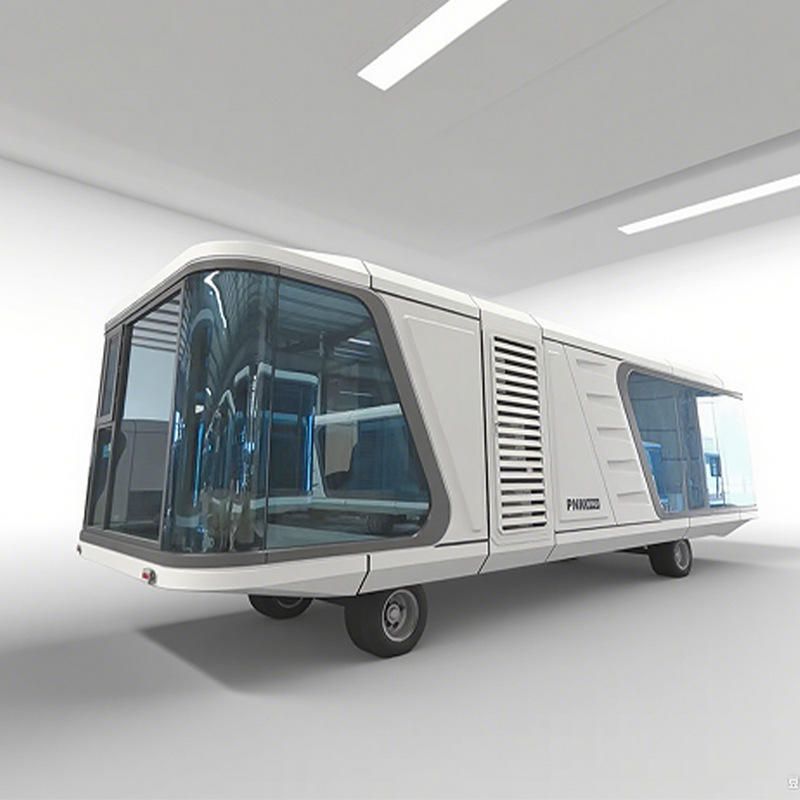
1. Advertising Revenue as the Core Profit Point
Advertising placement is the primary source of income for mobile toilet advertising projects. Hans Wall, a German company, secured contracts for free public toilets and placed advertisements on exterior walls, interior spaces (such as stall doors and sinks), and even toilet paper, covering high-traffic areas and generating annual advertising revenue in the hundreds of millions. A Chongqing-based advertising company focused on restrooms in high-end entertainment venues, installing advertising frames beside sinks and above urinals, covering 15,000 to 20,000 spots across 2,000 venues with a potential value exceeding 10 million yuan, ultimately achieving annual earnings of 5 million yuan. The key lies in precisely selecting high-exposure scenarios and attracting brand partnerships through high-frequency, low-interference advertising formats.
2. Diversified Cooperation Models to Expand Revenue
In addition to advertising, the project can increase income through the following methods:
- Telecommunications Partnerships: Install public phones in restrooms and share revenue with operators based on call duration or data usage. In the German case, this segment contributed significantly to income.
- Catering Rebates: Collaborate with nearby restaurants to distribute coupons. Users can redeem these coupons for discounts, and restaurants provide rebates based on the amount spent, creating a closed loop of “traffic-to-consumption.”
- Paid Services: Offer value-added services such as personal care products (e.g., sanitary pads, wet wipes), baby diapers, music, and reading materials to meet specific needs and enhance user stickiness.
3. Scalable Operations and Cost Control
- Spot Quality Determines Revenue Ceiling: Advertising spots in high-quality business districts and transportation hubs have higher value, with annual revenue per toilet stall ranging from thousands to tens of thousands of yuan. For example, in second-tier cities, the average annual maintenance cost per spot is about 24,000 yuan, but annual revenue can reach 60,000 to 90,000 yuan, with an investment payback period of approximately 3-5 months.
- Economies of Scale Reduce Marginal Costs: When operating 50-100 spots, bargaining power increases significantly, allowing for bulk purchases of advertising materials and optimized maintenance team allocation. This keeps operational costs at around 40% of revenue, ensuring a healthy net profit margin.
4. Case Studies Validate Feasibility
Hans Wall generated 300 million yuan annually through advertising, telecommunications, catering partnerships, and paid services. The Chongqing company started with 500,000 yuan in capital and achieved annual earnings of 5 million yuan within five years, attracting venture capital attention. These cases demonstrate that projects must adapt strategies to local markets, such as prioritizing high-consumption scenarios and optimizing advertising formats (e.g., replacing static posters with dynamic screens) to boost revenue.
In conclusion, the mobile toilet advertising project has the potential to earn millions annually through a model of “advertising-led + diversified value-added + scalable cost reduction.” However, success depends on precise location selection, cost control, and continuous innovation in partnership formats.