
Mobile Toilet Advertising Drawing Methods and Images
The drawing methods for mobile toilet advertisements can be achieved through custom hand-drawing or design templates, depending on the specific needs of the scene and creative design.
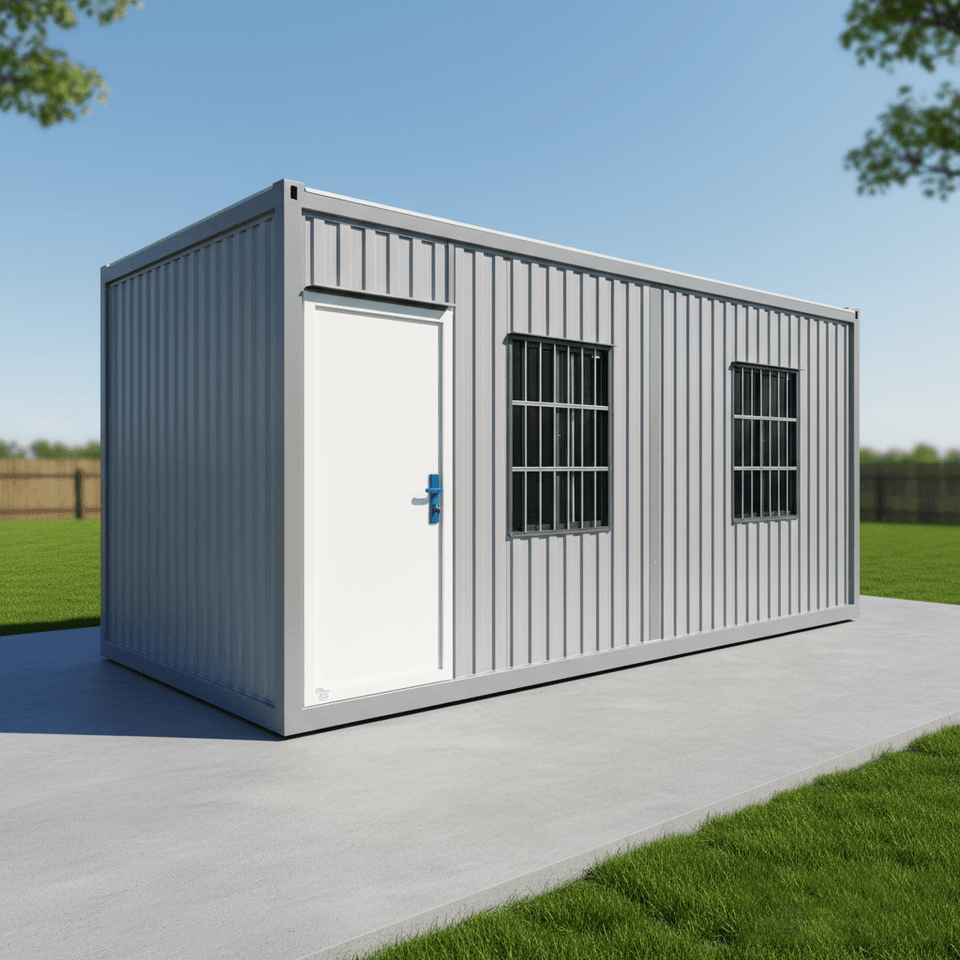
1. Characteristics of Hand-Drawn Mobile Toilet Advertisements
Hand-drawn mobile toilet advertisements focus on personalized customization, suitable for themed scenes or specific functional requirements. For example, a two-stall apple-shaped toilet can be paired with a public sink, highlighting its fun and practicality through hand-drawing to attract children or families. Scenes like children's parks or theme parks can incorporate cartoon elements, vibrant colors, or themed designs (such as forest or space themes) to enhance visual appeal. The creation of hand-drawn advertisements should be adjusted flexibly according to customer requirements, from shape and color to functional layout, while paying attention to proportional harmony and scene adaptability. For instance, hand-drawn designs for toilets in children's parks should avoid sharp lines and use rounded shapes to reduce safety hazards.
2. Advertising Applications of Design Templates for Mobile Toilets
Design templates offer advantages in efficiency and flexibility, providing materials in various formats (such as psd, ai, cdr, jpg, png) that support secondary editing or one-click color changes in AI design. These templates typically include standardized structures (such as doors, windows, ventilation openings) and replaceable elements (such as backgrounds, logos, promotional messages), making them suitable for quickly generating advertising solutions. For example, advertisements for mobile toilets on commercial streets can replace the background with a city nightscape and add promotional information through templates; toilets in scenic spots can incorporate natural elements (such as mountains, water, leaves) and environmental protection slogans to strengthen brand tone. When using templates, attention should be paid to copyright compliance, prioritizing open-source or licensed materials to avoid infringement risks.
3. Core Principles of Advertising Design
Whether hand-drawn or template-based, the following principles should be followed:
- Functional Visualization: Showcase the internal layout of the toilet (such as stalls, sinks, barrier-free facilities) through perspective or sectional views to enhance user trust.
- Color Psychology: Use high-saturation warm colors (such as orange, yellow) for children's scenes, and neutral colors (such as gray, white) paired with brand primary colors for commercial scenes.
- Information Hierarchy: Highlight the main title (such as "Eco-Friendly Mobile Toilet") and keep auxiliary information (such as contact details, service scope) concise and clear to avoid information overload.
4. Scene-Based Creative Directions
For different scenes, advertising designs can incorporate distinctive elements:
- Music Festivals/Exhibitions: Use graffiti styles or fluorescent colors, paired with event-themed slogans.
- Disaster Areas/Temporary Settlement Points: Highlight functional keywords like "rapid deployment" and "hygiene guarantee," with a color palette dominated by calming blues and greens.
- High-End Communities: Combine minimalist lines with metallic textures to convey a brand image of "intelligence" and "cleanliness."
Through custom hand-drawing or template optimization, mobile toilet advertisements can balance practicality and artistry, effectively enhancing user experience and brand recognition in target scenes.
You may also like
Portable Toilet Container in 2026: Buying Guide & Recommendations
Read More
Portable Toilet Color Steel Custom & OEM: Design & Bulk Production Guide
Read More
Portable Toilet Color Steel: Top Options & Considerations
Read More