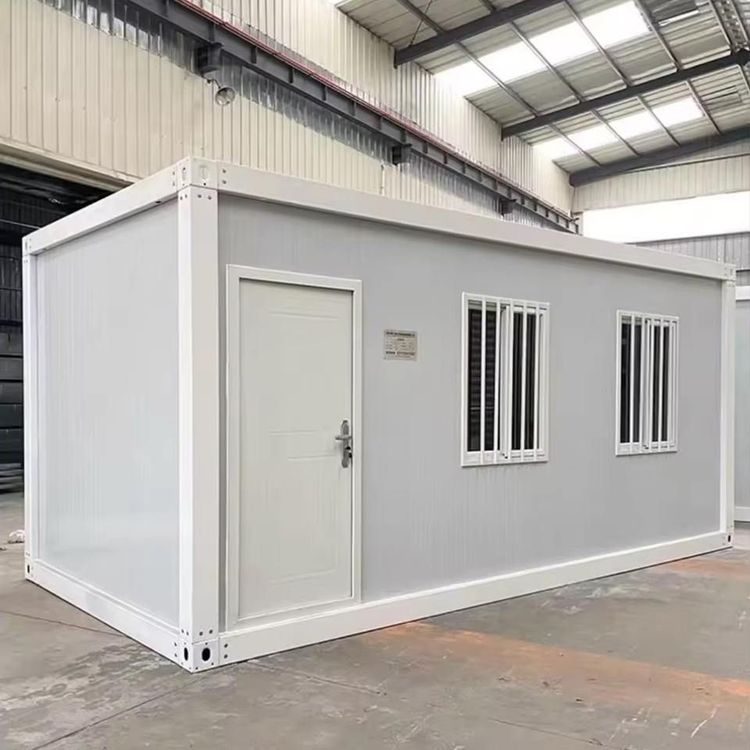
Mobile Toilet Accidental Towing Incident
The mobile toilet accidental towing incident occurred because the transport driver failed to conduct a clearance inspection, resulting in a toilet in use, along with a woman inside, being towed onto the highway, exposing loopholes in transport management.

Incident Details: On May 11, 2025, a woman entered a mobile toilet. Due to the toilet's good sound insulation, she did not notice any external activity. The transport driver started the vehicle without conducting a clearance inspection, causing the woman and the toilet to be towed onto the highway. While the vehicle was in motion, the woman noticed the highway through a door crack and called for help. Vehicles behind honked to alert the truck driver, who then made an emergency stop. Eventually, the woman was rescued with the assistance of traffic police and firefighters.
Public Reaction: The incident sparked widespread discussion. The main criticism focused on the negligence of transport staff who failed to check if anyone was inside the toilet. Some netizens jokingly referred to the incident as the 'toughest hitchhiking ride.' Others raised questions about details such as the quiet loading process and the woman's delayed call for help.
Exposed Issues: The incident revealed multiple loopholes in the management of mobile toilet transportation. Operational Randomness: The transport driver did not follow the clearance inspection procedure, highlighting safety risks in a transport model reliant on manual checks. Lack of Inspection Mechanisms: Data from the Ministry of Culture and Tourism shows a 37% increase in the use of temporary toilets at scenic spots, yet the transport process still relies on manual methods without standardized inspection procedures. Broken Chain of Responsibility: The management did not clearly define the responsible party in the transport process, leading to weak awareness of responsibility among operators. Insufficient Process Visibility: A report from the Ministry of Emergency Management points out that 23% of public facility accidents stem from a lack of process visibility. In this case, the loading process lacked real-time monitoring or warning devices.
Improvement Directions: Technological Upgrades: Drawing on the pressure sensors used in temporary toilets at the Tokyo Olympics and the intelligent recognition systems of mobile medical stations in Singapore, domestic IoT sensors costing around 50 yuan each can be used to monitor toilet usage status in real-time. Process Reconstruction: Establish a 'full-process traceability' mechanism, using electronic tags or blockchain technology to connect scenic spot purchasers with transport companies, forming a closed loop of responsibility. Strengthened Management: Formulate operational standards for mobile toilet transportation, requiring drivers to confirm that no one is inside the toilet through visual inspection or knocking before starting the vehicle, and incorporate this into industry regulatory assessments.