
Mobile Toilet Accessory Fecal Storage Tank
The mobile toilet accessory fecal storage tank is a crucial component for storing fecal wastewater. Regular cleaning ensures its continued use, and the material, specifications, and compatibility type should be selected based on specific needs.
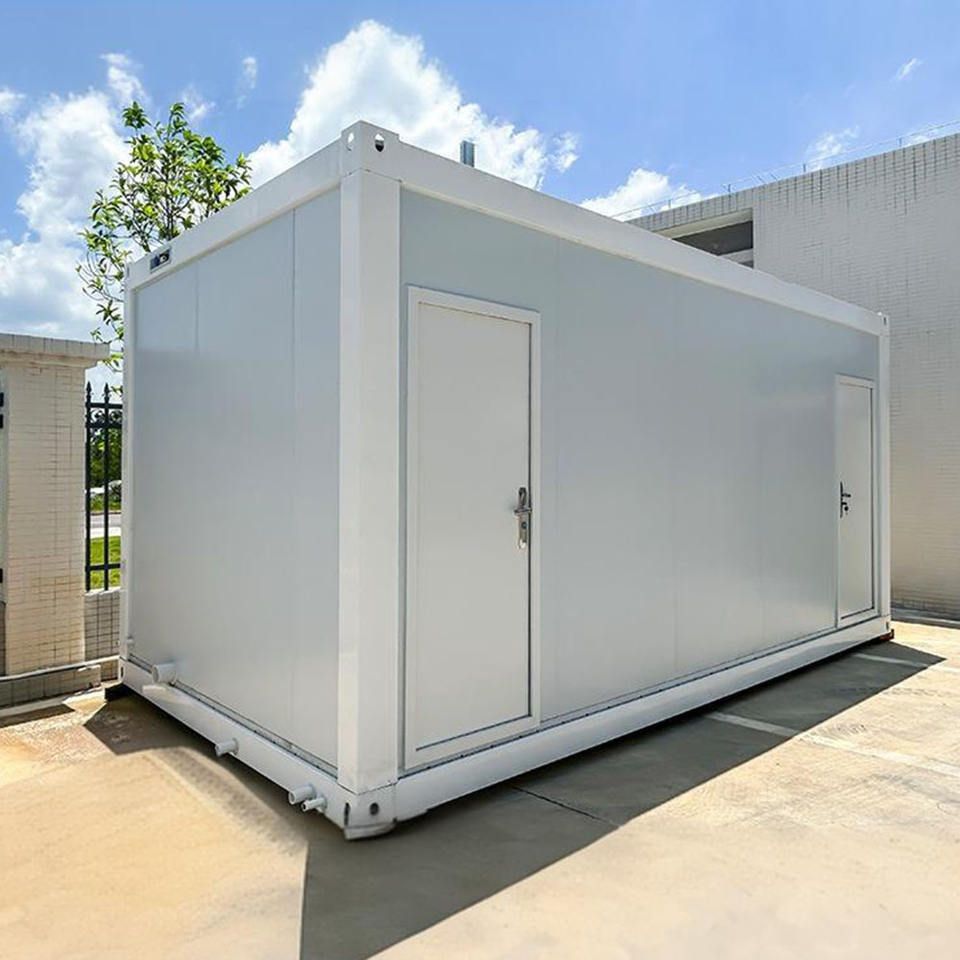
Core Functions and Compatibility Types of Fecal Storage Tanks
The fecal storage tank is a core part of mobile toilets, primarily functioning to temporarily store feces and wastewater, preventing direct discharge from polluting the environment. Its compatibility varies depending on the toilet type:
- Dry-packing mobile toilets: Typically equipped with a fecal storage tank, these toilets use dry-packing technology to seal and store feces without the need for water flushing or electricity, making them suitable for scenarios without water or power supply (such as in the wilderness or at temporary events).
- Other types: Water-flushing and non-water-flushing suction-type, as well as circulating water-flushing mobile toilets, may employ other treatment methods (such as septic tanks or biodegradation). However, dry-packing types have the highest dependency on fecal storage tanks.
Material Selection and Characteristics
The material of the fecal storage tank directly affects its durability, corrosion resistance, and cost. Common materials include:
- Stainless steel: For example, full 304 stainless steel offers corrosion resistance, high strength, and easy cleaning, making it suitable for long-term use or high-humidity environments, though at a higher cost.
- Plastic: Lightweight and cost-effective, but it is essential to choose aging-resistant materials such as high-density polyethylene (HDPE) to prevent embrittlement from long-term exposure.
- Fiberglass-reinforced plastic (FRP): Combining the advantages of glass fibers and resin, FRP offers corrosion resistance, lightweight construction, and long lifespan, commonly used in mid- to high-end products.
- Color-coated steel/steel structure: High in strength but prone to rust, requiring anti-rust coatings for use, suitable for short-term or low-cost needs.
- Aluminum-plastic composite panel: Combining the benefits of metal and plastic, it offers moisture and fire resistance, though at a higher cost, often used in scenarios with high aesthetic requirements.
Specifications and Customization Services
The specifications of the fecal storage tank should be determined based on the overall design of the mobile toilet and the number of users:
- Height range: Common specifications range from 2.3m to 2.9m, with specific dimensions needing to match the toilet space and the operational requirements of cleaning equipment (such as fecal suction trucks).
- Capacity customization: Some manufacturers support custom capacity based on demand, such as adjusting the tank volume according to event duration or foot traffic to avoid frequent cleaning.
- Material and size adjustments: Customers can propose personalized needs based on budget and usage environment (such as prioritizing stainless steel in coastal areas with high salt spray), with manufacturers achieving a balance between functionality and cost through processing and customization.
Maintenance and Cleaning Points
The fecal storage tank requires regular cleaning to prevent overflow or odor diffusion, with the cleaning frequency depending on the number of users and the toilet type. For dry-packing toilets, the fecal storage tank should be cleaned with sealed fecal bags to avoid secondary pollution; other types may require the use of suction equipment or biodegradable agents.



