What Are the Accessories for Mobile Toilets
The accessories for mobile toilets are designed around the needs of hygiene, convenience, and durability, covering seven major categories: core sanitary fixtures, environmental control, water supply and drainage and power systems, structural components, special-scenario expansions, emergency safety, and additional services. Details are as follows:
Core Sanitary Fixtures
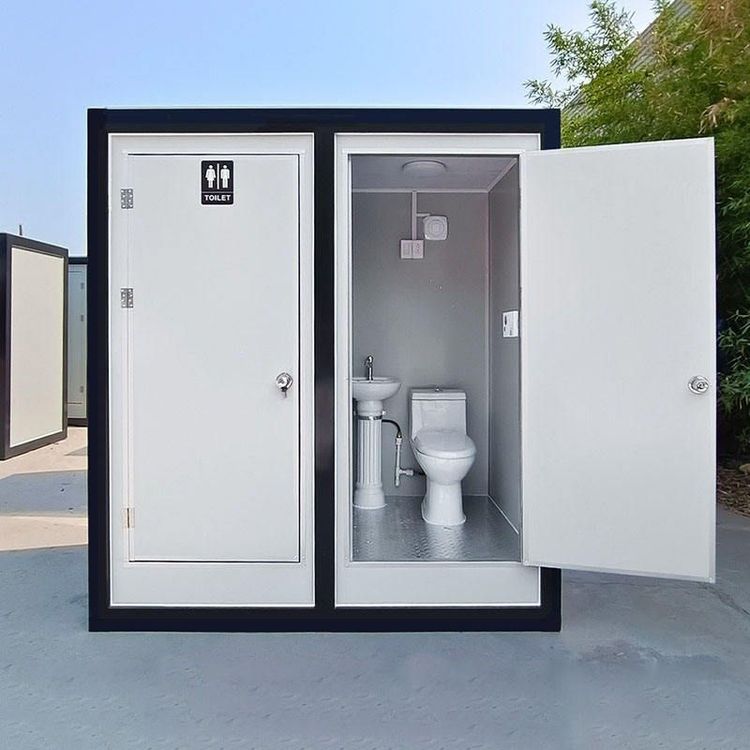
- Toilets: Primarily ceramic squat toilets or sit-down toilets, with high-end products using stainless steel materials. They are equipped with foot-operated or sensor-operated flush valves, with water tank capacities ranging from 5 to 10 liters, balancing water conservation and cleaning efficiency.
- Handwashing Systems: Include ceramic or stainless steel hand basins (30-40 cm wide), push-button or sensor-operated faucets, and water storage tanks. Some are equipped with mirrors, coat hooks, storage shelves, toilet paper holders, and trash bins to enhance convenience.
- Special Accessories: High-specification products are equipped with child safety seats or toilet seat rings, and barrier-free facilities include low-positioned hand basins to meet the needs of special populations.
Environmental Control Systems
- Ventilation Systems: Utilize 20-50 watt high-power exhaust fans, with air exchange rates of 10-15 times per hour. Some designs feature dual exhaust to enhance air circulation.
- Lighting Systems: Primarily use 5-15 watt LED energy-saving lights, with some equipped with emergency lights or human-body induction switches to reduce energy consumption and enhance safety.
- Temperature Control Systems: In cold regions, insulation materials, electric heaters, or warm air blowers are installed; in hot regions, ventilation skylights or small air conditioners are added to adapt to different climatic conditions.
Water Supply and Drainage and Power Systems
- Water Supply Systems: Equipped with built-in 100-300 liter water tanks or connected to municipal water pipes to ensure water supply stability.
- Sewage Systems: Traditional sewage tanks have capacities of 200-500 liters, or use environmentally friendly foam sealing or microbial degradation technologies to reduce pollution.
- Power Systems: Support 220V mains power connection, built-in batteries (e.g., 12V/100Ah), or solar panel power supply, providing flexibility for scenarios without power access.
Structural Components and Accessories
- Door Locks and Indicators: Equipped with secure door locks, 'Occupied/Unoccupied' indicator locks, or LED displays to enhance privacy protection and usage guidance.
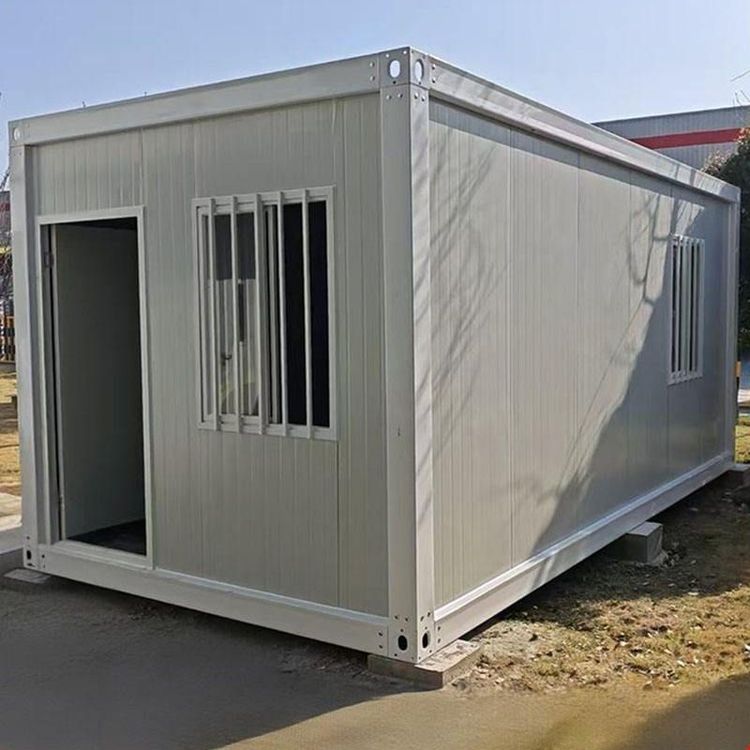
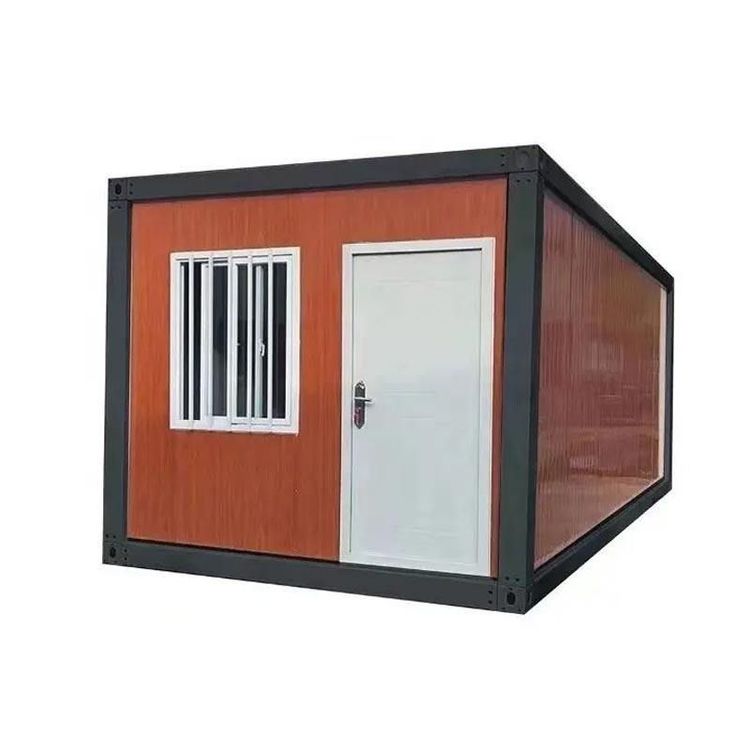
- Materials and Flooring: Wall panels are made of high-density polyethylene (HDPE), fiberglass, or color-coated steel plates; flooring consists of non-slip floors or fiberglass floor grilles to ensure durability and safety.
- Barrier-Free Facilities: Include handrails, wheelchair turning spaces, and low-positioned hand basins, complying with barrier-free design standards.
Special-Scenario Expansion Configurations
- Baby Care Room Functions: For large-scale events, baby changing tables, bottle warmer sockets, and privacy curtains are added to meet family needs.
- Deodorization Systems: Utilize activated carbon deodorization devices or intelligent deodorization technologies (e.g., photocatalysts) to effectively suppress odors.
- External Signage: Includes gender signs, regional cultural element patterns, guide signs, or QR codes to enhance visibility and cultural integration.
Emergency and Safety Configurations
- Equipped with emergency call buttons, emergency lighting, fire extinguishers, non-slip pedals, and handrails (for slip resistance in rainy weather). In winter, heated toilet seats (with power supply compatibility confirmation) are optional to comprehensively ensure usage safety.
Additional Service Options
- Provide scheduled cleaning, free toilet paper replenishment, and sewage recovery systems (suitable for long-term events) to reduce maintenance costs and enhance user experience.
Industry Standard Reference: When purchasing, attention should be paid to national standards such as GB/T 26963-2011 Mobile Toilets, focusing on verifying sealing, odor control performance, insulation effects, and the brands of core components to ensure quality compliance.