Mobile Toilet Charges 10 Yuan Per Use
It was reported that a mobile toilet by the seaside in Fuzhou, Fujian, charged 10 yuan per use, but the price has now been adjusted and the container is temporarily out of service. Here are the details:

Charging Situation and Reasons
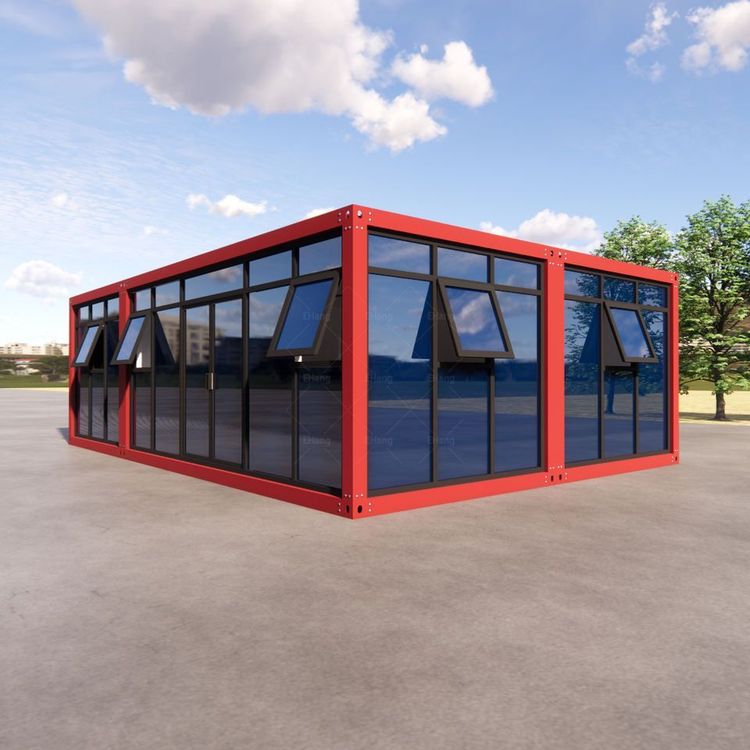
On the seaside in Fuzhou, Fujian, there was once a container-style mobile public toilet that combined a toilet, shower, and vending machine. Its charging standard was revealed to be 10 yuan per use, with a time limit. Initially, the operator set the price at 6 yuan. However, due to the mobile toilet's location by the seaside, it attracted a large number of tourists and had an extremely high usage frequency, significantly increasing the difficulty of toilet cleaning. To cope with the rising cleaning costs and maintain a normal usage environment for the toilet, the operator raised the price to 10 yuan and clearly marked the charging standard so that users could be well-informed.
Price Adjustment and Subsequent Impacts
Nevertheless, this charging behavior drew public attention and sparked discussions. Perhaps considering factors such as public feedback and market acceptance, the operator subsequently adjusted the price from 10 yuan to 2 yuan. Unfortunately, due to the previous charging incident spreading on the internet and other channels, causing a significant public opinion impact, the container-style mobile public toilet has now been temporarily suspended from use. This outcome not only affects tourists' basic toilet needs in the area but also has a major impact on the operator's business plans.
Event Insights
From this incident, it can be seen that the charging issue for public facilities requires comprehensive consideration of multiple factors. On one hand, operators need to take into account their own operating costs, including expenses for cleaning and maintenance. Reasonable charging can, to a certain extent, ensure the normal operation and service quality of the facilities. On the other hand, the charging for public facilities should also meet public expectations and acceptance levels. Excessive charging may trigger public dissatisfaction and质疑 (doubts). Meanwhile, when adjusting charging standards, operators should communicate with the public in a timely and effective manner to avoid unnecessary disputes caused by information asymmetry.