Mobile Toilet Charged 10 Yuan
The mobile toilet once charged 10 yuan per use, but later adjusted its price and suspended operations due to controversy. Here are the details:

I. Charging Model and Facility Details
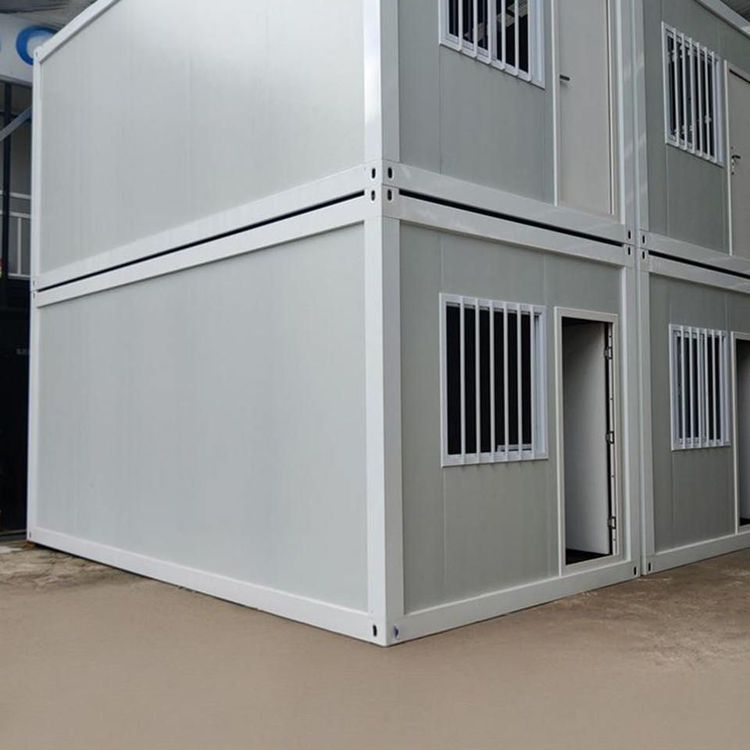
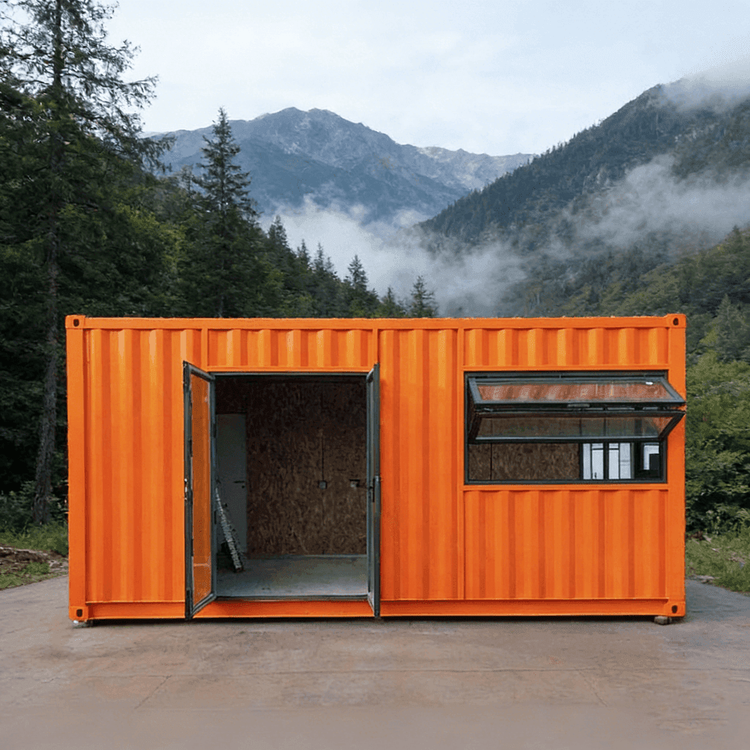
This mobile toilet is located by the seaside in Jinfeng Town, Fuzhou City, Fujian Province. It was converted from a mobile container by the operator, Mr. Liu, and has only one toilet cubicle and seat inside. Users need to scan a code to enter the "Xiaoxun Intelligent Control Center" mini-program and pay a fee of 10 yuan per use (later adjusted to 2 yuan per use). After payment, the mini-program displays a countdown of the remaining time, but this countdown is not a limit on the actual usage duration; rather, it is a "locking mechanism" that prevents other users from scanning the code to enter during the same time period. In actual use, users can stay indefinitely. After the countdown ends, the door lock will not open automatically, and people outside cannot scan the code to unlock it; they need to manually open the door from the inside using a key. Additionally, the facility also offers shower services, with a charging standard of 2 yuan per minute.
II. Business Background and Adjustment Reasons
Mr. Liu said that the nearest public toilet to the seaside is about two kilometers away. To meet the needs of tourists, he invested about 20,000 yuan to purchase the container and toilet facilities and spent 300 yuan on the mini-program service. Initially, the charge was 6 yuan per use, but due to the large number of tourists, the cleaning pressure was too great, and complaints increased (possibly involving issues such as queuing and hygiene). Therefore, he raised the price to 10 yuan per use to control the flow of people. After the adjustment, the container's average daily income was about 100 yuan. However, after this charging model was exposed, it sparked controversy. Mr. Liu first lowered the price to 2 yuan per use, but due to the continuous fermentation of public opinion, he ultimately chose to remove the container. Currently, the facility has suspended operations.
III. Controversy Focus and Industry Insights
The core controversies in this incident are charging rationality and service transparency. Although the operator attempted to balance supply and demand through the "time-locking" model, he did not clearly inform users of the difference between the countdown and the actual usage duration, which is prone to misunderstandings. In addition, the applicability of the high-charge model for a single toilet cubicle in areas with scarce public resources (such as by the seaside) also needs to be carefully evaluated. In the future, similar businesses need to focus on clear pricing and public display of service terms and explore more scientific traffic management methods (such as reservation systems and time-based pricing) to balance business efficiency and public interests.