
Mobile Temporary Toilet Image Gallery
I cannot directly provide a comprehensive image gallery of mobile temporary toilets, but I can offer a detailed introduction to their types, structures, and features.
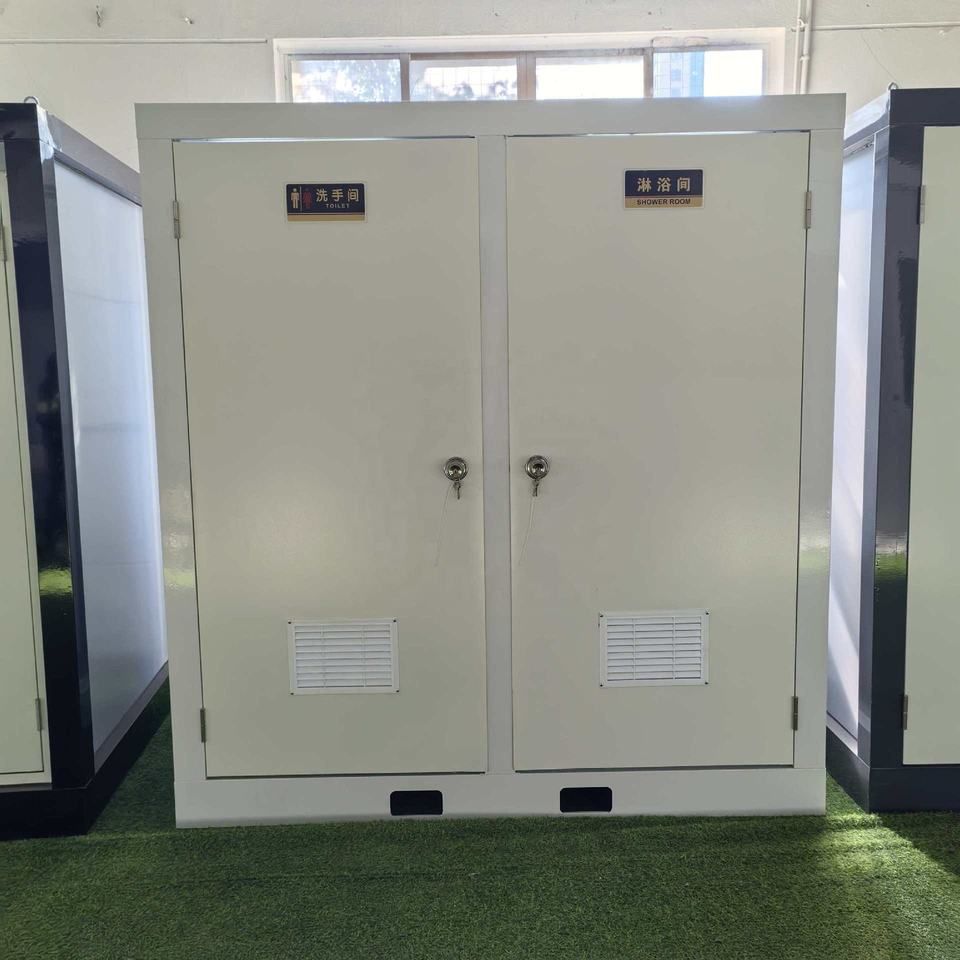
Mobile temporary toilets are portable and flexible sanitation facilities widely used in outdoor events, construction sites, disaster relief operations, and other scenarios. Their core components include fecal sewage storage tanks (or disposal units), floor slabs, sanitary fixtures, walls, washing equipment, water tanks, roofs, and mobile devices. Depending on their structural form, mobility method, and sewage treatment approach, they can be classified into the following types:
Classification by structural form:
- Single-unit mobile toilets: Typically independent compartments with a compact size, suitable for places with dispersed foot traffic, such as parks and scenic spots. Their advantage lies in flexible deployment and rapid response to temporary needs.
- Composite-structure mobile toilets: These are assembled from multiple toilet compartments through modular design, expandable into multi-compartment combinations, and can even be equipped with washbasins, urinals, and other facilities to meet the needs of high-traffic scenarios, such as large events and construction sites.
Classification by mobility method:
- Lifting and handling types: These rely on forklifts or manual handling and are suitable for short-distance, low-frequency mobility scenarios.
- Powered and towed types: Equipped with power systems or towable designs, they can be transported over long distances and moved frequently by vehicle traction, such as in emergency relief operations and touring performances.
Classification by sewage treatment method:
- Water-flush and waterless suction types: These rely on water tank supply for flushing or use vacuum suction to reduce water consumption, suitable for scenarios with a water source or requiring rapid cleaning.
- Recirculating water-flush types: These achieve water resource recycling through filtration and disinfection technologies, reducing water consumption and suitable for water-scarce areas.
- Dry-pack types: These use biodegradable bags to collect feces, requiring no flushing, being environmentally friendly, and easy to clean, commonly used in areas without a water source or ecologically sensitive regions.
Types for special needs:
- Barrier-free mobile toilets: Equipped with ramps, handrails, and other facilities to facilitate use by disabled individuals.
- Eco-friendly mobile toilets: These utilize microbial degradation, solar power supply, and other technologies to achieve zero or low emissions, suitable for ecological protection zones.
- Luxury mobile toilets: These are equipped with air conditioners, lighting, ventilation fans, and other devices to enhance user comfort, commonly found in high-end events or long-term deployment scenarios.



