Back to blog
Article
Mobile Snack Cart with Toilet
Admin October 11, 2026
Mobile snack carts with toilets come in various types and prices, depending on their functions, specifications, and customization by manufacturers.

I. Common Types and Price Ranges
- Basic Customized Type
Some manufacturers offer customized services combining electric food carts, pushcarts for street vending, and mobile toilets, such as customized plans for spicy hot pot snack carts, priced at approximately ¥13,500. These models typically focus on basic catering functions, with the toilet module as an additional feature, suitable for single-person or small-scale operations. - Multi-functional Integrated Type
Multi-functional mobile snack carts (such as internet-famous food carts and breakfast carts) can integrate cooking equipment, storage space, and mobile toilets, supporting scenarios like clothing sales and mobile vending. These models are priced at around ¥8,800, offering more comprehensive functions, though the toilet space may be relatively small, suitable for short-term mobile operations. - Economic Wholesale Model
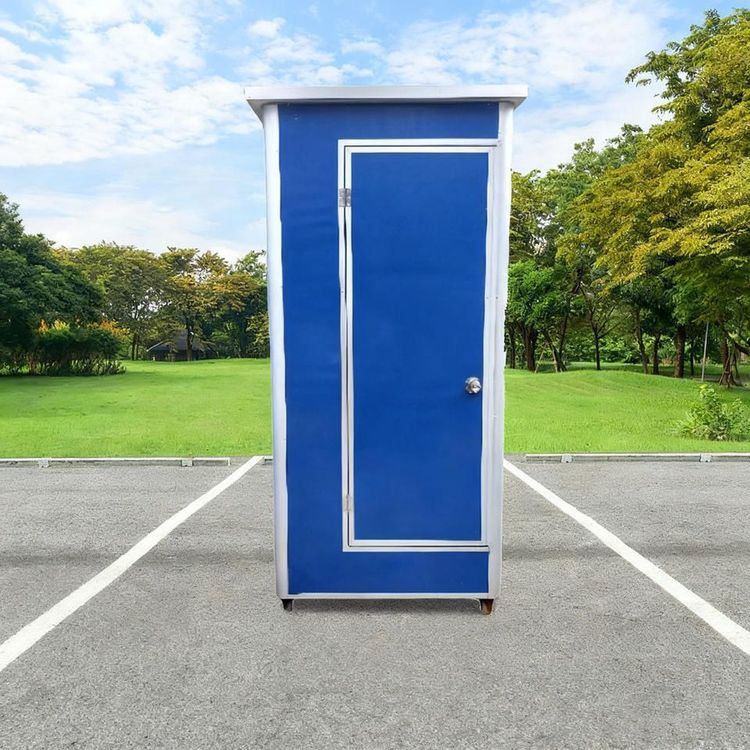
Some manufacturers offer independent wholesale and retail services for mobile toilets, with prices as low as ¥1,447. These products only include the toilet module, requiring users to pair them with food carts themselves, suitable for scenarios with limited budgets and clear toilet needs. - Electric Optimized Type
Brands like Youya Electric Snack Cart combine mobile food carts with toilets and optimize the electric drive system, priced at approximately ¥4,500. These models offer a more balanced approach in terms of power and space layout, suitable for medium- to long-distance mobile operations.
II. Core Factors Affecting Price Differences
- Functional Complexity: Models integrating cooking equipment, storage cabinets, and water-electricity systems are significantly more expensive than simple models with only a toilet.
- Materials and Craftsmanship: Configurations like stainless steel bodies, anti-slip floors, and sealed toilets increase costs.
- Customization Needs: Non-standard sizes, brand logos, and special equipment (such as air conditioners and generators) require additional fees.
- Manufacturer Scale: Large manufacturers may offer lower prices due to mass production advantages, but with less flexibility in customization compared to small workshops.
III. Purchase Recommendations
- Clarify Needs: Choose a model with functions matching your business type (such as breakfast or night market) to avoid over-configuration.
- On-site Inspection: Prioritize manufacturers offering trial use of sample carts to confirm details like toilet space and drainage systems.
- Compare After-sales Services: Inquire about warranty periods, spare parts supply, and maintenance services to reduce long-term usage costs.
- Compliance Check: Ensure the vehicle meets local mobile business licensing requirements to avoid legal risks.
Related