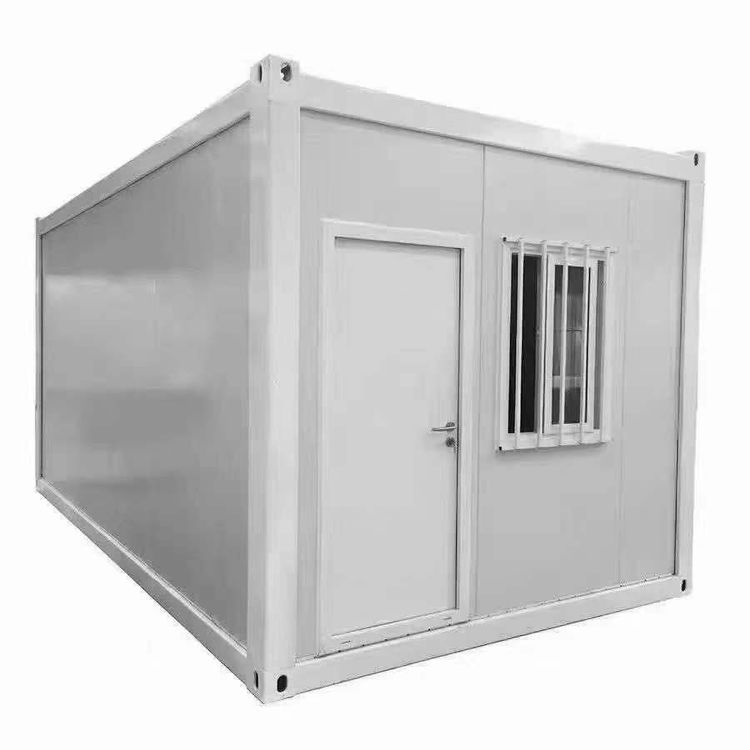
Mobile Snack Cart Renovated to Toilet
The renovation of a mobile snack cart into a toilet requires professional customization. Currently, there are cases of snack carts in the market that can integrate toilet functions, but key issues such as water supply, sewage disposal, and structural load-bearing need to be addressed.

I. Existing Integrated Solutions for Reference
Off-the-shelf Snack Cart Cases
The "Youya Electric Snack Cart" by Shandong Youya Vehicle Co., Ltd. has integrated toilet functionality, priced at 4,500 yuan per unit, demonstrating the technical feasibility verified by the market. This solution may adopt a simple toilet or a portable sewage tank, suitable for low-frequency usage scenarios.
The aluminum alloy mobile toilet by Shenzhen Xinsu Environmental Protection Technology Co., Ltd. can be combined with snack cart modules, priced at 9,999 yuan per square meter, suitable for scenarios with high space separation requirements, but with higher costs.
The "Apple Cabin Homestay Snack Cart" by Shandong Cheyijia Crafts Co., Ltd. includes a container-style toilet, priced at 6,666 yuan per unit, featuring standardized modular design and potentially a more complete sewage disposal system (such as a septic tank or external sewage connection).Customized Production Capabilities
Manufacturers in Henan have showcased solutions for irregularly shaped mobile toilets, indicating their technical reserves in space reconstruction. Such manufacturers can perform structural modifications on existing snack carts, such as reinforcing the chassis and replanning the internal layout (e.g., converting the original storage area into a toilet), but must ensure that the total weight after modification does not exceed the original vehicle's load-bearing limit (e.g., the Xi'an Jinyonghong snack cart has a load capacity of 1,600 kg).
II. Key Technical Parameters for Renovation
Water Supply System
It is necessary to add a freshwater tank (recommended capacity ≥100L) and a sewage tank (recommended capacity ≥50L), and equip them with manual or electric water pumps. If a flush toilet is used, an independent drainage pipe should be designed to avoid cross-contamination with the food processing area.Sewage Disposal
- Portable Solution: Use a detachable sewage tank for regular manual cleaning (suitable for low-traffic scenarios).
- Fixed Solution: Connect to municipal sewage pipes (requires site support) or incorporate a small septic tank (requires regular pumping).
- Environmental Requirements: If used in sensitive areas such as scenic spots, it must comply with the sewage disposal regulations for mobile toilets in the "Standards for the Installation of Urban Environmental Sanitation Facilities."
- Structural Load-Bearing
The toilet module (including water tanks, toilets, etc.) may add 200-500 kg of load, necessitating an assessment of the original vehicle's chassis strength. If the original vehicle is made of galvanized steel plate/stainless steel (such as the Xi'an Jinyonghong snack cart), local reinforcement (such as adding crossbeams) can meet the requirements.
III. Cost and Process Recommendations
The renovation cost may be significantly higher than that of an ordinary snack cart (starting at 1,200 yuan for a basic model), depending on the complexity of the functions. It is recommended to prioritize contacting manufacturers with mature cases, such as Shandong Youya and Shenzhen Xinsu, and provide parameters such as the original vehicle's dimensions, materials, and usage scenarios to obtain customized quotes. The renovation process typically includes: on-site survey → design proposal → structural reinforcement → equipment installation → acceptance testing, with a cycle of approximately 15-30 working days.