Mobile Smart Toilet Construction Cost
The construction cost of mobile smart toilets is influenced by various factors such as hardware, software, management, design, and construction, resulting in significant differences in overall investment. The cost per unit can range from tens of thousands to hundreds of thousands of yuan.

I. Hardware Upgrade Cost
Hardware forms the foundation of mobile smart toilets, encompassing the replacement and installation of infrastructure such as toilet stalls, handwashing stations, and ventilation and deodorization equipment, as well as the use of smart sensing devices and eco-friendly materials. For instance, devices like smart sensor faucets, automatic flushing systems, and air quality monitoring sensors significantly increase the initial investment. In terms of main materials, high-quality products utilize thickened galvanized steel, anti-corrosion coating processes, and stainless steel hardware, which, despite higher initial costs, reduce the frequency of future repairs. Conversely, low-cost products use thin materials prone to rusting and peeling, potentially leading to higher total costs due to frequent repairs over long-term use.
II. Software System Cost
The software system serves as the core functional carrier of smart toilets, covering digital modules such as toilet guidance, environmental monitoring, and safety alerts. Development costs are directly related to functional complexity: basic systems that only monitor environmental data (e.g., temperature, humidity, odor concentration) have lower costs, while systems with advanced features like full-process data analysis, user behavior statistics, and energy optimization may double the development cost. Additionally, system compatibility with hardware devices and integration and debugging processes incur extra expenses.
III. Smart Management System Cost
High-quality smart management systems are equipped with high-precision sensors, supporting real-time data monitoring, fault alerts, and remote management functions, resulting in higher costs. Low-cost products only offer basic display functions without alert analysis capabilities, which, despite lower initial purchase costs, have higher failure rates and may indirectly increase operational costs by affecting user experience due to equipment downtime.
IV. Appearance Design and Structural Process Cost
Regular manufacturers design according to outdoor use standards, employing structural reinforcement processes (e.g., wind and earthquake-resistant frames, waterproof sealing treatments) and mature appearance schemes, leading to relatively higher costs. Low-cost products are often simply welded, prone to deformation and leakage during long-term outdoor use, and, despite lower initial costs, lack quality assurance and may result in higher total costs due to frequent rework.
V. Transportation, Hoisting, and On-Site Service Cost
Professional teams provide one-stop services for transportation, hoisting, and debugging, ensuring the intact delivery of products, albeit at higher costs. Simple construction methods may cause equipment damage due to improper operation, leading to project delays or secondary repairs, and, despite lower initial costs, carry higher hidden risks.
VI. Factors Reducing Construction Cost
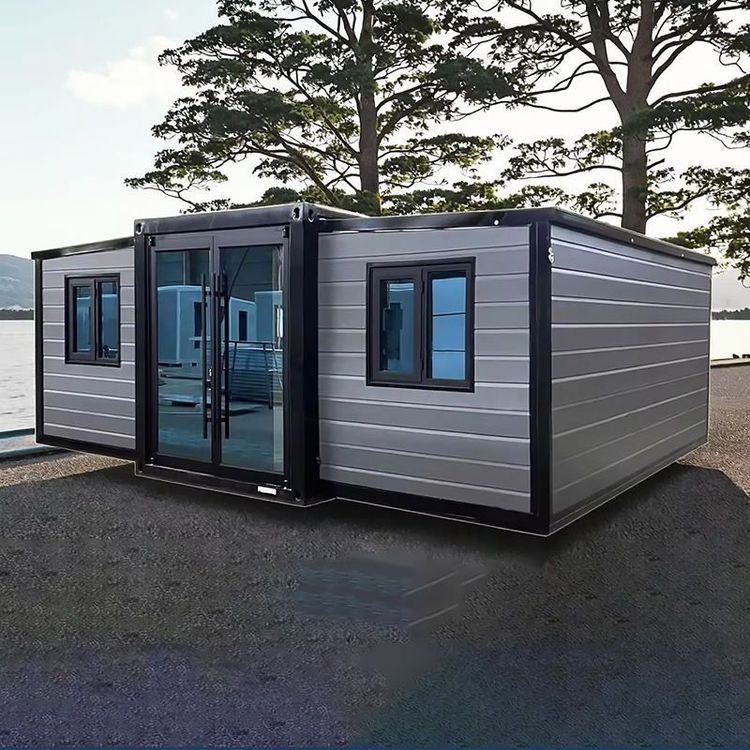
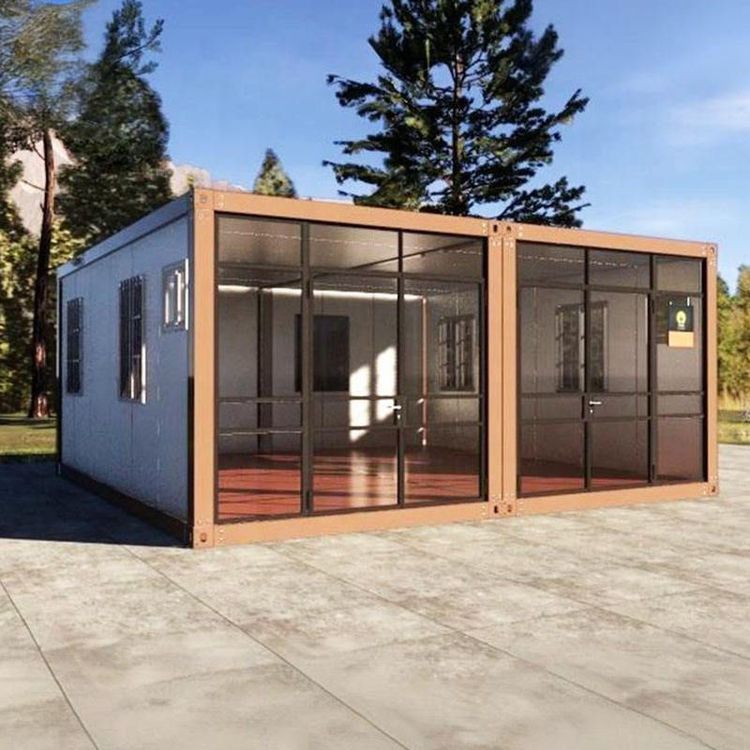
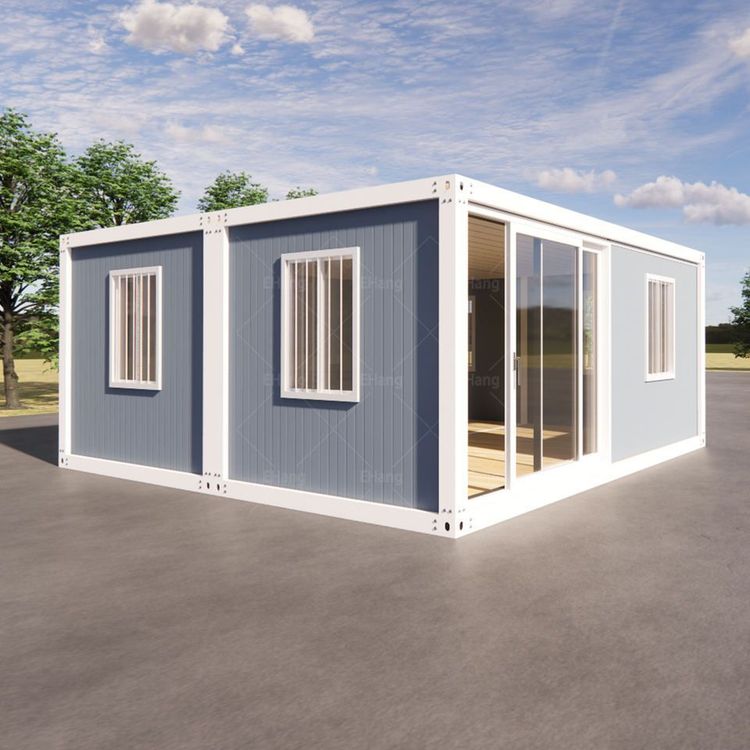
Prefabricated public toilets adopt modular designs, eliminating the need for complex civil engineering and pipeline laying, reducing infrastructure investment by 30%-50%. Large-scale procurement further reduces the cost per unit through mass production, making them suitable for large-scale deployment scenarios.