
Mobile Smart Toilet Companies
The main companies related to mobile smart toilets include Beijing Aibei Space Technology Co., Ltd. and Deyi (Hangzhou) Environmental Technology Co., Ltd..
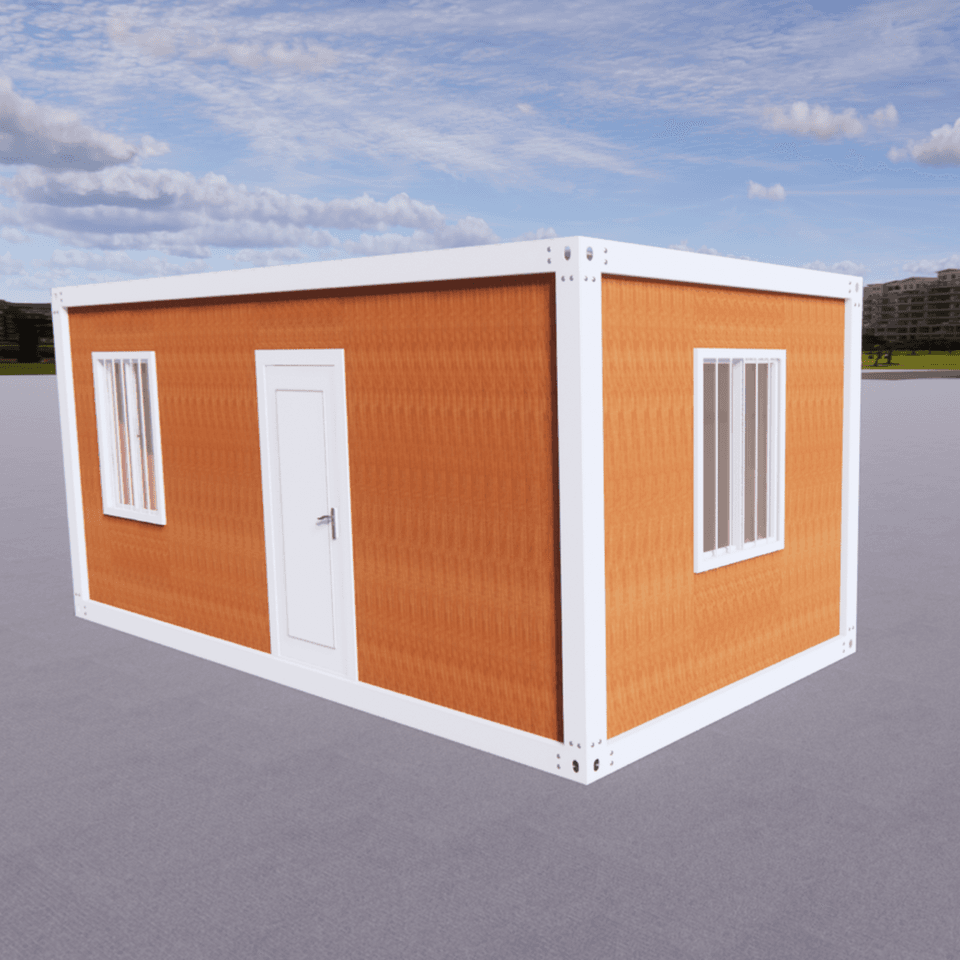
Beijing Aibei Space Technology Co., Ltd. holds significant technological advantages and practical experience in the field of mobile smart toilets. Its core business focuses on the design, research and development, and manufacturing of eco-friendly toilets and mobile space products, while also extending into the area of children's outdoor facilities. Technologically, the company has independently developed multiple eco-friendly water-saving technologies, including micro-flush toilet technology, foam-sealing toilet technology, packaged toilet technology, and vacuum collection toilet technology. These technologies effectively enhance the environmental performance of mobile toilets by optimizing water resource utilization or reducing pollutant emissions. For example, micro-flush toilet technology enables efficient cleaning with extremely low water consumption, making it suitable for water-scarce areas or temporary event scenarios; foam-sealing technology covers excreta with biodegradable foam, achieving waterless treatment. Additionally, the company's team has operational and maintenance experience in national-level large-scale events, having participated in the design, production, and on-site maintenance of mobile toilets for events such as the 2008 Beijing Olympics and the 60th National Day Celebration. Such experience enables the company to quickly deploy equipment and ensure stable operation in high-traffic, high-intensity usage scenarios, forming a complete closed loop from technological research and development to on-site service implementation.
Deyi (Hangzhou) Environmental Technology Co., Ltd. takes intelligent management and data reliability as its core competitiveness. As a participant in the smart toilet industry, the company emphasizes data authenticity, employing multiple calibration mechanisms for its environmental monitoring equipment to ensure the credibility of readings for parameters such as temperature, humidity, and air quality, providing precise bases for toilet operation and maintenance. For example, by monitoring ammonia concentration in real-time, it can promptly trigger cleaning reminders to prevent odor diffusion. In terms of service, the company clarifies fault response times and resolution paths through service agreements, such as stipulating a response within 2 hours and repair within 24 hours after equipment failure, avoiding service delays caused by vague commitments. This standardized process enhances user trust in the smart toilet system, particularly suitable for scenarios with high operational and maintenance efficiency requirements, such as commercial complexes and transportation hubs.
These two companies have entered the mobile smart toilet market from the perspectives of technological environmental friendliness and intelligent management, respectively, forming differentiated competitive advantages.
You may also like

Portable Toilet Rental for Construction Sites: What to Consider
Read More
Portable Toilet Rental Price Guide: Budget, Mid-Range & Premium
Read More
Portable Toilet Color Steel: A Practical Buyer's Guide
Read More