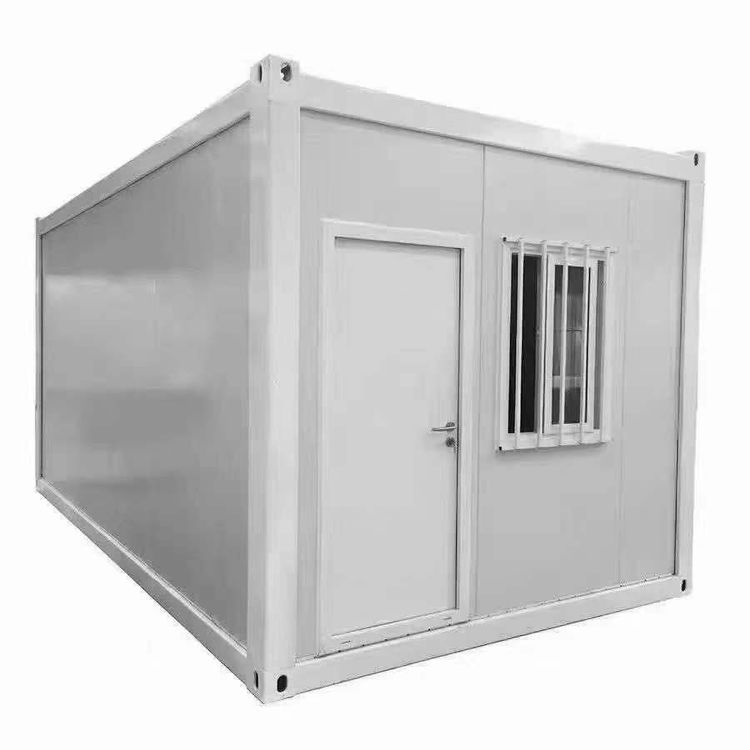
What Does Mobile Small Toilet Mean
A mobile small toilet generally refers to a facility that can be moved as a whole and provides temporary toilet services to the public, also known as a 'Portable toilet'. It is an independent sanitary unit specifically designed for temporary, mobile, or scenarios without fixed sewage disposal facilities. It has complete toilet functions and can be hoisted or towed as a whole to different locations. The following is an explanation from three aspects: functional characteristics, type classification, and application scenarios.
Functional Characteristics
The core function of a mobile small toilet is to meet temporary toilet needs, with its design emphasizing independence and convenience. Its overall structure includes a toilet, a flushing system (for some types), ventilation devices, and hand-washing facilities, forming a complete sanitary unit. For example, traditional water-flushing mobile toilets store clean water in a water tank and use gravity or pressure for flushing. Waterless-flushing types handle waste through physical, biological, or chemical technologies. For instance, foam-sealing technology reduces odors by covering the toilet surface with a foaming agent. Biodegradation technology uses microorganisms to break down excreta, and chemical agents achieve harmless treatment through disinfection and sterilization. In addition, its structure uses lightweight materials (such as high-strength plastics or metal frames) for easy hoisting or towing. Some models are equipped with wheels or towing devices and can be directly towed to the target location by vehicles.
Type Classification
According to the sewage disposal method, mobile small toilets can be divided into two types: water-flushing and waterless-flushing. Water-flushing types rely on water tank supplies and require regular cleaning of the septic tank, suitable for scenarios with a water source and complete sewage disposal conditions. Waterless-flushing types do not require traditional water flushing and handle waste through technological alternatives, making them more suitable for areas with water shortages, no sewage pipes, or high environmental protection requirements. For example, in arid areas or temporary event sites, waterless-flushing types can reduce water consumption and sewage discharge, reducing pressure on the environment.
Application Scenarios
The flexibility of mobile small toilets makes them widely used in various scenarios: In temporary events (such as music festivals and sports events), they can be quickly deployed to cope with peak crowds. On construction sites, due to short construction periods and frequent location changes, mobile toilets can be adjusted according to the progress of the project. In natural disasters or emergency rescue sites, their rapid installation and independent operation capabilities can provide basic sanitation guarantees for affected people. In addition, in tourist attractions, remote areas, and other regions with insufficient coverage of fixed toilets, mobile small toilets can also serve as supplementary facilities to improve public service levels.