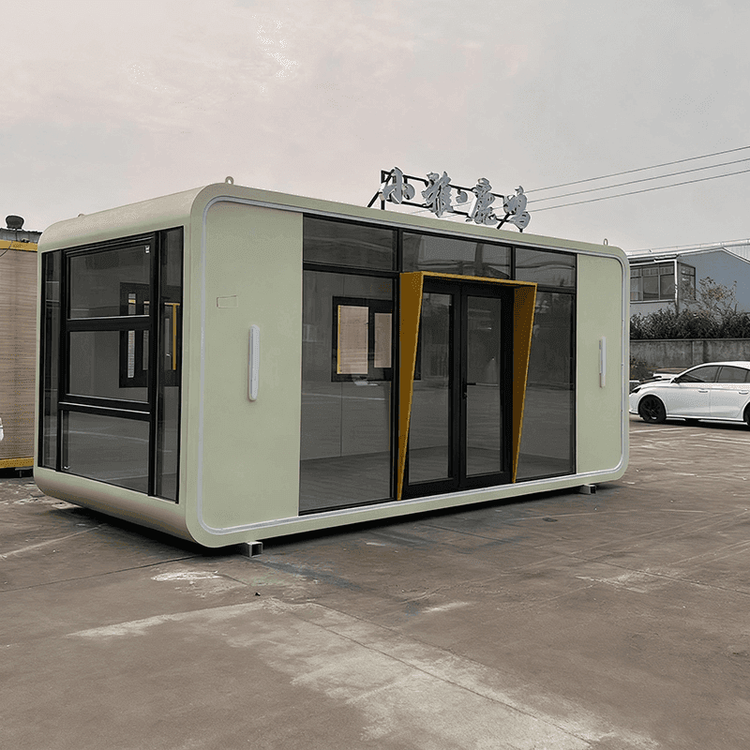
How About Mobile Small Toilet Factory
The mobile small toilet factory performs well overall, with advantages in production, technology, services, and other aspects. It also has positive social significance and a good industry development trend. Details are as follows:
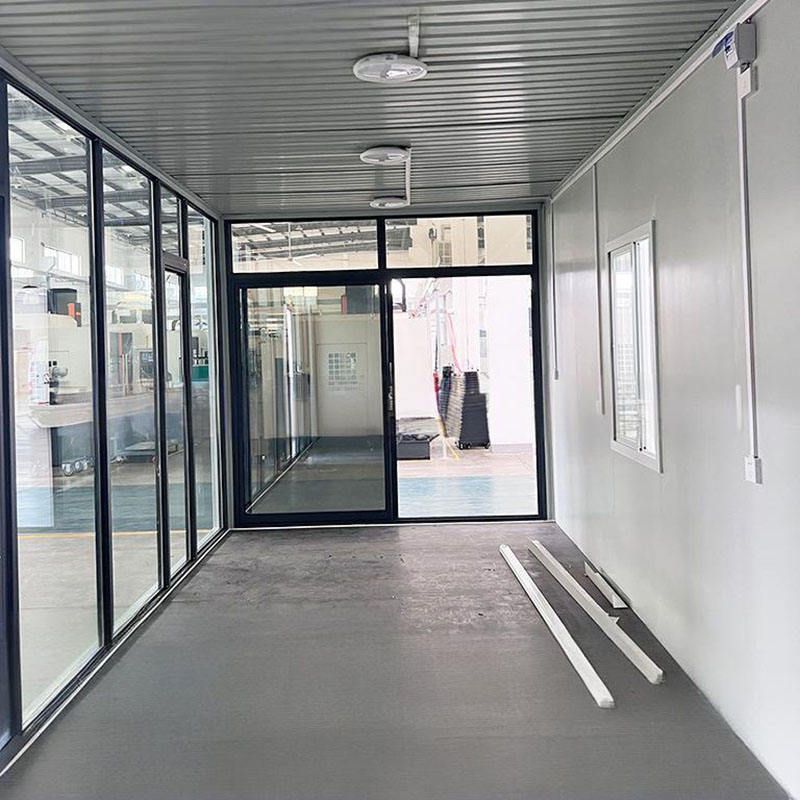
Production Capacity and Process: It has large-scale production capacity and standardized process flows, enabling it to produce various types of mobile toilet products according to different usage scenarios and needs, meeting the requirements of different environments such as parks, squares, and temporary event venues. It also considers barrier-free design to facilitate use by disabled individuals.
Production Process and Quality Control: The production process covers design, material procurement, manufacturing, assembly, and testing, and is strictly carried out in accordance with relevant standards. A strict quality management system is established, with dedicated personnel supervising and inspecting from raw material warehousing to finished product shipment. Products undergo strict tests for waterproofing, slip resistance, and durability before leaving the factory to ensure reliability in actual use.
Technology and Materials: Advanced production equipment and technologies are adopted to ensure that the toilets have a sturdy structure and complete functions, with an emphasis on environmental protection and energy efficiency. Corrosion-resistant materials such as stainless steel are used to extend product lifespan and reduce maintenance costs.
Supporting Services: It usually provides supporting services such as installation, maintenance, and recycling, and collaborates with relevant units to collect user feedback and continuously improve product design and service processes.
Cost Control and Competitiveness: By achieving large-scale production and optimizing the supply chain, it reduces raw material and labor costs, offering products at reasonable prices. For example, bulk purchasing reduces material waste, and automated equipment improves production efficiency and reduces labor input.
Social Significance: It provides necessary sanitation facilities for urban public spaces, improving the quality of life for citizens. At the same time, it has a positive impact on the local economy, creating job opportunities and promoting the development of related industries.
Industry Development Trend: With the acceleration of urbanization and the advancement of the 'toilet revolution', the industry is shifting from extensive supply to refined operation. Technological innovation has become mainstream, and solutions to address the challenges of 'no water, no pipeline network, and no pollution' are receiving attention, presenting four major trends: 'modular design, rapid deployment, zero-pollution emissions, and full-lifecycle services'.