Back to blog
Article
Usage of Mobile Single Toilets
Admin September 28, 2026
Mobile single toilets are portable sanitation facilities designed for individual use, with a wide range of applications suitable for various scenarios.
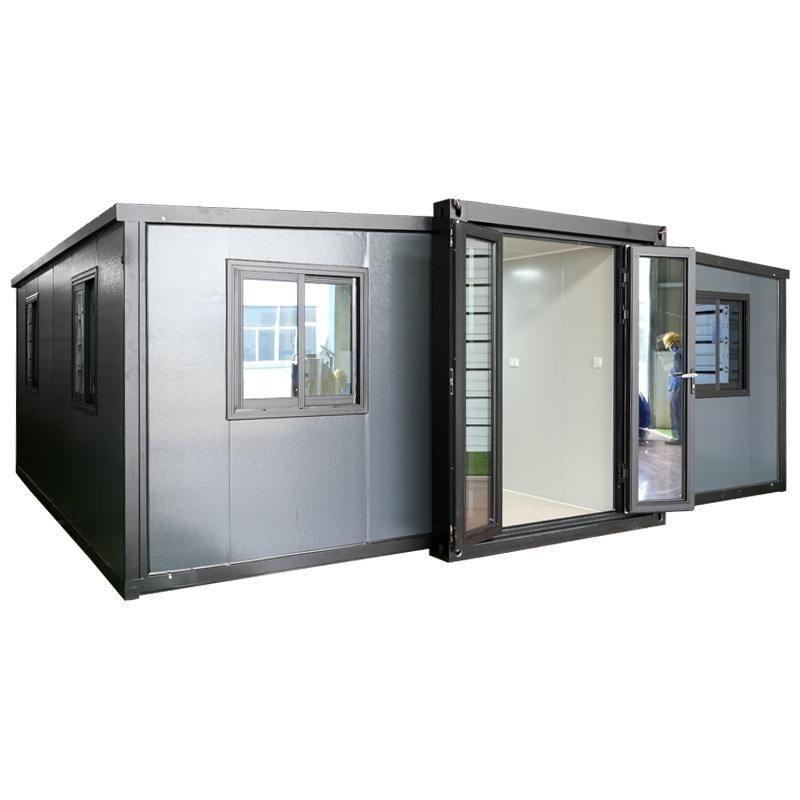
- Outdoor Activity Scenarios: During camping, hiking, and other wilderness activities, mobile single toilets effectively address the issue of sanitation in the wild. Wilderness environments typically lack fixed sanitation facilities, and using mobile single toilets not only meets individual needs but also prevents environmental pollution caused by随地排泄 (open defecation), thereby protecting ecological balance.
- Temporary Work Sites: At construction sites, temporary event venues, and other temporary work locations, there is high personnel mobility and an uncertain work cycle, making it costly and impractical to build fixed public toilets. Mobile single toilets can be quickly deployed, providing convenience for workers, improving work efficiency, and maintaining a clean and hygienic work environment.
- Special Work Environments: During long-distance truck driving, drivers spend extended periods on the road, and mobile single toilets can meet their sanitation needs during the journey. In remote area operations, such as communication base station maintenance and forestry inspections, where long-term wilderness work sites often lack fixed sanitation facilities, mobile single toilets can provide necessary sanitation protection for workers.
- Public Places: Stations, docks, tourist attractions, villa areas, newly built residential communities, large construction sites, squares, densely populated public places, and bustling commercial streets have high foot traffic and a strong demand for sanitation facilities. Mobile single toilets can serve as a supplement to fixed public toilets, alleviating sanitation pressure and enhancing public service levels.
- Environmental Protection and Sanitation Prevention and Control: In areas lacking fixed sanitation facilities, mobile single toilets can prevent secondary pollution of soil and groundwater caused by sewage leakage, protecting the environment. At temporary gathering venues, they can reduce the concentration of surface pollutants and lower the probability of intestinal infectious diseases spreading through the fecal-oral route. In the field of disaster medicine, mobile toilets equipped with pathogen detection modules can also be used for early epidemic monitoring, providing front-end data for public health warnings.