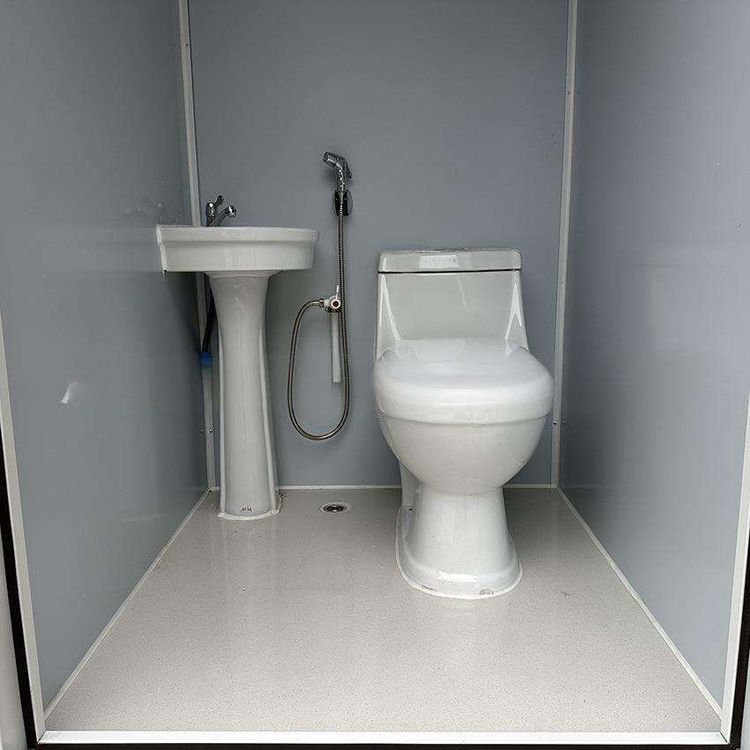
Mobile Single Toilet Rental Contract
The mobile single toilet rental contract should include the following core clauses to ensure the legal compliance and protection of the rights and interests of both parties:

I. Contract Parties and Rental Item Information The contract should clearly specify the names and contact information of Party A and Party B, and provide a detailed description of the rental item (such as the model, quantity, and specifications of the mobile toilet). A list can be attached as an appendix. For example, in the project contract for Xiuying District, Haikou City, different types of facilities corresponding to various rental periods are clearly distinguished, avoiding disputes caused by ambiguous equipment standards.
II. Rental Period and Renewal Rules The specific start and end dates should be agreed upon, and the renewal conditions should be clearly defined. For instance, the standard clause stipulates that 'written negotiation for renewal is required before the expiration of the rental period', preventing disputes over the period due to oral agreements. For short-term event rentals, a tiered pricing model can be referred to, such as '620 yuan per toilet per day for rentals of 15 days or less, and 580 yuan per toilet per day for rentals of more than 16 days', balancing flexibility and cost optimization.
III. Rent Payment and Liability for Breach of Contract
- Payment Method: The proportion of the advance payment (e.g., 50% within 2 days after the contract is signed) and the time for final settlement (e.g., one-time payment after the event ends) can be agreed upon.
- Liquidated Damages Clause: If Party B fails to pay the rent on time, Party A has the right to terminate the contract and demand payment of liquidated damages. If the facilities are damaged or lost due to Party B's improper storage, Party B shall compensate at the market price (except for natural wear and tear).
IV. Delivery, Acceptance, and Maintenance Obligations
- Delivery Standard: Party A shall ensure that the facilities are in good condition and function properly. Party B should immediately inspect and confirm any damage in writing upon receipt.
- Maintenance Responsibility: Party A is usually responsible for transportation, installation, regular pumping, and deodorization (as agreed in the contract). Party B shall clean and disinfect the facilities according to regulations and is prohibited from altering the structure or subleasing or mortgaging them without authorization.
V. Dispute Resolution and Contract Validity
- Disputes should be resolved through negotiation first. If negotiation fails, it can be agreed to file a lawsuit with the court at Party A's location, or arbitration clauses can be added according to needs.
- The contract shall take effect after being signed and stamped by both parties, with each party holding one copy. For matters not covered, a supplementary agreement can be signed.
Notes: The actual contract should adjust the clauses according to specific scenarios. For example, for long-term rentals, a fixed price of '450 yuan per toilet per month' can be referred to. For short-term events, the equipment removal time and hygiene standards should be clearly defined. It is advisable to have the contract reviewed by a legal advisor before signing to avoid missing clauses or an imbalance of rights and obligations.
You may also like

Top Mobile Container House Manufacturers: How to Choose a Factory Partner
Read More
Portable Toilet Waterproof in 2026: Buying Guide & Recommendations
Read More
Modular Container House: What to Know Before You Buy
Read More