
Mobile Single Toilet Diagram
Currently, specific images of mobile single toilets cannot be provided directly, but a detailed introduction to their basic components and features can be given.
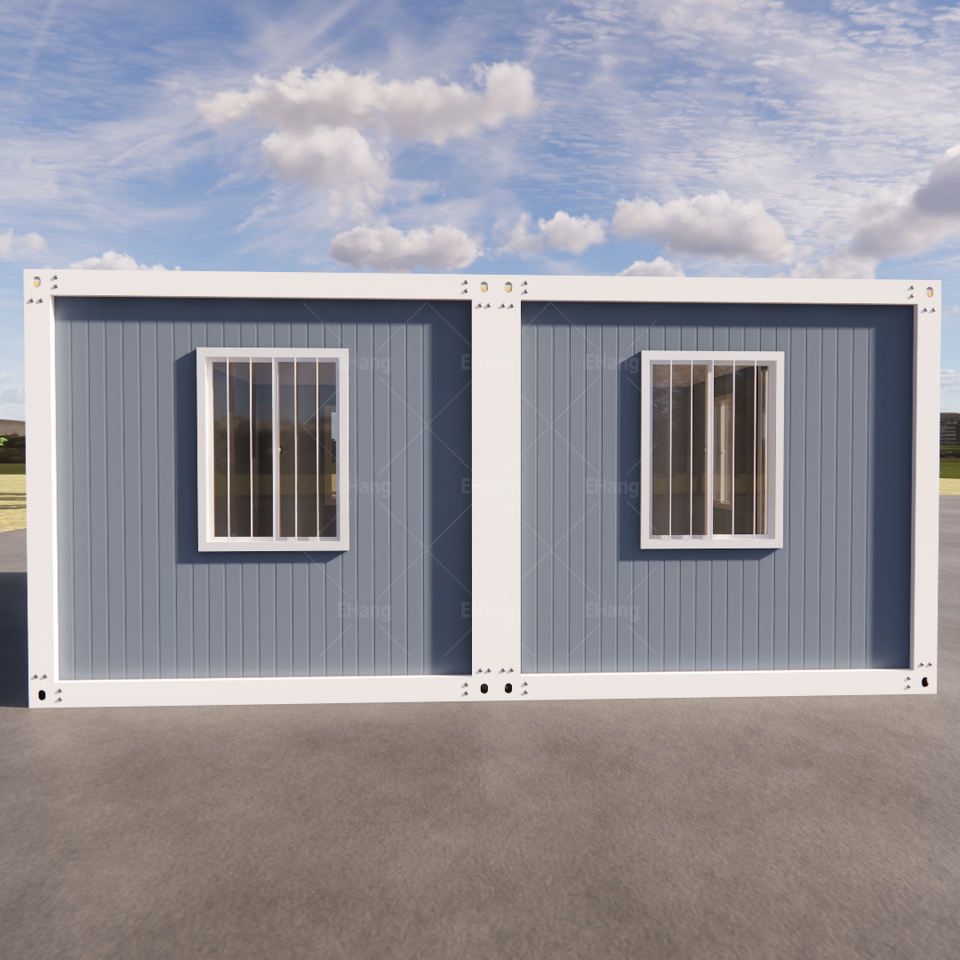
Mobile toilets, as movable public facilities, are designed to meet sanitation needs in temporary or mobile locations. They typically consist of several key parts to ensure functionality, practicality, and convenience.
I. Basic Components
Fecal and sewage storage tanks or disposal units: This is the core part of a mobile toilet, used for collecting and treating fecal and sewage. Depending on the design, some use storage tanks that require regular cleaning, while others are equipped with disposal units for on-site treatment, reducing environmental impact.
Flooring: Made of slip-resistant and easy-to-clean materials to ensure user safety and hygiene.
Sanitary fixtures: Including toilets or squat pans, chosen according to user needs to ensure comfort during use.
Walls and roof: Walls are usually made of lightweight, heat-insulating, and soundproof materials such as color-coated steel sheets or aluminum alloys, ensuring structural strength while reducing weight. The roof is designed with waterproof and sun-blocking functions to protect internal facilities from weather conditions.
Washing facilities and water tanks: Equipped with washbasins, faucets, and other washing facilities, as well as water tanks for flushing, ensuring users' personal hygiene.
Mobility devices: Fitted with wheels or detachable support structures at the bottom for easy movement and installation, adapting to the needs of different locations.
II. Features and Advantages
Mobile toilets offer high flexibility, easy installation, and environmental friendliness. They can be quickly deployed to various locations as needed, such as construction sites, outdoor events, disaster relief sites, etc., effectively addressing the shortage of temporary sanitation facilities. Meanwhile, with technological advancements, the design of mobile toilets has become increasingly user-friendly, with additions such as rain protection facilities and public washbasins to enhance the user experience.



