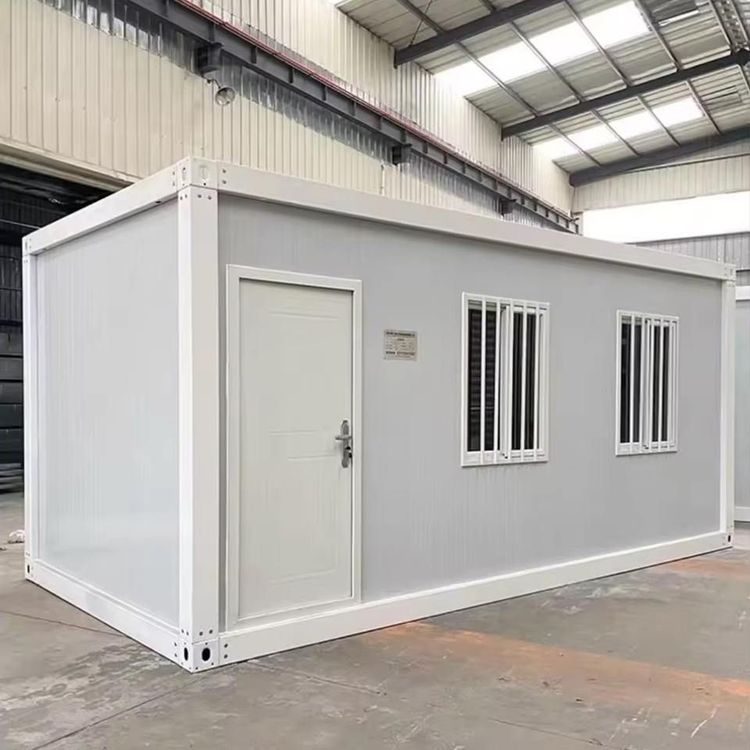
Mobile Self-Service Toilet Restroom
A mobile self-service toilet restroom is a facility that can be moved as a whole and provides public toilet services. It is suitable for various locations and features multiple structural forms, mobility methods, and sewage treatment approaches.
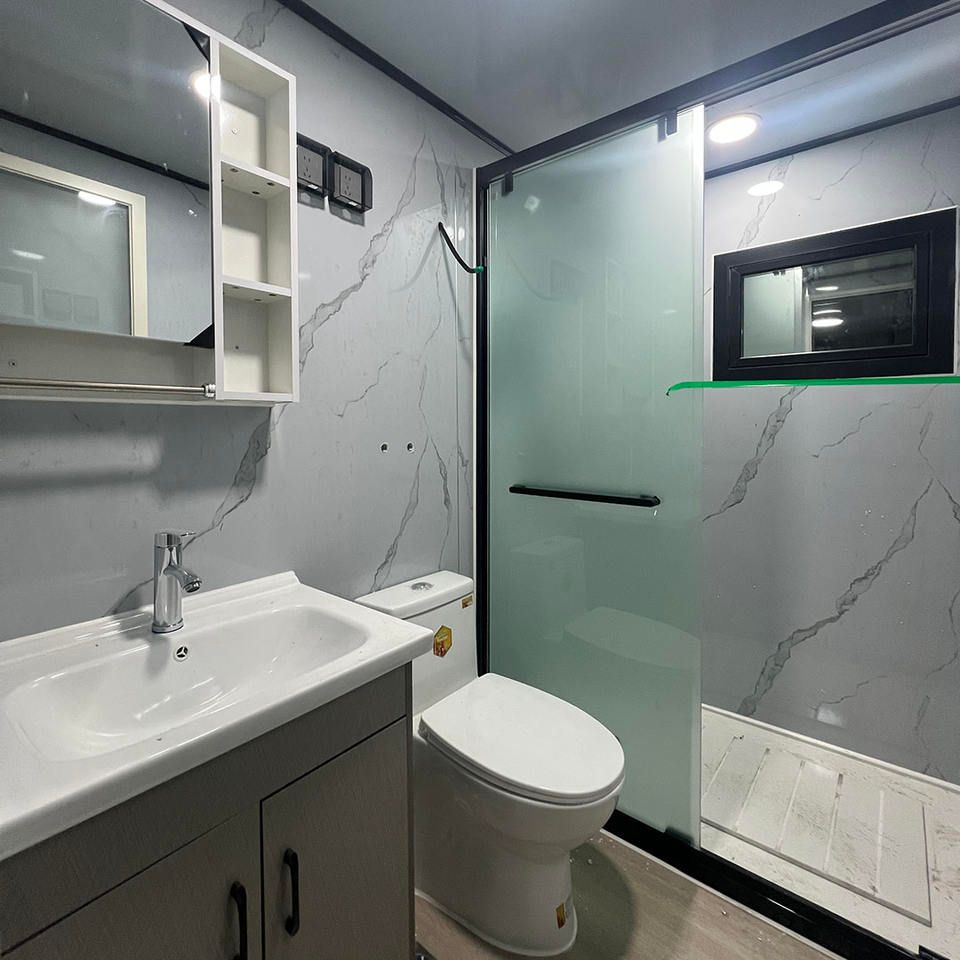
Suitable Locations
Mobile toilets are suitable for stations, docks, tourist attractions, villa areas, newly built residential communities, large construction sites, squares, densely populated public places, and bustling commercial streets. These locations often have temporary or fixed toilet needs, and mobile toilets can be flexibly deployed to meet usage requirements in different scenarios.
Structural Components
Generally, they consist of fecal sewage storage tanks (or fecal sewage treatment devices), floor slabs, sanitary fixtures, walls, washing equipment, water tanks, roofs, and mobility devices. These components work together to ensure the normal operation and functionality of mobile toilets.
Structural Forms and Mobility Methods
- Structural Forms: They can be divided into single-structure mobile toilets and composite-structure mobile toilets. Single-structure toilets are relatively simple and suitable for locations with limited space or single needs; composite-structure toilets are more complex and can provide more functions and a better user experience.
- Mobility Methods: They include lifting and handling-type mobile toilets and powered and towed-type mobile toilets. Lifting-type toilets are moved using hooks and are suitable for scenarios requiring rapid deployment or mobility; powered and towed-type toilets have wheels at the bottom and can be directly towed away by trailers, offering greater flexibility and convenience.
Sewage Treatment Methods
They are classified into water-flush and waterless suction-type mobile toilets, circulating water-flush mobile toilets, and dry-packing mobile toilets. Water-flush toilets provide better cleaning effects but consume water resources; waterless suction-type toilets treat feces through suction and are suitable for areas with scarce water resources; circulating water-flush toilets achieve water conservation by recycling water resources; dry-packing toilets pack feces for easy subsequent treatment and transportation.
Design Principles and Examples
The design of mobile toilets should adhere to the principles of mobility and convenience, economic durability, environmental protection and ecological friendliness, and improved efficiency and humanitarianism. For example, there are economical and practical mobile toilets with a gray and white color scheme, featuring multiple squatting positions and independent toilet compartments equipped with water and electricity fixtures; there are also mobile toilets of specific sizes designed with different numbers of toilet stalls and sinks according to the different needs of men and women.