
Mobile Scenic Spot Toilet Flushing
The flushing methods for mobile toilets in scenic spots mainly include three types: water-flushing, waterless-flushing, and foam-sealing flushing, with the following specific characteristics:
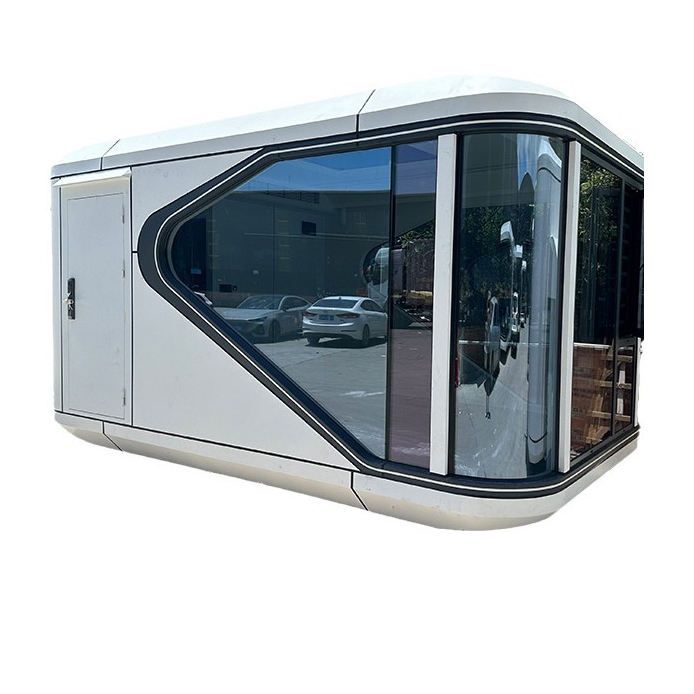
Water-flushing is a relatively traditional method that relies on the connection of water supply and drainage pipes. In scenic spots with well-established water supply and drainage infrastructure, water-flushing toilets can provide a user experience similar to that of traditional fixed toilets, flushing waste into the sewer through water flow, resulting in good cleaning effects. To enhance water-saving performance, some water-flushing mobile toilets have adopted advanced technologies. For example, rainwater collection and filtration systems can collect and purify natural precipitation for toilet flushing, reducing dependence on municipal water supplies; hand-washing water reuse for flushing technology collects wastewater from hand washing, treats it briefly, and then uses it for toilet flushing, further improving water resource utilization.
The waterless-flushing solution does not require connection to water supply and drainage pipes, offering high flexibility and adaptability, especially suitable for scenic spots with incomplete or difficult-to-install water supply and drainage facilities. These toilets typically use technologies such as biodegradation and physical packaging to treat waste. Biodegradation technology utilizes microorganisms to decompose waste into harmless substances, reducing odors and pollution; physical packaging technology wraps waste in biodegradable materials for regular disposal. Waterless-flushing toilets not only save water resources but also avoid environmental damage caused by pipe installation in scenic spots.
Foam-sealing flushing is a method that combines environmental protection and water-saving features. It generates a large amount of foam through a foaming device, covering the inside of the toilet bowl to form a sealing layer that prevents odor emission. After the user finishes, the foam wraps the waste and flushes it into a collection container below. Due to the lubricating and sealing effects of the foam, this flushing method uses very little water and effectively reduces odors, maintaining cleanliness and hygiene inside the toilet. Meanwhile, the collected waste can be treated centrally for resource reuse.
You may also like

Portable Toilet Rental for Construction Sites: What to Consider
Read More
Portable Toilet Rental Price Guide: Budget, Mid-Range & Premium
Read More
Portable Toilet Color Steel: A Practical Buyer's Guide
Read More