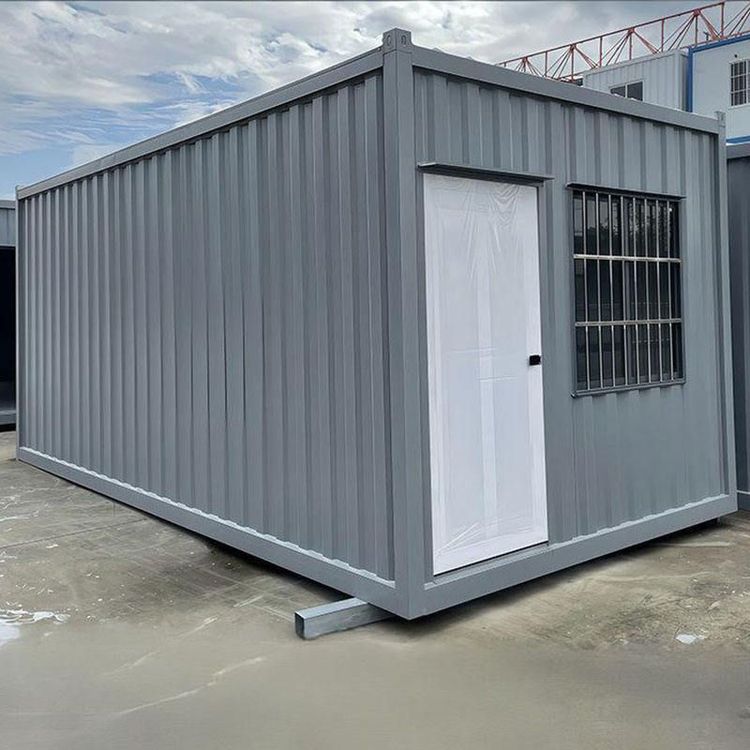
Mobile Sanitary Toilet Heating
Common heating methods for mobile sanitary toilets include electric heaters, fuel-fired warm air blowers, underfloor heating systems, electric heating, gas heating, heat pump heating, and radiators.

Electric Heaters: They convert electrical energy into heat energy for heating, enabling rapid temperature rise and simple operation. Typically with a power range of around 1000 - 2000 watts, they can provide a warm environment in relatively small spaces, making them suitable for mobile sanitary toilets with limited areas. Installation and use are relatively convenient.
Fuel-Fired Warm Air Blowers: Using fuel as the energy source, they generate heat through combustion and then blow out the warm air using a fan. They have a relatively large heating range and are suitable for larger mobile toilets. They provide fast heating and have relatively strong endurance. However, during use, attention should be paid to the safe storage and use of fuel to avoid the risk of fire.
Underfloor Heating Systems: Heating pipes are laid underground, and the floor is heated through hot water or electric heating. This heating method provides uniform heating and high comfort, keeping the entire mobile toilet warm. However, the cost of installing an underfloor heating system is relatively high, and it requires professional installation and construction. Post-installation maintenance is also relatively complex.
Electric Heating: Electric heating equipment such as electric heaters and electric warm air blowers are installed in the toilet to convert electrical energy into heat energy and raise the indoor temperature. It is easy to install and offers flexible temperature control, allowing for temperature adjustments according to actual needs at any time. However, its energy consumption is relatively high, which increases usage costs.
Gas Heating: Using gas as the energy source for heating, such as natural gas wall-mounted boilers. It provides a relatively fast temperature rise and can quickly create a warm environment. However, it requires gas supply facilities, and during use, ventilation should be ensured to prevent gas leaks and related safety accidents. Additionally, gas usage also increases costs.
Heat Pump Heating: Utilizing the inverse Carnot principle, through the work of a compressor, it transfers heat from a low-temperature environment into the toilet. It has the advantages of high energy efficiency and stable operation, maintaining good heating effects even at relatively low outdoor temperatures. Moreover, it does not produce open flames or exhaust gases, making it safe and environmentally friendly. However, its initial cost is relatively high, and installation and maintenance are relatively complex.
Radiators: Installing radiators in mobile toilets can ensure that water pipes do not freeze at temperatures as low as minus ten or even minus twenty degrees Celsius, ensuring the normal use of the toilet.