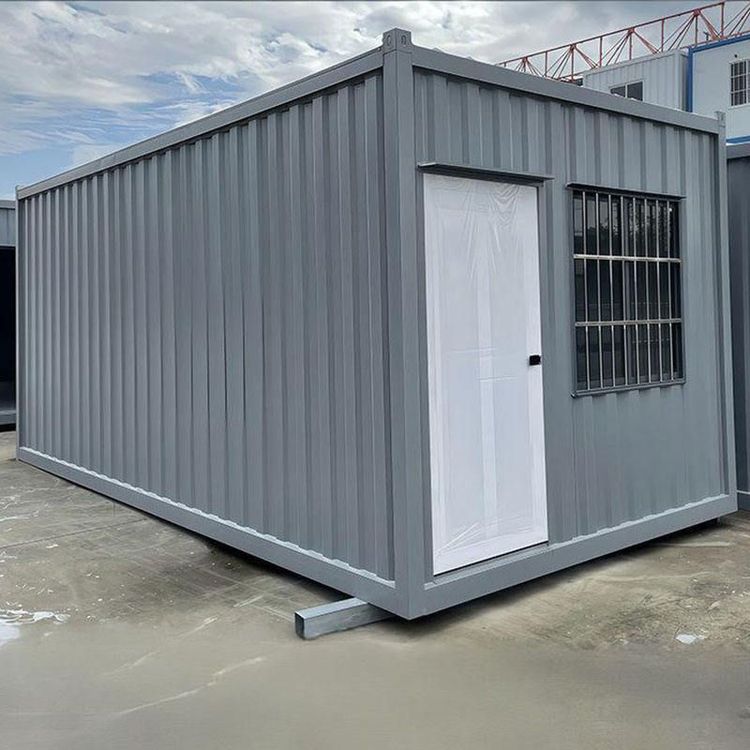
How Do Mobile Sanitary Toilets Drain
There are various drainage methods for mobile sanitary toilets, and an appropriate solution should be selected based on the actual scenario. Common methods are as follows:

Conventional Water-Flush Type
Drainage is achieved by connecting to water supply and sewage pipes, relying on manual or automatic sensor-based flushing devices to discharge sewage into septic tanks or municipal sewage networks. Its core advantages are low construction costs and mature technology, suitable for places with stable water sources and sewage facilities, such as city parks and construction sites. However, attention should be paid to pipe maintenance to avoid blockages or leaks.
Vacuum Sewage System
A vacuum pump is used to generate negative pressure, rapidly sucking sewage and waste into sealed collection containers. It is characterized by extremely low water consumption (only 1/10 of traditional methods) and strong sealing, effectively preventing odor diffusion and sewage overflow. It is suitable for water-scarce areas or scenarios with high hygiene requirements, such as scenic spots and high-end event venues. However, the equipment cost is relatively high, and the operation status of the vacuum pump needs to be regularly checked.
Water-Storage Sewage System
Waste is discharged into an independent water storage tank through water flushing. When the tank is full, it needs to be manually cleaned or replaced. It is suitable for areas with sufficient water sources but inconvenient sewage disposal, such as temporary construction sites or remote villages. The tank capacity should be regularly monitored to avoid overflow, and the cleaning process should comply with hygiene standards.
Waterless Packaging Type
Biodegradable plastic bags are used to collect excrement. After each use, the bag is automatically sealed and replaced with a new one. When full, the bags are transported to a treatment plant for harmless disposal. Its core advantage is that it does not require water sources and sewage facilities, suitable for arid areas, field operations, or temporary toilets for large events. However, the plastic bags need to be regularly replaced, and the collection and transportation process should ensure no leaks.
Microbial Degradation Type
Biological strains are added to decompose excrement into harmless substances (such as carbon dioxide and water), and the remaining residue can be used as fertilizer. It is highly environmentally friendly and reduces pollution, suitable for ecologically sensitive areas or mobile toilets for long-term use. However, the activity of the strains needs to be controlled to avoid a decrease in decomposition efficiency, and the residue should be regularly cleaned.
Recirculating Water Perforation Type
It is equipped with intermittent aerobic/anaerobic treatment devices, using biofilm technology to accelerate fermentation and decomposition. The treated water is recycled for toilet flushing. It achieves water resource recycling, suitable for water-scarce scenarios requiring long-term use, such as desert scenic spots or remote campsites. However, the treatment devices need to be regularly maintained to ensure the water quality meets standards.
Other Methods
- Chemical Treatment Type: Special chemicals are added to decompose and disinfect excrement. The treated substances have reduced toxicity and can be discharged into ordinary sewage systems.
- Direct Discharge Type: Sewage is directly discharged into municipal sewers through dedicated interfaces. It is necessary to ensure that the interfaces match and comply with sewage discharge standards.
- Mobile Sewage Tank Type: A detachable sewage tank is installed below the toilet. When the tank is full, it is taken out and emptied into designated facilities. It offers high flexibility but requires attention to hygiene during operation.
When selecting a drainage method, it is necessary to comprehensively evaluate water source conditions, sewage facilities, environmental protection requirements, and maintenance costs, and strengthen daily management to ensure normal operation.