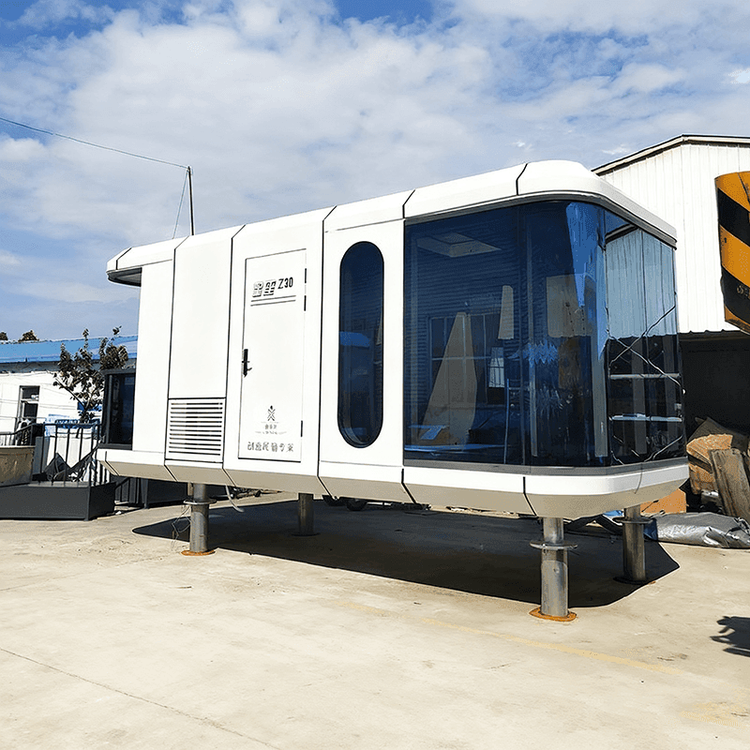
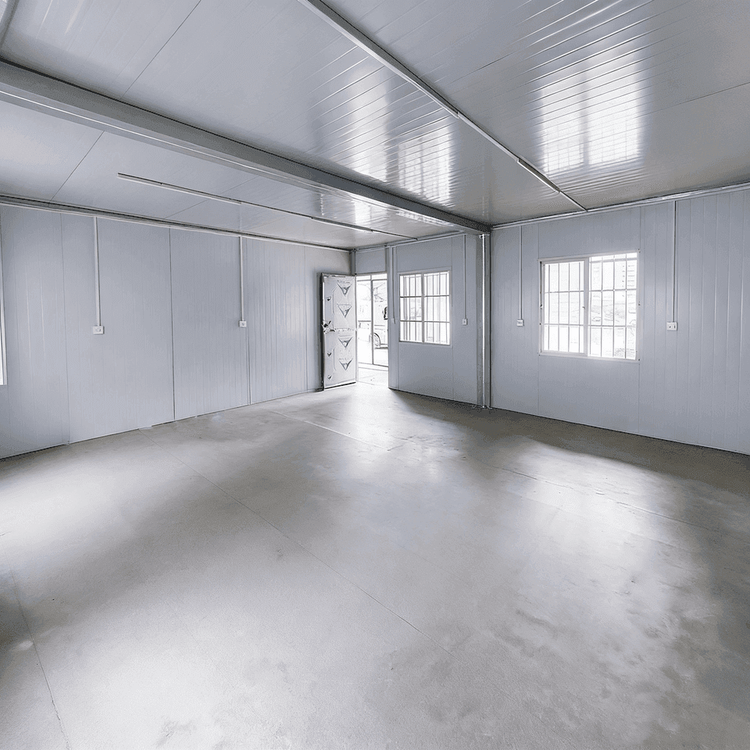
Mobile Rural Toilets in Linquan, Anhui
In Linquan County, Anhui, mobile toilets have not been widely promoted in rural toilet renovation projects, with fixed sanitary toilets being the primary model adopted. Here is a detailed overview of the information:

Mainstream Models of Rural Toilet Renovation in Linquan County
According to publicly available information, Linquan County strictly implements the "Technical Specification for the Construction of Three-Compartment Rural Household Toilets" in its rural toilet renovation efforts, focusing on promoting fixed sanitary toilets such as brick-built three-compartment and concrete-poured three-compartment models. These toilets achieve harmless treatment of feces through three-compartment septic tanks, offering advantages such as structural stability, long service life, and meeting sanitary standards, aligning with the long-term needs of rural living environment improvement. As of 2025, the county has completed toilet renovations for over 3,000 households, with coverage continuously expanding.
Supporting Policies and Long-Term Management
To drive the toilet renovation work, Linquan County has implemented a government subsidy policy, providing a subsidy of 2,000 yuan per household for toilet renovations that meet standards, effectively reducing the financial burden on farmers. Simultaneously, a long-term maintenance mechanism has been established, including dedicated fecal suction truck services and regular septic tank cleaning, ensuring that maintenance issues after toilet use are addressed. These measures are centered around fixed toilets and do not involve the promotion or subsidization of mobile toilets.
Applicability Analysis of Mobile Toilets
Mobile toilets typically offer high flexibility and can be disassembled and reassembled, but they have limitations such as poor stability, high maintenance costs, and difficulties in winter freeze prevention, making them more suitable for temporary venues (e.g., construction sites, exhibitions). Long-term use in rural areas requires consideration of practical issues such as sewage discharge and fecal treatment, whereas fixed toilets can more efficiently address these problems by connecting septic tanks to sewage networks. Therefore, Linquan County has not prioritized mobile toilets as the main direction for toilet renovation.
Policy Consultation Recommendations
For those seeking information on mobile toilet policies (e.g., pilot projects, applications in special scenarios), it is recommended to directly contact the Linquan County Agriculture and Rural Affairs Bureau or the Housing and Urban-Rural Development Department. These departments have the latest policy updates and can provide targeted answers.