
Mobile Restroom Toilet Assembly
There are various assembly methods for mobile restroom toilets, with the following common types and specific operations:
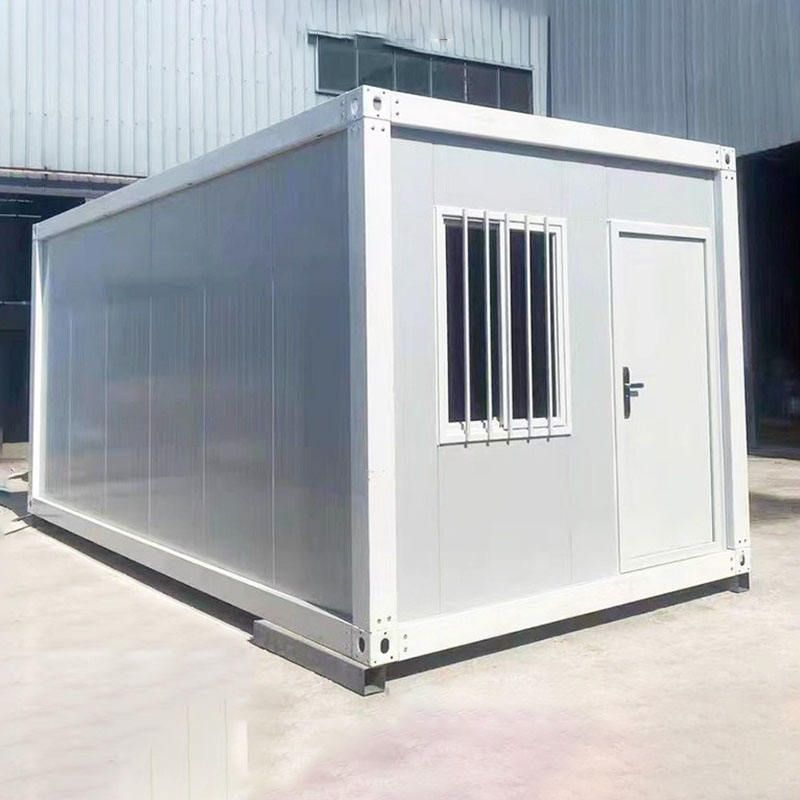
I. Simple DIY Assembly Taking the self-made example using materials such as buckets, you first need to prepare materials including wooden boards, universal wheels, buckets, wooden strips, aluminum-plastic panels, bucket lids, wooden doors, drainage pipes, floor drains, water pipe connectors, PVC pipes, and toilets. First, install the universal wheels on the wooden boards to serve as the base, providing a movable foundation for the entire mobile restroom. Place the cut buckets on the base and fix the bucket bodies with wooden strips to ensure the buckets are stable. Then, cut the buckets to create entrances and exits for easy access. Extend and heighten the restroom using aluminum-plastic panels to increase the space height and privacy. Install the bucket lids for closure and protection. Fabricate wooden doors and install them on the door frames to build the main framework. After that, connect the drainage pipes and install floor drains to ensure smooth sewage discharge. Install water pipe connectors on the green buckets, assemble shower heads using PVC pipes and connect them to meet showering needs. Drill holes in the middle of the base for the toilet's drainage pipe, and finally install the toilet and apply sealant to prevent leaks.
II. Modular Design Assembly This type of modular mobile toilet adopts a modular design and can customize different functional areas such as squat toilets, sit-toilets, and shower rooms. The assembly process is relatively simple, and two people can complete it in half an hour. This design has significant advantages in transportation. Since it is modular, the individual components can be disassembled during transportation, greatly saving space and thus reducing transportation costs.
III. On-site Assembly of Large Toilets For some toilets that are too large to enter the site, assembly is a more suitable approach. Divide the toilet into two parts in the factory for easier transportation to the site. Once at the site, assemble the two parts into a complete toilet. Moreover, this type of toilet can be divided into male and female restroom areas to meet the usage needs of different groups of people and is commonly used in public places and other application scenarios.



