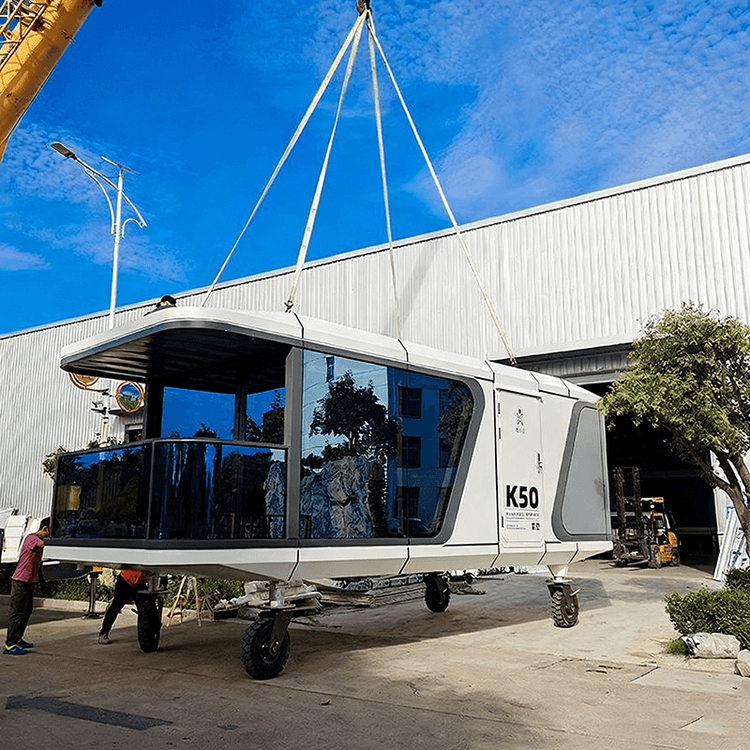
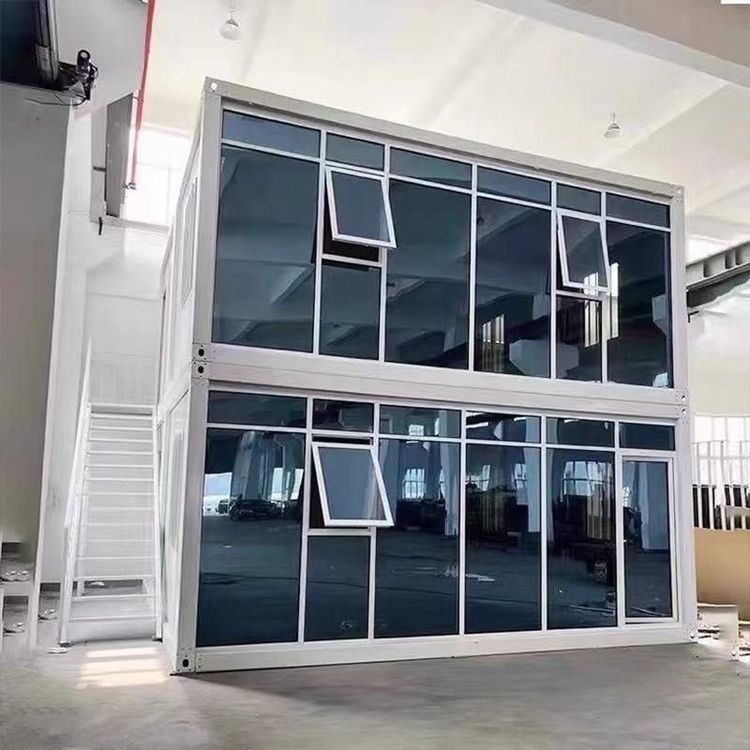
Mobile Restroom and Toilet
A mobile restroom, also known as a mobile toilet, is a movable facility designed to meet the temporary or periodic toilet needs of the public.
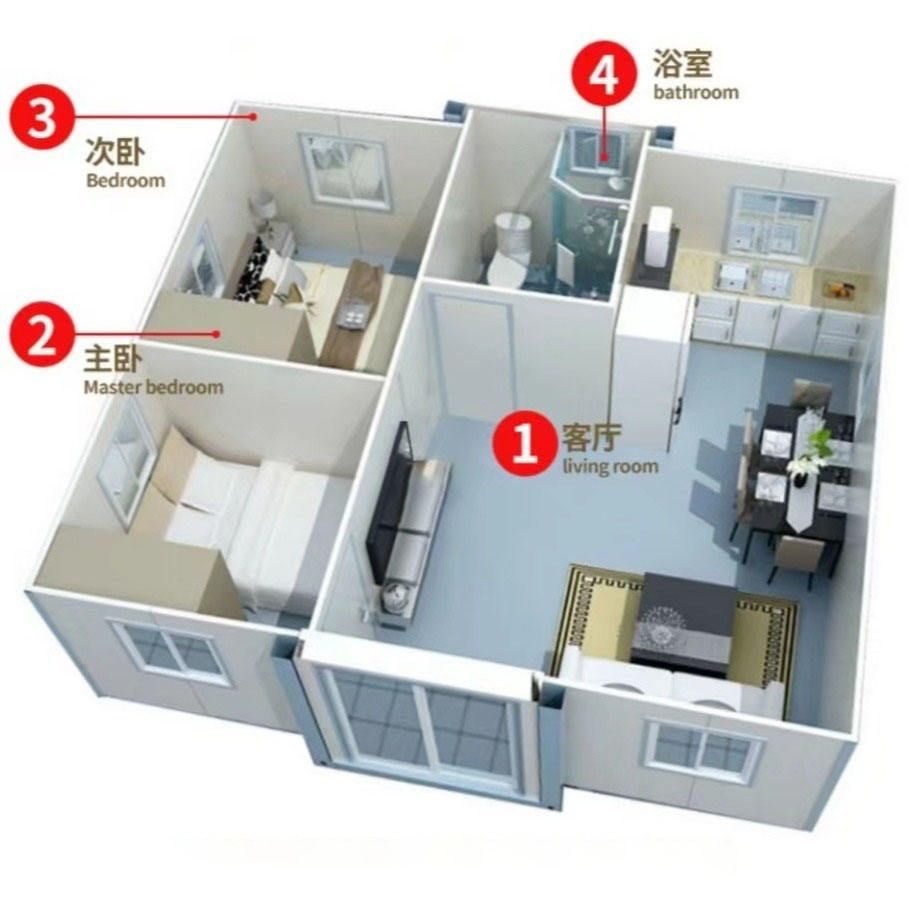
Composition and Material Evolution of Mobile Toilets
Mobile toilets generally consist of fecal sewage storage tanks (or disposal units), floor slabs, sanitary ware, walls, washing equipment, water tanks, roofs, and mobile devices. Their materials have evolved from wood to fiberglass and polyethylene: Early models were made of wood, which was simple in construction but prone to absorbing odors; modern materials are more durable and environmentally friendly, such as fiberglass, which is lightweight and strong, and polyethylene, which is corrosion-resistant, significantly enhancing the practicality and lifespan of the toilets.
Classification and Characteristics of Mobile Toilets
- By structural form: They are divided into single-unit structures (independent units) and composite structures (multi-unit combinations), adapting to different scenarios.
- By mobility method: They include lifting and handling types (requiring mechanical assistance) and powered towing types (capable of self-movement), offering high flexibility.
- By sewage treatment method:
- Water-flush and waterless-flush suction types: Rely on a water source or regular pumping of fecal sewage.
- Recirculating water-flush types: Reuse water resources through a filtration system, saving water and being environmentally friendly.
- Dry-pack types: Use biodegradable bags to collect feces, requiring no water source, suitable for water-scarce areas.
Advantages and Application Scenarios of Mobile Toilets
Mobile toilets are movable, combinable, and easy to transport, allowing for rapid deployment in areas where fixed public toilets are difficult to cover, such as large event venues, tourist attractions, and disaster areas. For example, in 2023, the Lanzhou Yellow River Scenic Area installed mobile toilets to compensate for the insufficient number and unreasonable layout of public toilets. Their design adheres to the principles of mobility, cost-effectiveness, durability, and environmental protection, using lightweight and durable materials (such as metal carved panels for thermal insulation) and controlling height and width to suit transportation needs. Some high-end models are also equipped with lighting and ventilation windows, separate male and female areas, and intelligent micro-water-flush technology, using minimal water per flush while maintaining functionality and comfort.
Design Principles of Mobile Toilets
When designing, emphasis should be placed on lightness and sturdiness, environmental protection and energy efficiency, and humanization:
- Material selection should prioritize lightweight and high-strength options, such as steel frames paired with aluminum alloy doors.
- Mobile devices should be complete and reasonable to ensure stability during transportation and installation.
- Internal configurations should be comprehensive, with clear signage, good ventilation, and some custom models adopting a simple gray and white color scheme to enhance visual appeal.