
Mobile Quick-Assembly Container House
The mobile quick-assembly container house is a modular building that can be rapidly assembled, easily moved, and reused multiple times. It is widely applied in engineering camps, cultural and tourism projects, emergency support, and other scenarios. The following is an introduction from three aspects: structural features, application scenarios, and purchasing considerations.
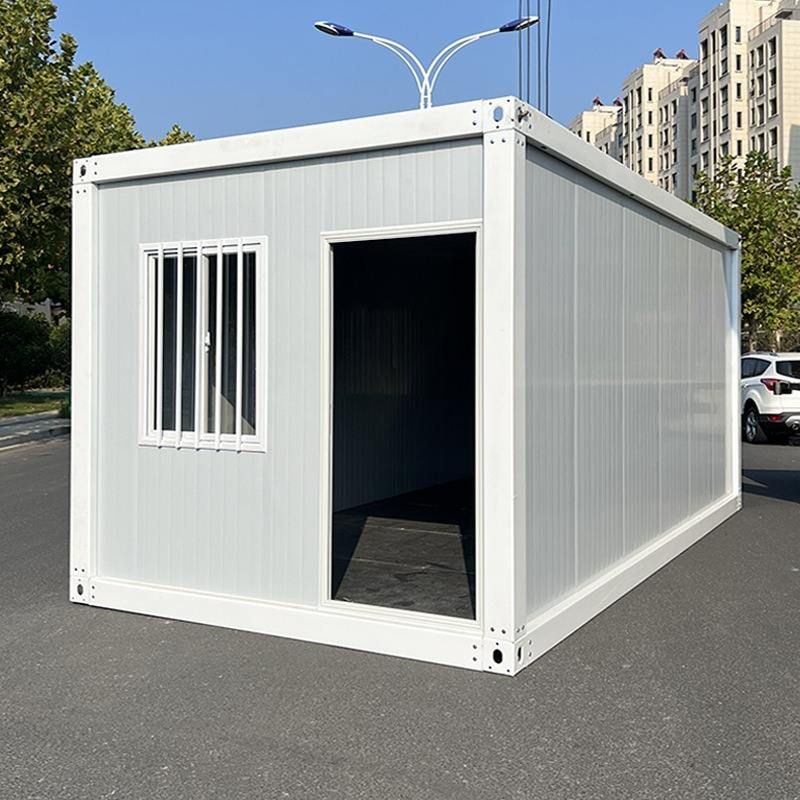
I. Structural Features
The mobile quick-assembly container house takes a steel structure frame as its core and adopts a modular design concept. The container bodies can be used individually or combined by connecting multiple units. Structural stability is a key safety indicator. High-quality products must comply with building seismic design codes (such as GB50011-2010), and the frame deformation under a 12-level strong wind should be less than 10mm. For example, the all-steel frame product from Suzhou Zhongnan Steel Structure Co., Ltd. has a measured deformation of only 2mm, and its weld strength meets the GB/T 19001-2016 standard, ensuring structural stability after long-term reuse. In addition, quick-assembly containers focus on rapid assembly. A single modular unit can be installed in just a few hours. Some products adopt a welding-free quick-assembly process, resulting in low disassembly and assembly losses and supporting multiple relocations and reuse. Under proper use, the average number of disassembly and assembly operations can reach more than 8 times, and the amount of construction waste generated is about 90% less than that of traditional fixed temporary buildings.
II. Application Scenarios
- Engineering Camps: As on-site dormitories and temporary office buildings, quick-assembly containers offer high cost-effectiveness, easy installation, and strong mobility, adapting to changes in project cycles.
- Cultural and Tourism Business: Through customized exterior facades (such as glass curtain walls and trendy designs) and internal functional renovations, creative spaces such as container cafes and camp reception centers can be built to meet the needs of integrating commercial atmospheres with landscapes.
- Emergency Support: Foldable container houses, when folded, have a volume only one-fifth of their expanded state, significantly reducing transportation and storage costs. They are suitable for short-term turnover scenarios such as logistics transit and temporary resettlement.
III. Purchasing Considerations
- Process Performance: Give priority to products with a welding-free quick-assembly process and low disassembly and assembly losses. Verify the structural stability data after multiple relocations.
- Compliance and Services: Confirm the production entity's qualifications (such as domestic and foreign certifications, project delivery, and after-sales capabilities) to avoid safety hazards caused by non-standard white-label products using thin steel plates or inferior steel materials.
- Scenario Adaptation: Select container body types according to needs. For example, choose standard residential containers for engineering projects and packing-box units that can be customized and renovated externally for cultural and tourism projects.
- Return on Investment: Comprehensively evaluate the full life-cycle costs, including the number of reuse operations, operation and maintenance costs, and resource utilization rates. Give priority to low-carbon and circular products.



