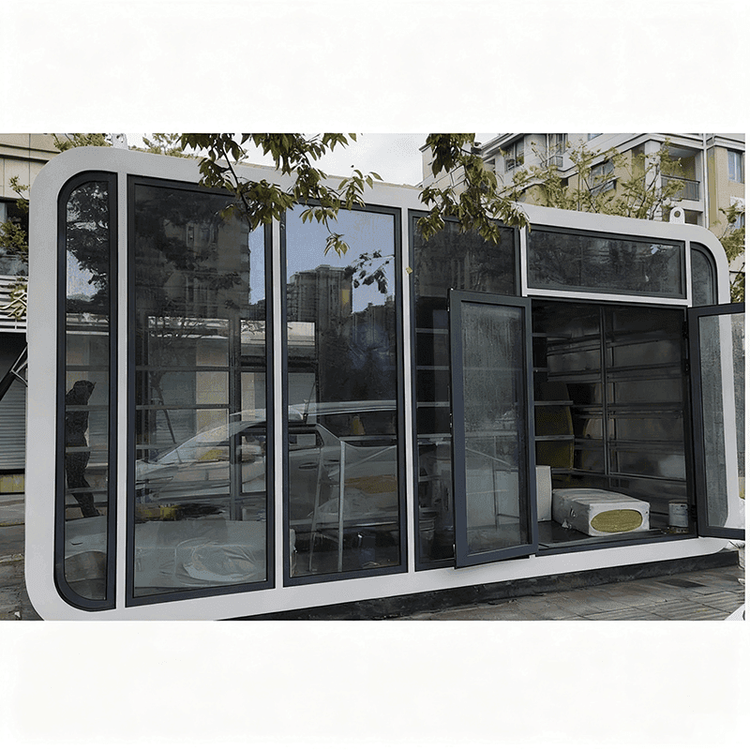
Mobile Public Toilets - Toilet Revolution
Mobile public toilets are a crucial component of the 'Toilet Revolution,' playing a key role in technological upgrades, diversified forms, and improved management.
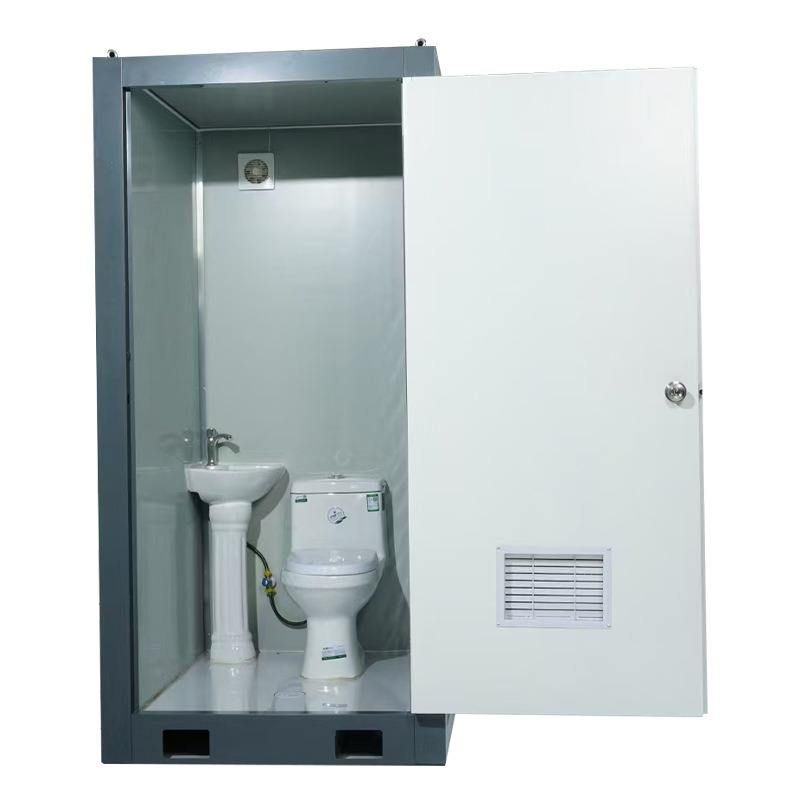
I. Significant Technological Upgrades
Mobile public toilets have achieved breakthroughs through the use of new materials and water-saving technologies. For example, mobile eco-friendly toilets employ national standard steel frames with surfaces covered in anti-corrosion and fire-resistant colored steel plates or carved panels, offering a lifespan exceeding 20 years. Their water-saving systems automatically collect hand-washing water and add special agents, achieving a flushing effect with only 0.46 liters of water per use, significantly reducing water consumption. Internally, they are equipped with independent urinal and fecal treatment systems: the urinal channel utilizes gravity flow, while the fecal channel is cleaned by a piston-type scraper mechanical device. They also feature non-slip floors, automatic flushing toilets, and ventilation and lighting systems, complying with the GBLT18091-92 standard and balancing hygiene with practicality.
II. Diversified Forms and Technological Routes
Since 2012, mobile public toilets have gradually formed technological routes such as waterless flushing, foam sealing, and water flushing, covering subcategories like antique-style, temporary construction site, and marine types, supporting vehicle-mounted and traditional toilet renovations. Product forms have expanded to include trailer-mounted, box-type substation cabinet-style, and stainless steel booth-style toilets, adapting to various scenario demands. For instance, the modular mobile public toilet installed in the park north of Mingguang Bridge in Haidian District, Beijing, in 2025, added barrier-free toilet compartments equipped with children's toilets, baby changing stations, safety handrails, and emergency call devices, providing convenience for special groups and reflecting humanized design.
III. Improved Management Mechanisms
The 'Toilet Revolution' has promoted the inclusion of mobile public toilets in a unified regulatory system. Beijing incorporates public toilets (including mobile ones) from industries such as rail transit, parks, and supermarkets into monthly inspection and assessment, publicly disclosing issues daily and urging rectifications, with results included in the capital's urban environmental construction and management industry evaluation. This mechanism has enhanced the overall management level of public toilets citywide, ensuring mobile public toilets meet high standards in hygiene and maintenance.
IV. Wide Application Scenarios
Mobile public toilets have covered public places such as scenic spots, service areas, and rural areas, becoming an important solution for addressing toilet needs in temporary or remote areas. Their flexible deployment characteristics make them crucial in scenarios like large-scale events and disaster emergencies, aiding the 'Toilet Revolution' in achieving full-coverage goals.