Mobile Public Toilet Standards
Currently, there is no directly unified and detailed standard document for 'mobile public toilet standards' publicly available, but relevant basic requirements can be understood from its composition, classification, and characteristics.

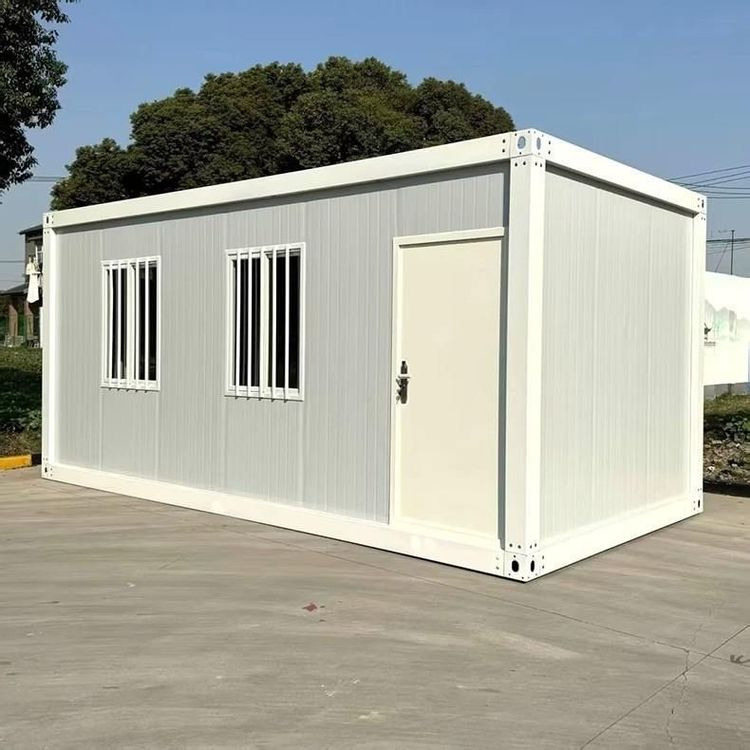
Mobile public toilets typically consist of multiple parts. The fecal sewage storage tank (or fecal sewage treatment device) is a crucial component, used to collect and treat fecal sewage to ensure no environmental pollution; the floor should have anti-slip and easy-to-clean properties to ensure the safety and hygiene of users; sanitary fixtures such as toilets and squat pans should conform to ergonomic principles to facilitate use by different groups of people; walls should serve as partitions and protect privacy, while possibly having certain thermal insulation and sound insulation properties; washing facilities, including sinks, should ensure smooth water flow for easy cleaning by users; water tanks are used to store flushing water, and their capacity should be reasonably designed according to the frequency and scale of toilet use; the roof should be able to withstand wind and rain to prevent rainwater from entering the toilet interior; and the mobile device determines the transportation and installation methods of the toilet.
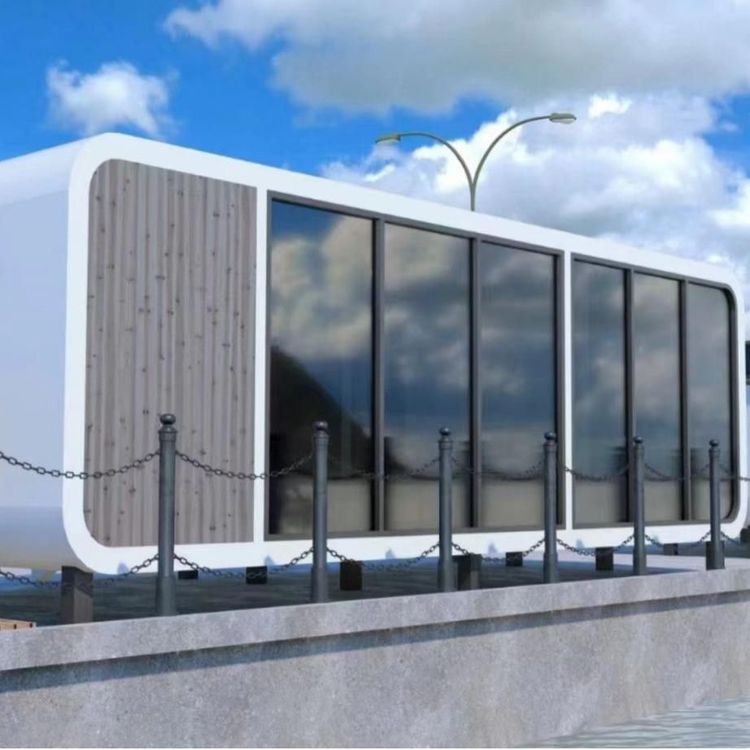
In terms of structural form, mobile public toilets can be divided into single-structure mobile toilets and composite-structure mobile toilets. Single-structure mobile toilets are relatively independent, with a simple structure, making them easy to move and install; composite-structure mobile toilets are composed of multiple single units, with more complete functions, and can meet the usage needs of more people.
According to the method of movement, there are hoisting and handling-type mobile toilets, which are usually smaller in size and can be transported using equipment such as cranes; powered and towed-type mobile toilets have their own power systems or can be towed by vehicles, making movement more flexible and convenient.
In terms of sewage treatment methods, mobile toilets can be divided into water-flush and waterless-flush suction-type mobile toilets. Water-flush types can better maintain toilet cleanliness but require an adequate water supply; waterless-flush suction types use suction equipment to extract and treat fecal sewage; circulating water-flush mobile toilets can recycle flushing water to conserve water resources; dry-packing mobile toilets use special packaging materials to pack feces, requiring no water.
Mobile public toilets have the advantages of being movable, combinable, and easy to transport, allowing them to be conveniently transported to any location where toilets need to be installed and can be used repeatedly. For more specific mobile public toilet standards, it is recommended to consult relevant industry standards or regulatory documents.