
Mobile Public Toilet Specifications
The specifications of mobile public toilets cover multiple aspects such as dimensions, structural materials, structural forms, mobility methods, and sewage treatment methods, as detailed below:
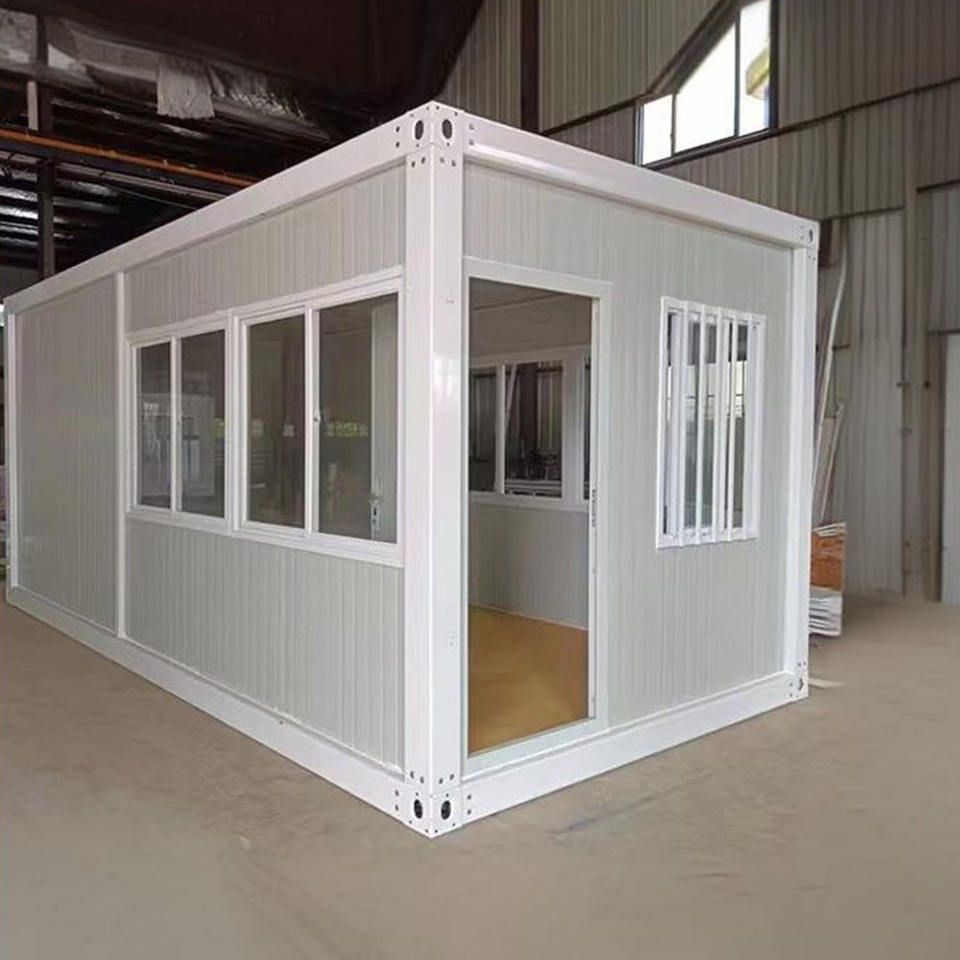
Dimensions:
Single-occupancy mobile toilets typically have lengths ranging from 1.1 to 1.5 meters, widths from 1 to 1.2 meters, and heights starting at 2.2 meters. For example, the commonly used PT-280 model on construction sites measures 1 meter by 1 meter, suitable for temporary locations with limited space. Multi-occupancy mobile toilets vary significantly in size based on functional requirements, with double-occupancy models reaching lengths of up to 6.8 meters, and prefabricated mobile restrooms measuring up to 2.5 meters by 6.5 meters, which can be divided into multiple independent spaces to meet high-traffic demands. Accessible toilets must prioritize wheelchair access, with door widths complying with accessibility design standards to ensure safe entry and exit for users.
Structural Materials:
The frame is welded using national standard steel, with channel steel or I-beams typically used at the base to enhance load-bearing capacity, and square steel for columns to ensure structural stability. The surface covering materials must possess corrosion and fire resistance properties, with common options including color-coated steel plates, fiberglass-reinforced plastic, stainless steel, and metal carved panels. These materials not only extend the service life (up to over 20 years) but also adapt to different climatic conditions. For instance, metal carved panels combine aesthetics with weather resistance, making them suitable for scenic spots with high appearance requirements.
Structural Forms:
They are divided into two categories: single-unit and composite structures. Single-unit mobile toilets are independent units, facilitating rapid deployment and suitable for temporary events or emergency scenarios. Composite structures, on the other hand, are composed of multiple functional modules, such as integrating management rooms, accessible rooms, and standard toilet stalls, making them suitable for long-term use in public places like transportation hubs or commercial districts.
Mobility Methods:
Based on transportation needs, they are classified into hoisting, handling, powered, and towing types. Hoisting types rely on lifting equipment for overall transportation, suitable for repeated use at fixed locations. Handling types are moved manually or with small machinery, suitable for short-distance adjustments. Powered types are equipped with engines or motors, enabling autonomous travel to target locations. Towing types are connected via a牵引车 (towing vehicle), suitable for cross-regional transportation, such as temporary deployments at large events like music festivals.
Sewage Treatment Methods:
Water-flush types use municipal sewage networks or storage tanks for flushing, requiring配套 (supporting) septic tanks or sewage collection devices. Waterless suction types utilize negative pressure to collect waste, which is periodically transported for treatment, suitable for water-scarce areas. Recirculating water-flush types purify sewage through biological degradation or membrane filtration technology, enabling water reuse. Dry-pack types use biodegradable bags to store waste, eliminating the need for water sources, suitable for arid regions or scenarios with strict environmental requirements.



